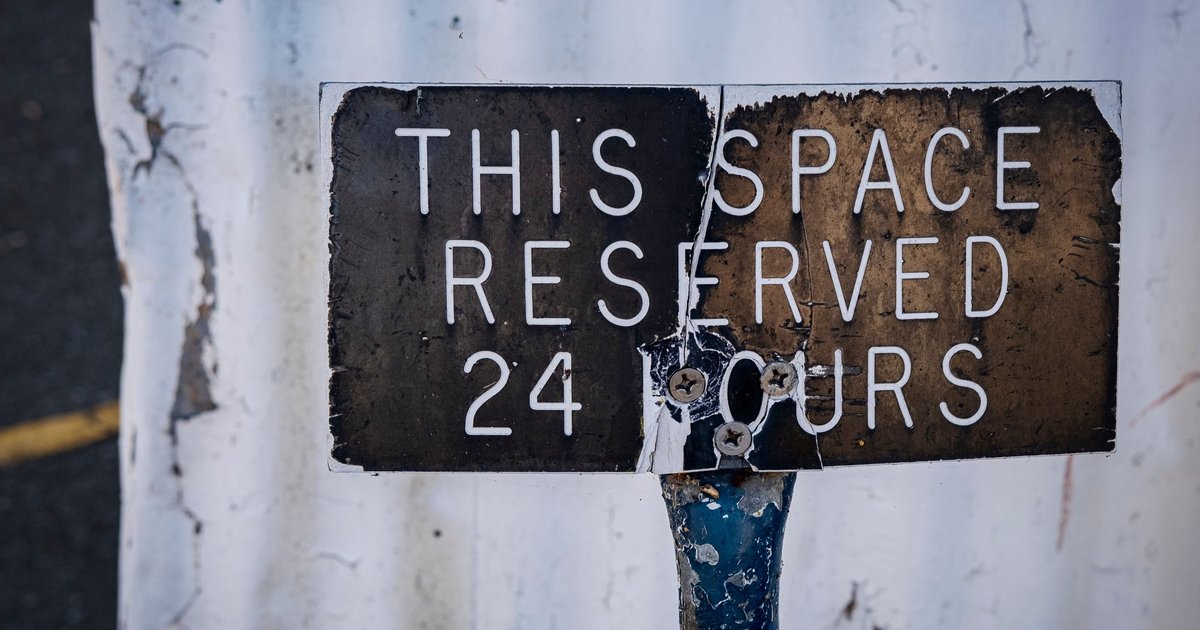
If someone parked in your spot, make sure the space is really yours, take a photo, and tell whoever manages the lot, such as your landlord, HOA or employer. They usually decide whether a car can be towed, so it's rarely your call alone. Then park somewhere legal and let them know where, so your own car doesn't become the next problem.
What to do when someone is in your parking spot
- Double-check the spot. Compare the number or sign with your lease or permit. Mix-ups are common, especially with new neighbors and repainted lots.
- Look for a simple explanation. A visitor, a movers' van or a neighbor who misread the number can often be sorted out with a knock on a door.
- Take a dated photo. Show the car, its plate and the spot number or sign in the same picture.
- Tell whoever manages the lot. Call or email your landlord, HOA, building manager or employer, and include the photo.
- Try to reach the driver. Leave a polite note, or leave a message by license plate.
- Park legally in the meantime. Ask the manager where you can park, and get the answer in writing if you can.
What you can and can't do
A reserved spot gives you a right to use the space, but usually not a right to deal with the other car yourself.
You generally can:
- Report the car to the property manager or HOA.
- Leave a polite note under the wiper.
- Ask for the lease or HOA rules on assigned parking.
- Keep a record of dates, photos and who you told.
You generally shouldn't:
- Box the car in, which can trap someone and may put you in the wrong.
- Touch, move or damage the car, or use stickers and glue on it.
- Call a tow company yourself, unless you have the authority to do so.
- Take another resident's spot, which simply passes the problem along.
Who's in charge depends on where you park
- Apartment or condo lot: your landlord, property manager or HOA is usually the one to contact. See what to do about illegal parking in an apartment complex.
- Office or campus lot: go to your facilities or security team.
- Paid or rented space: contact the garage or lot operator, and keep your receipt or contract handy.
- Public street: no one owns a space on a public street, unless signs or a permit program say otherwise. If you've been saving "your" spot in front of your house, this one may simply be a neighbor conversation.
- Your own property: ask local enforcement what's allowed before arranging a tow, and read our guide to illegal parking on private property.
Can the car be towed from my spot?
Often yes, if the right person asks for it and local rules are followed. Those rules are set by states and cities, and they can cover who may authorize a tow and what signs must be posted. Texas is one example: its towing consumer guide explains how tows from private lots work there.
Ask your property manager whether signs are posted and which tow company they use. For the wider picture, read when and how vehicles get towed.
A note you can copy
Assume it was an honest mistake. A friendly first note gets better results than an angry one:
Hi, this is my assigned spot, number 12. It may have been a simple mix-up, but could you please park elsewhere from now on? I've let the building manager know. Thanks!
If it keeps happening
- Keep a log. Write down each date and time, with a photo.
- Put it in writing. Email your manager or HOA with your log, and ask what they'll do next.
- Ask for clearer markings. Repainted numbers or a sign can end many honest mistakes.
- Check your lease or HOA rules. They may say what you're entitled to and how disputes are handled. If you're still stuck, a local tenant organization may be able to help.
For the everyday courtesy side of shared parking, see our guide to parking etiquette.
How to reach the driver by license plate
You can't legally get a car owner's name or address from a plate over a parking dispute, but you can leave them a message:
- Go to the license plate lookup, then choose the state and enter the plate number.
- Explain the problem politely, without personal details such as your unit number.
- Owners who have claimed or follow that plate get an alert.
Our guide on how to contact a vehicle owner covers other options.
FAQ
Can I block in a car that's parked in my spot?
Please don't. Blocking the car stops it from leaving, which is the opposite of what you want, and it can trap someone in an emergency or put you in the wrong under local rules. Report it to whoever manages the lot and take a dated photo instead.
Can I park in someone else's spot if mine is taken?
Not without permission, since that could get your car ticketed or towed and pass the problem to a neighbor. Ask your property manager where to park, or use visitor parking if the rules allow. Getting that answer in writing protects you if anyone questions your car later.
Who pays if the car is towed?
The car's owner usually pays the towing and storage fees for a valid tow from private property. A tow that doesn't follow local rules is a different story, and whoever authorized it could face a dispute. That's why it's best to go through your property manager or local enforcement.
Is the spot in front of my house mine?
Usually not. On a public street, a curbside space is generally open to anyone, unless signs or a residential permit program say otherwise. It's still fair to talk with a neighbor who parks there for days. For more, see our guide to parking etiquette.
Next steps
Having a different problem? Here's what to do when someone is blocking your driveway or when someone hits your parked car. Want your neighbors to be able to reach you, too? A QR code sticker for your car makes it easy.