What Counts as Illegal Parking?
Before a vehicle can be towed, it usually has to be parked in violation of a specific law or posted rule. Common examples of illegal parking include:
- Blocking a private driveway or garage entrance
- Parking in a fire lane or within 15 feet of a hydrant
- Occupying a handicap-accessible space without proper plates or a placard
- Parking in a designated tow-away zone
- Blocking a crosswalk, sidewalk, or bike lane
- Parking on private property without permission
- Leaving a vehicle in a street-sweeping zone during posted hours
Not every violation leads to towing. A parking ticket is often the first response, and towing typically kicks in when the vehicle creates a hazard, blocks access, or has racked up unpaid citations.
When Illegal Parking Towing Is Allowed
Towing laws vary significantly by state and city, but there are patterns worth knowing.
Private Property Towing
If a car is parked on your private property without permission, you generally have the right to have it towed at the owner's expense. Most states require the property to have visible signage warning that unauthorized vehicles will be towed. In Texas, for example, the Texas Towing and Booting Act requires clearly posted signs at every entrance before a nonconsent tow can happen.
Public Street Towing
On public roads, only law enforcement or authorized city contractors can order a tow. Reasons include blocking traffic, expired registration for a certain number of days, or accumulating multiple unpaid tickets. California, for instance, allows towing after five or more unpaid parking citations.
Apartment and HOA Complexes
Many apartment complexes and HOAs contract with towing companies to enforce visitor rules, permit parking, and no-parking zones. Residents are usually notified through their lease or community rules.
How to Report Illegal Parking and Request a Tow
If you're dealing with someone parked illegally, follow these steps:
- Document the violation. Take clear photos showing the license plate, the vehicle's position, and any signs or markings that prove the violation.
- Try to contact the owner first. A quick message often resolves the issue faster than a tow, especially in shared driveways or apartment lots.
- Call the right authority. For public streets, contact your city's non-emergency police line or parking enforcement. For private property, call the towing company your property uses.
- Provide details. You'll typically need the license plate number, make, model, color, exact location, and photos.
- Wait for confirmation. Officers or tow operators must verify the violation before removing the vehicle.
State-Specific Notes on Towing
License plate laws and towing rules aren't uniform. A few examples:
- Florida: Towing companies must accept cash and credit card payments, and vehicles can only be moved to storage lots within a limited distance.
- New York City: The city runs its own tow operations and posts recovered vehicles in an online database.
- California: Owners have the right to reclaim personal belongings from a towed vehicle within business hours, even if they can't pay the full tow fee immediately.
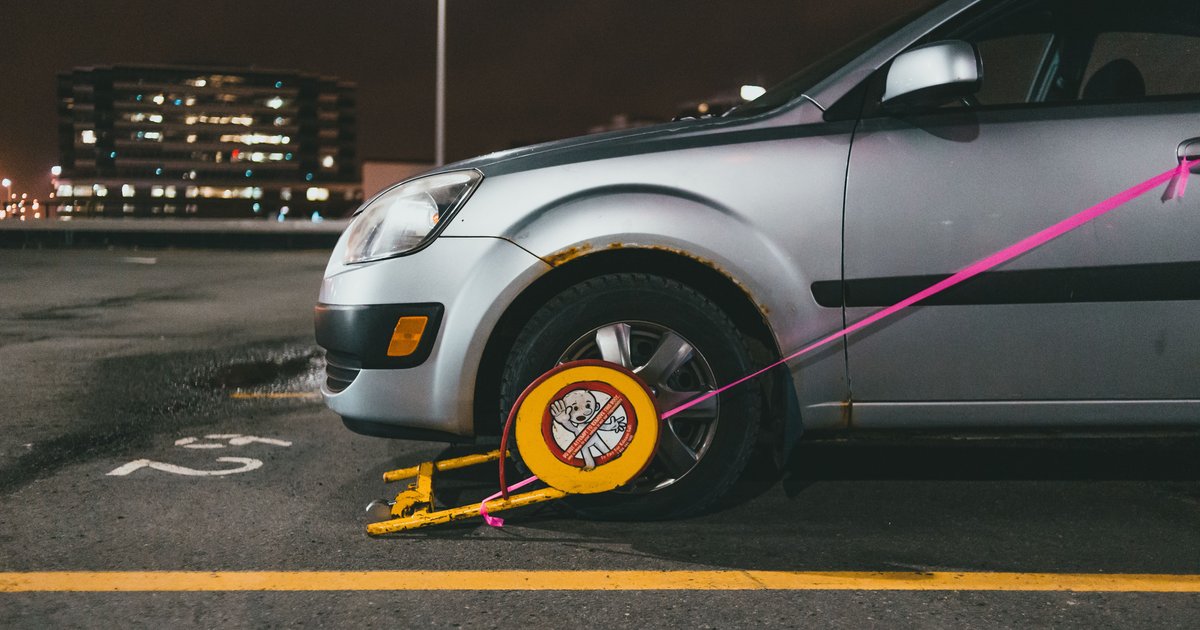
- Illinois: Chicago's booting program often precedes towing for repeat parking offenders.
Always check your local municipal code before making assumptions.
What If You Can't Reach the Owner?
Sometimes calling a tow feels like overkill—especially if the driver just made an honest mistake. In those cases, a quick message to the owner can save everyone time, money, and frustration. Abandoned vehicles are another gray area: if a car sits untouched for days, most cities require you to report it to police rather than tow it yourself.
FAQ: Illegal Parking Towing
Can I tow a car blocking my driveway myself?
No. You must call a licensed towing company or the police. Moving the vehicle yourself can expose you to liability for damage.
How long can a car be parked in front of my house?
On a public street, there's usually no limit unless local ordinances specify one (often 72 hours). On your driveway or lawn, it's trespassing immediately.
Who pays for the tow?
The vehicle owner pays all towing and storage fees when the tow is due to illegal parking.
Can I look up who owns the car?
Private citizens can't access DMV records directly, but you can use a license plate lookup service to leave a message for the owner.
How PlateQuery Can Help
Before you escalate to a tow, try reaching the driver. With PlateQuery, you can look up a license plate and leave a message for the vehicle owner about a parking issue, blocked driveway, or unsafe parking situation. It's a faster, friendlier first step—and if the owner doesn't respond, you'll still have documentation for when you do call the tow truck.