What Counts as Illegal Parking in an Apartment Complex?
Apartment complexes are private property, which means the rules are set by the property owner or HOA, not the city. That gives management more flexibility to enforce parking policies. Common examples of illegal parking in an apartment complex include:
- Parking in a reserved or assigned space that belongs to another tenant
- Blocking a fire lane, dumpster, or garage entrance
- Taking up two spaces in a crowded lot
- Parking in a handicap spot without a valid placard
- Leaving a vehicle in guest parking for days or weeks at a time
- Storing an unregistered, expired, or clearly abandoned vehicle on the property
Because the lot is private, most local police departments will not respond unless there's a safety issue, an accident, or a handicap violation. That's why most enforcement runs through the property manager and a contracted tow company.
Steps to Take When Someone Parks Illegally
1. Document the Violation
Before doing anything else, take clear photos showing the vehicle, the violation, and the license plate. Capture timestamps if possible. If the car has been in guest parking for a week, take dated photos from different days to build a record.
2. Notify Property Management
Most leases and HOA agreements outline a specific process for reporting parking issues. Email is best because it creates a paper trail. Include the plate number, vehicle description, space number, and photos.
3. Try to Contact the Vehicle Owner
Sometimes the fastest solution is a direct conversation. The driver may not realize they parked in an assigned space, or they may be a visitor unfamiliar with the complex's rules. Using a service like PlateQuery, you can leave a message tied to a license plate so the owner receives a polite heads-up before the situation escalates to towing.
4. Request a Tow if Necessary
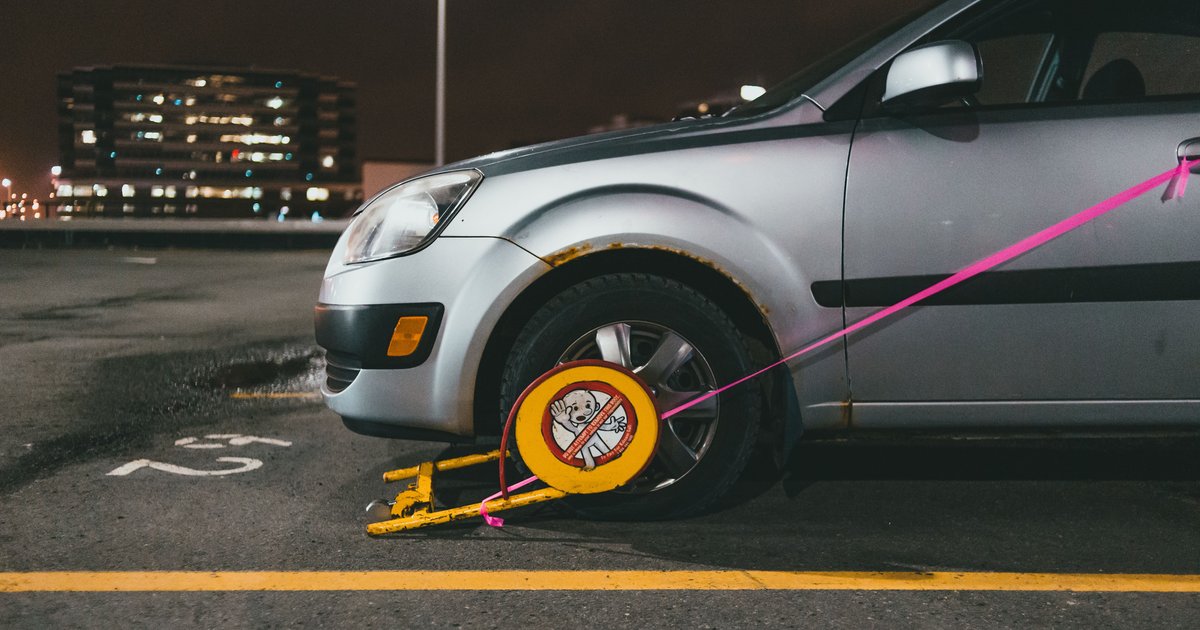
If management authorizes it, a contracted tow company can remove the vehicle. Most states require signage at the property entrance warning that unauthorized vehicles will be towed at the owner's expense.
State-Specific Parking Laws to Know
Private property parking enforcement varies significantly by state:
- California: Under CVC §22658, apartment complexes must post signage at every entrance before towing. Vehicles in fire lanes or blocking access can be towed immediately.
- Texas: Chapter 2308 of the Occupations Code requires the tow company to notify local law enforcement within two hours of towing from private property.
- Florida: Statute 715.07 requires clearly visible signage and prohibits kickbacks between property owners and tow operators.
- New York: Local laws vary heavily by borough, but tenants generally cannot authorize a tow themselves — management must be involved.
Always check your specific state's license plate laws and towing statutes before taking action.
What to Do About Abandoned Vehicles
An abandoned vehicle is different from a temporary parking violation. Warning signs include flat tires, expired registration tags, heavy dust, or a car that hasn't moved in 30+ days. If you suspect a vehicle has been abandoned in your complex, report it to management first. In many states, you can also file a report with local police or the DMV, who can run the plate to check for registration status or theft records.
When to Escalate to a Bad Driver Report
Repeat offenders — the neighbor who always parks in your assigned spot, or the tenant who blocks the dumpster every week — deserve documentation. A written bad driver report or parking complaint filed with management creates a record that can support lease enforcement or fines. If the issue involves reckless driving inside the complex (speeding through the lot, ignoring stop signs), that becomes a safety concern management should address quickly.
Frequently Asked Questions
Can I have a car towed from my assigned spot?
Usually not directly. Most leases require you to contact management, who authorizes the tow. Some states allow tenants to authorize towing for blocked driveways, but assigned parking spots typically go through the property.
What if the illegally parked car doesn't have a license plate?
A missing plate often indicates an abandoned or unregistered vehicle. Report it to management and local police. Most states allow removal of unplated vehicles from private property with minimal notice.
Can I look up who owns the car?
DMV records aren't public, but you can use a license plate lookup tool like PlateQuery to leave a message for the owner without needing their personal information.
How PlateQuery Can Help
Before escalating to a tow or a formal complaint, a simple message often solves the problem. PlateQuery lets you leave a message tied to any license plate — whether it's a standard tag, a vanity plate, or a specialty plate. The owner is notified and can move their vehicle before things get expensive. It's a faster, less confrontational way to resolve illegal parking in your apartment complex while keeping a clear record if the behavior continues.