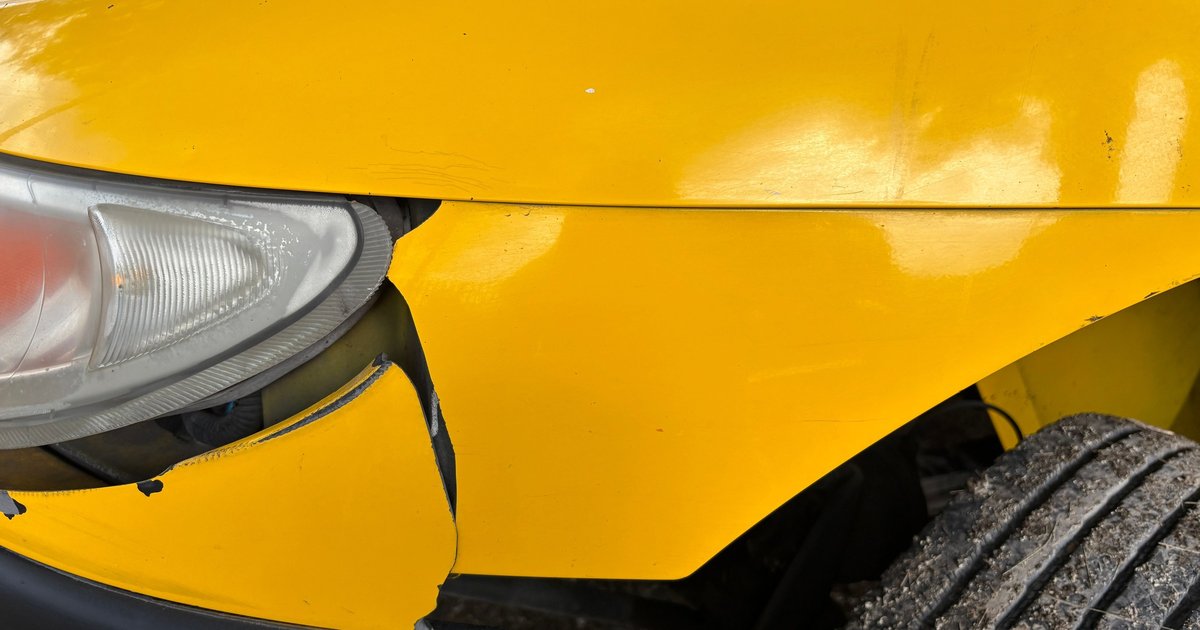
If someone hit your parked car, photograph the damage and the scene, look for a note and witnesses, then report it to the police and your insurer as soon as you can. Acting quickly matters, because camera footage can be overwritten and memories fade. This guide walks you through each step, including what to do if the other driver left no information.
What to do when someone hits your parked car
- Check that it's safe. Stay out of traffic. If anyone is hurt, or the car is leaking fluid, call 911.
- Photograph everything before you move the car. Take close-ups of the damage and wider shots of where the car is parked. Include any paint transfer, broken pieces and nearby signs.
- Look for a note. Check under your wipers and in the door handle, and keep any note you find.
- Look for witnesses and cameras. Ask nearby shops, neighbors and parking attendants. Ask soon, since security footage may not be kept for long.
- Report it to the police. Your local rules decide whether a report is required, but it can help your claim either way. The National Association of Insurance Commissioners suggests filing an incident report if no officer comes out.
- Call your insurer. Tell them what happened and share your photos and report number. The Insurance Information Institute explains why an official report and prompt details matter.
If the other driver left a note
Photograph the note where you found it, then keep the original. Contact the driver and ask for their insurance details, and share only what you need to. A note doesn't replace a report if your local rules call for one, so check before you agree to settle anything privately.
Get any offer to pay for repairs in writing, and find out what the repair will cost before you accept. Damage can be worse than it looks from the outside.
If the driver left without a note
A driver who hits a parked car is generally expected to find the owner or leave their contact details. The California Driver Handbook is a good example of what states ask for. If they drove off, the incident may count as a hit and run, so report it promptly.
Policies can set a time limit for reporting a hit and run to the police, so don't wait to see whether the driver comes forward. Your insurer can tell you what your policy requires.
Will insurance pay for it?
It depends on your coverage and your state. Damage from an unknown driver is often handled under collision coverage, and your deductible may apply. Some states and policies also offer uninsured motorist property damage coverage. Ask your insurer these questions before you decide on a claim:
- Which part of my policy covers this?
- What's my deductible, and is the repair likely to cost more than that?
- Could this claim affect my rate?
- What do you need from me, and by when?
If the other driver is identified, their insurer may be responsible for the damage. Let your insurer handle that conversation with them.
If you have the other car's license plate
Give the plate number to the police and your insurer. They can act on it in ways you can't. As a member of the public, you can't legally get the owner's name or address from a plate, because DMV records are protected.
Don't follow the car or go looking for the driver. You can leave a calm message for them by plate if you'd like to give them the chance to get in touch, but it doesn't replace a police report:
- Go to the license plate lookup, then choose the state and enter the plate.
- Stick to the facts, such as the date and general location. Don't accuse anyone, and leave out personal details.
- Owners who have claimed or follow that plate get an alert.
If you saw someone hit a parked car
You could save a stranger a big repair bill. Stay safe and don't confront the driver, then note the plate, make, color, time and place. Leave a note on the damaged car with what you saw. You can also leave a message on the damaged car's plate so the owner has a second way to find it.
If you're the one who hit a parked car
Stay and try to find the owner. If you can't, leave your name and contact details in a note that's firmly attached to the car, then report it if your local rules require it, and call your insurer. A message by plate can be a helpful extra, but it doesn't replace these steps. Our parking etiquette guide has more on owning up.
FAQ
Do I have to report a small dent?
It depends on your local rules and the amount of damage. Reporting thresholds differ by state, so check with your local police or DMV. Even when a report isn't required, one can help if you decide to make an insurance claim later or the damage turns out worse than expected.
How long do I have to file a claim?
It varies by state and by insurer, and some policies have a separate time limit for reporting a hit and run to the police. Your safest move is to contact the police and your insurer as soon as you can, and to ask your insurer exactly what deadlines apply to you.
Can PlateQuery tell me who hit my car?
No. PlateQuery never shows an owner's name or address. If you have the plate number, give it to the police and your insurer, since they can act on it. You can also leave a message for the owner by plate, and owners who have claimed or follow it get an alert.
Should I fix the car before I talk to my insurer?
It's usually better to wait. Your insurer may want to see the damage or photos of it first, and early repairs could make a claim harder to support. If something needs fixing right away to keep the car safe to drive, document it first and tell your insurer.
Next steps
Dealing with another parking problem? Here's what to do when someone is blocking your driveway or when someone parks in your spot. To give future witnesses an easy way to reach you, print a QR code sticker for your car.