What Counts as Illegal Parking on Private Property?
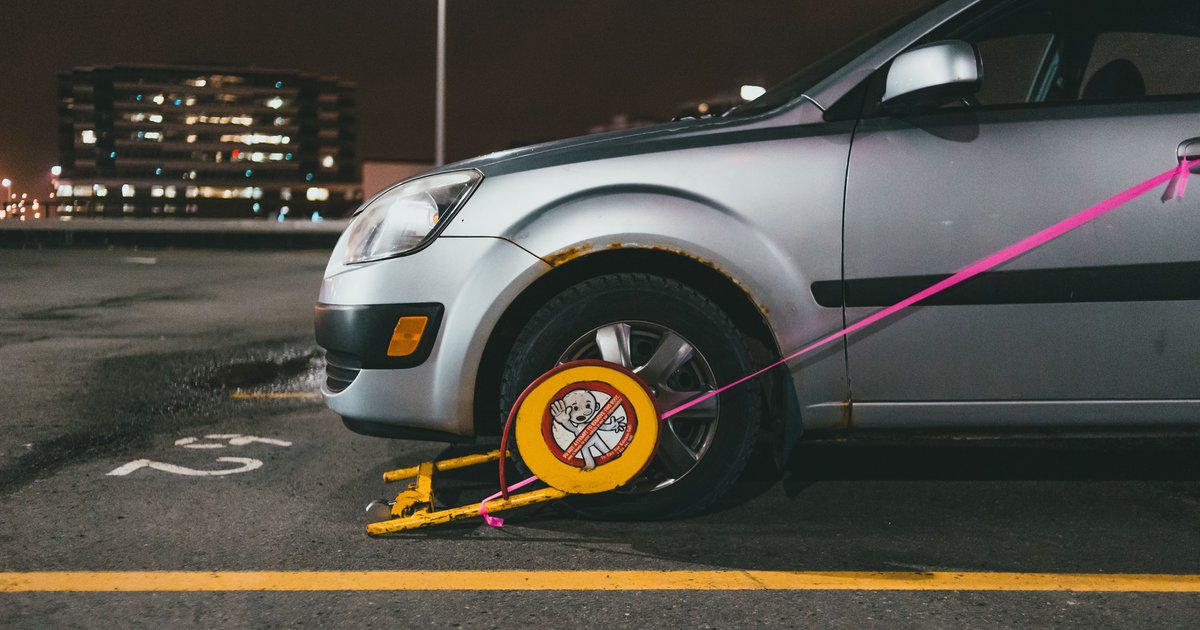
Illegal parking on private property happens when a vehicle is left on land the driver doesn't own or have permission to use. This includes private driveways, posted parking lots, apartment complexes, business properties, and even unmarked private land where parking isn't authorized.
Common examples include:
- A neighbor parking in your driveway without permission
- A stranger using your reserved apartment spot
- Customers from a nearby business filling up a private lot
- Vehicles blocking access to a garage, fire lane, or dumpster
- An abandoned vehicle left for days or weeks on private land
Unlike illegal parking on public streets, which is enforced by police or city parking authorities, illegal parking on private property is usually the responsibility of the property owner or manager to address.
Your Rights as a Property Owner
In most U.S. states, private property owners have broad authority over who parks on their land. You typically have the right to:
- Request the vehicle be moved by contacting the driver or vehicle owner
- Have the vehicle towed at the owner's expense, often without warning if signage is properly posted
- File a trespassing complaint with local law enforcement in repeat or hostile situations
However, the rules vary by state. For instance, California requires clearly posted signs at every entrance before non-consensual towing from private lots. Texas mandates a specific sign size, language, and tow company phone number. Florida requires signs at least 18" x 24" with specific wording at private parking areas.
Always check your state and city's license plate laws and towing regulations before taking action — improper towing can expose you to liability.
Steps to Take When Someone Parks Illegally on Your Property
1. Document the Vehicle
Take clear photos of the vehicle, the license plate, the location, and any signage. Note the date and time. This protects you legally and creates a record if the situation escalates.
2. Try to Contact the Vehicle Owner First
Before calling a tow truck, it's often faster and friendlier to reach the driver directly. Many disputes resolve in minutes once the owner knows their car is causing a problem. A license plate lookup tool can help you contact a vehicle owner without confrontation — especially useful when the driver isn't around.
3. Post or Verify Your Signage
If you regularly experience illegal parking, install clear "Private Property — No Parking" or "Tow Away Zone" signs that comply with your state law. Without proper signs, tow companies in most states will refuse the job.
4. Call a Licensed Tow Company
If the vehicle remains and contact attempts fail, call a tow operator licensed for private property impounds. Keep documentation of every step.
5. Report Abandoned Vehicles
If a vehicle has been sitting for more than 48–72 hours (varies by state), it may qualify as an abandoned vehicle. Local police or your DMV can run the plate, notify the owner, and arrange removal.
What About Apartment Complexes and HOAs?
If you live in a managed community, illegal parking is usually handled by the property manager or HOA, not individual residents. Most communities have a designated tow company and parking policy. Report violators through the proper channels rather than confronting drivers yourself. Bad driver reports and parking complaints often go further when filed in writing with photos attached.
When to Involve Law Enforcement
Police generally won't ticket a car on private property, but they will respond to:
- Trespassing after the owner has been warned
- Vehicles blocking emergency access
- Suspected stolen or abandoned vehicles
- Threats or harassment during a parking dispute
Frequently Asked Questions
Can I tow a car off my private property without warning?
In most states, yes — if your property has proper tow-away signage posted at every entrance. Without signs, you typically must attempt to notify the owner first.
Can I block in a car that's parked illegally on my property?
No. Blocking someone in can expose you to civil liability, false imprisonment claims, or damage charges. Always use legal channels.
What if the vehicle has vanity plates or specialty plates I can identify?
Distinctive vanity plates or specialty plates make it easier to identify the owner through a license plate lookup. This can speed up a friendly resolution.
How long before a car is considered abandoned?
Most states define abandonment as 48 to 72 hours on private property without permission, but rules vary. Check your state's vehicle code.
How PlateQuery Can Help
Confronting a stranger about illegal parking is stressful — and often unnecessary. With PlateQuery, you can look up a license plate, leave a message tied to the plate, or report a parking issue that the vehicle owner can see when they claim their plate profile. It's a low-conflict way to contact a vehicle owner, document the incident, and resolve the problem before towing becomes necessary. Whether you're a homeowner, business operator, or property manager, PlateQuery gives you a faster, friendlier path to handling illegal parking on private property.