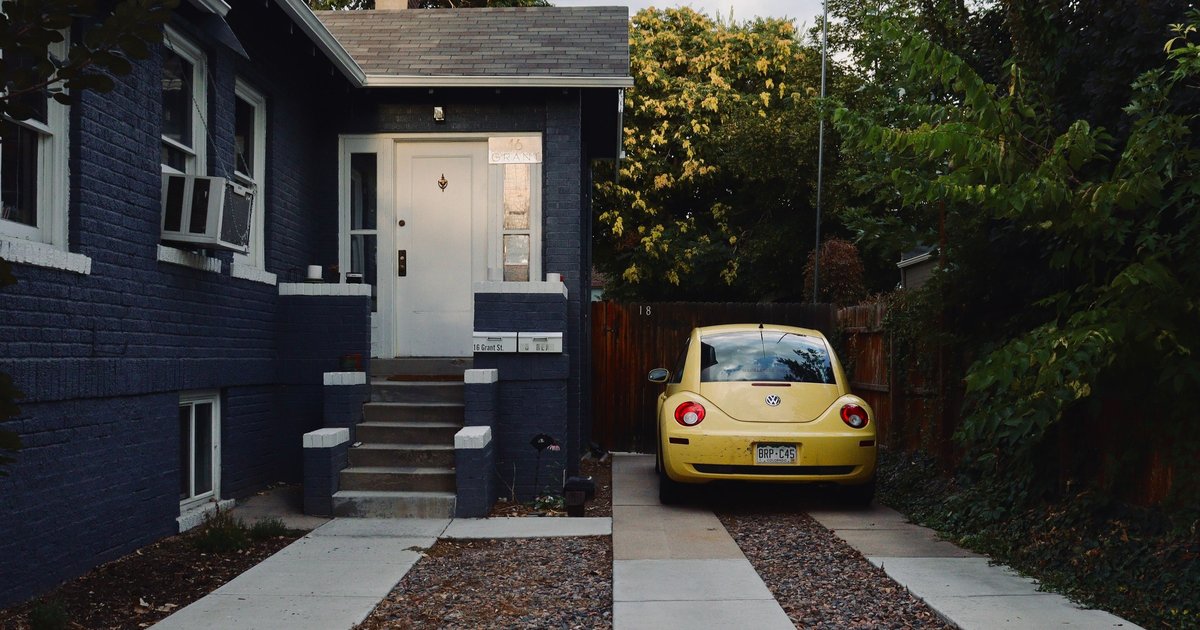
If someone is blocking your driveway, first check whether the driver is nearby, then take a photo and call your city's parking enforcement line or 311. Don't touch the car or box it in. Most blocked driveways end with a short wait or a quick call, and the steps below will help you get moving with the least conflict.
What to do when a car is blocking your driveway
- Look for the driver. Give it a few minutes. It may be a delivery driver or a neighbor's guest, and a quick knock next door can solve it.
- Take photos. Capture the whole car, the plate and your driveway in one shot, so the photo shows how you're blocked. Your phone records the date and time.
- Try to reach the driver. Tuck a polite note under the wiper, or leave a message by license plate if you don't know who owns the car.
- Call the right local number. Have the car's make, color, plate number and your address ready. The next section covers who to call.
- Ask what happens next. The person you reach can tell you whether an officer will come out and whether the car can be ticketed or towed.
Who to call about a blocked driveway
There is no national number for this, and the right line depends on where you live. Start with these:
- Your city's 311 or parking enforcement line. This is the usual route in larger cities. See how it works in San Francisco, New York City and Chicago.
- The police non-emergency number. Use this if your town has no 311 or parking office.
- Your property manager or HOA. If the driveway is in an apartment complex or a private community, they may control towing. See your options for illegal parking on private property.
- 911 for a real emergency. If a blocked car is stopping someone from getting urgent medical care, say so and call right away. A few cities also send some driveway reports through 911, as New York's page explains, so check your local guidance.
What not to do
A blocked driveway is frustrating, especially when you're late. These moves tend to make things worse:
- Don't touch the car. Pushing, moving or damaging it can make you the one who's liable.
- Don't block it in. Boxing in the car only delays the moment it leaves, and it can start a bigger dispute.
- Don't call a tow truck on your own before you check. Towing rules vary, and a tow without the proper authority can leave you responsible for the costs. Ask local enforcement first.
- Don't use glue, tape or stickers on the car. A note under a wiper does the job without any damage.
- Don't confront an angry driver. If things get heated, step away and let enforcement handle it.
A note you can copy
Keep it short and friendly, and leave out your name and phone number if you'd rather not share them:
Hi, your car is blocking my driveway and I need to leave by 5 p.m. Could you please move it? I'll call parking enforcement if it's still here then. Thank you!
What counts as blocking a driveway?
The clearest case is a car parked across the opening so you can't get in or out. Cars that only overhang the curb cut are less clear-cut, and cities treat them differently. If you can't safely get your car through, it's worth calling and letting enforcement decide.
Exact rules, including how much clearance a driveway must have, are set locally. Your city's parking pages or 311 line will have the version that applies to you.
If the same car keeps blocking your driveway
- Talk to the neighbor first, if you know whose car or guest it is. Many drivers don't realize they're in the way.
- Keep a simple log with dates and photos, in case you need to show a pattern.
- Add a clear sign if your city or HOA allows it. It works as a reminder, though it doesn't change the rules on its own.
- Report every time. Enforcement can only act on what it knows about.
Our guide to parking etiquette covers the neighborly side of this, including how to raise it without starting a feud.
How to contact the driver by license plate
You can't legally get a car owner's name or address from a plate just because they blocked you, since DMV records are protected by federal privacy law. You can still reach them:
- Go to the license plate lookup, then choose the state and enter the plate number.
- Leave a short, polite message saying what's wrong and where. Leave out personal details.
- Owners who have claimed or follow that plate get an alert.
For more ways to get in touch, read our guide on how to contact a vehicle owner. If you need to leave now, call local enforcement as well.
FAQ
Can I have a car towed for blocking my driveway?
Often, but not usually on your own. In many cities, enforcement decides after you report it, so call 311, parking enforcement or the police non-emergency line and ask. If you're in an apartment complex or HOA, the property manager may be the one who can authorize a tow.
Can I block in a car that blocked my driveway?
It's best not to. Blocking the car in can stop it from leaving, escalate the dispute and create a parking problem of your own. Take photos, try to reach the driver and report it instead. Getting the car moved is the goal, and enforcement can help with that.
Can I find out who owns the car from its plate?
Generally not. A parking dispute isn't a qualifying reason to access DMV records, which are protected by federal privacy law. Enforcement can act on the plate number when you report it, and you can leave a message for the owner by license plate without seeing any personal details.
Is it OK to park across my own driveway?
It depends on where you live. Some cities treat any car across a driveway as a violation, even if it belongs to the homeowner, because of the sidewalk or curb rules. Others are more relaxed. Check your city's parking rules before you make it a habit.
Next steps
If the problem isn't your driveway, see what to do when someone parks in your spot or when someone hits your parked car. Worried about being on the other end of this? A QR code sticker for your car lets people reach you without your phone number.