What Is a Hood Ornament, Exactly?
A hood ornament — sometimes called a mascot, motometer, or bonnet ornament — is a small emblem or figure mounted at the front of a car's hood, usually directly over the radiator. In the early 1900s, they started out as functional radiator caps with built-in temperature gauges, then quickly evolved into brand statements. By the 1920s and '30s, they were the most visible piece of jewelry a car could wear, hand-sculpted from bronze, chrome, or crystal.
The core hood ornament meaning is identity. Just like a family crest or a ship's figurehead, the ornament told anyone approaching the car exactly who made it, and by extension, something about who was driving it. Rolls-Royce, Cadillac, Jaguar, Mercedes-Benz, Packard, and Lincoln all leaned heavily on their ornaments as shorthand for prestige.
The Meaning Behind the Most Famous Hood Ornaments
Every iconic ornament carries its own story. Here are the ones people ask about most:
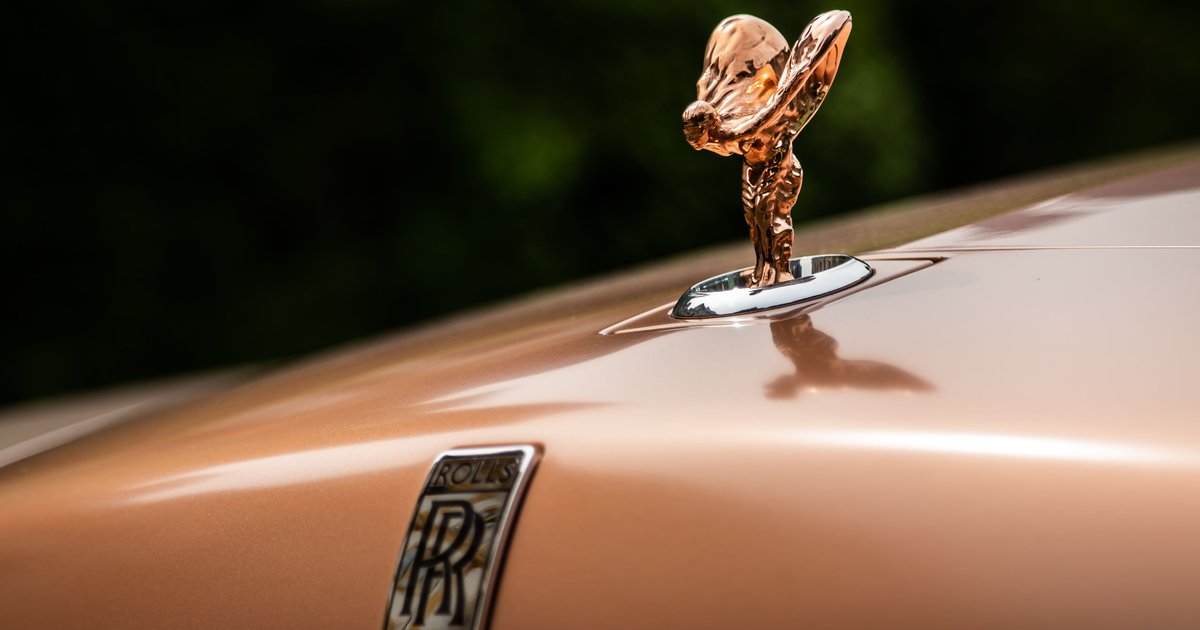
- Rolls-Royce Spirit of Ecstasy — Designed by Charles Sykes in 1911, she represents grace, silence, and forward motion. The figure was inspired by Eleanor Thornton, the secret love of a Rolls executive. Today she retracts into the hood if bumped, both to prevent theft and to protect pedestrians.
- Mercedes-Benz three-pointed star — The three points symbolize the company's ambition to dominate on land, sea, and air. Gottlieb Daimler sketched it on a postcard to his wife in the 1870s.
- Jaguar Leaper — A stretched-out big cat mid-pounce, symbolizing speed and predatory grace. It's been effectively banned on new cars in the EU since the early 2000s pedestrian-safety rules, which is why you rarely see it factory-installed anymore.
- Cadillac Goddess (Flying Lady) — Used from 1930 to 1956, she signaled American Art Deco luxury.
- Packard Cormorant / Pelican — Drawn from the family crest of the Packard family, it linked the brand to old-world heraldry.
- Bentley Flying B — A stylized winged 'B' representing performance with restraint.
Why Hood Ornaments Started Disappearing
If you've noticed newer cars don't wear them anymore, there's a real reason. Beginning in the 1970s, the U.S. National Highway Traffic Safety Administration (NHTSA) began pressuring manufacturers over pedestrian injury risk from rigid hood-mounted objects. The bigger blow came in 2005, when the European Union's Directive 2003/102/EC took effect, setting pedestrian head-impact standards that essentially outlawed non-retractable ornaments on new vehicles sold in Europe.
Add in a wave of ornament thefts in the 1980s (a chrome Rolls emblem was a status trophy for a certain type of teenager), plus aerodynamic priorities in modern car design, and the sculpture on the nose became a badge glued flat to the grille. Rolls-Royce is one of the few holdouts, and they only get away with it because the Spirit of Ecstasy now drops into the hood at the slightest touch.
Hood Ornaments as Personal Expression
Once factory ornaments faded, aftermarket ones filled the gap — and they're where the meaning gets really personal. Truckers have bolted chrome bulldogs, eagles, naked-lady silhouettes, and skulls to their rigs for decades. Lowrider culture embraced ornate hood mascots as part of a broader tradition of turning a car into a rolling autobiography. Custom builders still commission one-off ornaments in bronze or 3D-printed steel.
In that sense, a modern hood ornament plays the same role as a vanity plate: a small, deliberate choice that tells the world something you want them to know about you. A skull says one thing. A cross says another. A tiny rubber duck (a whole subculture on Jeeps) says something else entirely. Whether it's an ornament or a custom plate, drivers have always found ways to personalize the front of the car.
Are Hood Ornaments Legal? State Rules to Know
Most U.S. states don't ban hood ornaments outright, but they can be regulated under general vehicle-equipment or obstruction-of-view statutes. A few concrete examples:
- California — Vehicle Code § 27600 requires that fenders or devices cover the wheels, but there's no specific ban on hood ornaments. However, CVC § 26708 restricts anything that obstructs the driver's forward view, so a tall custom ornament could theoretically draw a citation.
- New York — Vehicle & Traffic Law § 375 governs equipment standards. NYC additionally prohibits any hood ornament that projects a sharp point capable of injuring a pedestrian, under NYC Traffic Rules § 4-08.
- Texas — No specific statute against ornaments, but Transportation Code § 547.613 restricts objects that materially obstruct the driver's clear view through the windshield.
If you're restoring a classic and reinstalling a factory ornament, you're almost always fine. If you're building something custom and pointy, check your local ordinance first.
Collecting Vintage Hood Ornaments
Vintage ornaments are their own hobby. A genuine 1930s Lalique crystal ornament (yes, the French glassmaker made about 30 different car mascots between 1925 and 1931) can fetch $5,000 to $30,000 at auction depending on model and condition. The 'Victoire' or 'Spirit of the Wind' is the holy grail. Even ordinary chrome ornaments from 1950s American cars regularly sell for $50 to $300 on eBay and at swap meets.
If you're buying, learn to spot reproductions: original pre-war ornaments were usually cast bronze then chrome-plated, with visible mold seams and hand-finished bases. Modern die-cast copies feel lighter and have crisper, machine-perfect edges.
FAQ
What does the Rolls-Royce hood ornament mean?
The Spirit of Ecstasy represents speed, silence, and elegance — a woman leaning forward with her robes flowing behind her like wings. She's been Rolls-Royce's mascot since 1911.
Why did cars stop having hood ornaments?
Pedestrian-safety regulations (particularly EU Directive 2003/102/EC), aerodynamic design priorities, and a wave of thefts in the 1980s all pushed manufacturers to move logos flat onto the grille.
Are hood ornaments illegal in the United States?
Not federally. Most states allow them as long as they don't obstruct the driver's view or create a pedestrian-strike hazard. Check your state's vehicle equipment code before installing anything tall or sharp.
Do hood ornaments increase a car's value?
On a classic car, absolutely — a correct, original ornament can add hundreds or thousands to the value. On a modern car, aftermarket ornaments are cosmetic and don't affect resale.
The Takeaway
A hood ornament is one of the oldest ways drivers have said something about themselves without saying a word — a miniature statue announcing brand, taste, or personality to everyone behind them at the light. Today, that same instinct shows up in personalized license plates and other small customizations. The car is still a canvas; the tools have just changed.
Curious what a particular plate you spotted might mean, or want to see who's behind an interesting car? You can look up any U.S. plate on PlateQuery, leave a message for the owner, or check the public ALPR scan history for that plate. And if it's your own vehicle, you can claim your plate's page for about $1.99/month to keep incoming messages and scan history private — the same way a driver a century ago chose exactly which mascot rode up front.