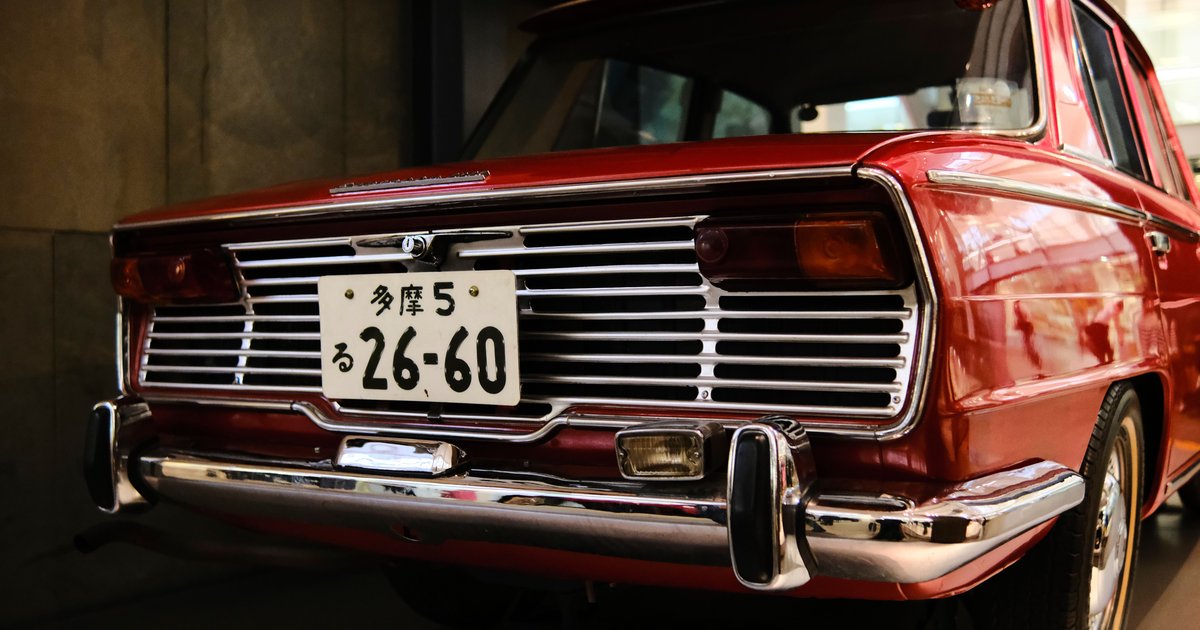
The Straightforward Vanity Plate Definition
A vanity plate — also called a personalized plate or custom plate — is a state-issued license plate where the owner selects the specific characters displayed, subject to length limits and content rules. Instead of the DMV assigning something like 7XKR429, you might request SURFR, MOM OF 4, or DR WHO. The plate is still an official government-issued registration tag; only the character sequence is personalized.
This distinguishes vanity plates from two related categories. Specialty plates feature a custom background or logo (a university, a charity, a branch of the military) but often still use a randomly assigned number. Standard plates use both a state-designed background and a state-assigned combination. A vanity plate can be layered on top of a specialty design in most states, giving you both a custom look and a custom message.
Where the Term Comes From
The word "vanity" here isn't an insult — it's borrowed from the older sense meaning "personal" or "for one's own use," the same way we say vanity press or vanity mirror. The programs took off in the United States in the 1970s and 1980s as states realized drivers would happily pay extra for the privilege of self-expression on their bumper. Today, virtually every U.S. state, Canadian province, and many countries worldwide offer some form of personalized plate program.
How You Actually Get One
The process is almost always the same three steps: check availability, submit your request, and pay a surcharge on top of your regular registration fee. Most DMVs now have an online lookup tool where you can type in your desired combination and instantly see if it's taken or flagged.
Costs vary widely by state. In California, an Environmental License Plate (the state's vanity program, authorized under California Vehicle Code § 5103) costs $103 for the initial year and $88 annually to renew, with proceeds funding environmental protection programs. In Texas, MyPlates.com — the state's authorized vendor — runs personalized plates starting around $70 per year for a basic design, with premium seven-character combinations auctioning for thousands. Florida tacks on a $15 annual personalization fee above the base registration cost. Processing time typically runs 4 to 8 weeks from approval to delivery.
Character Limits and Format Rules
Most states allow between 2 and 7 characters, though a few (like Vermont) permit up to 8. Spaces and hyphens usually count as characters. You generally can't use punctuation beyond a single space or dash, and numbers-only combinations are often reserved or restricted to avoid confusion with standard-issue plates.
Every state also maintains a banned-word list. Combinations that are profane, sexually explicit, racially charged, or reference illegal activity get rejected — and states periodically recall plates that slipped through review. New Hampshire famously had to revise its policy after First Amendment lawsuits over what counted as "offensive." If you want to see how creative drivers get within these rules, our guide to the NIFTY license plate breaks down one of the more clever real-world examples.
Why People Get Vanity Plates
The motivations fall into a handful of buckets:
- Identity and hobbies: initials, nicknames, professions (NURSE, CHEF), or fandoms.
- Cars themselves: the make, model, trim, or a nickname for a beloved vehicle.
- Inside jokes: combinations only close friends or family will decode.
- Business promotion: a company name or phone number on a service vehicle.
- Memorials and dedications: honoring a loved one, a pet, or a milestone.
Because the character count is tight, drivers get inventive with abbreviations, phonetic spellings, and leet-speak substitutions (using 4 for A or 0 for O). It's the same word-puzzle instinct that makes people love games like Connections — squeezing meaning into a small grid.
Vanity Plate vs. Specialty Plate: The Confusion
People mix these up constantly, so it's worth spelling out:
- Vanity plate = you pick the characters.
- Specialty plate = you pick the design or cause (e.g., "Save the Manatee," a university logo, a veterans plate).
- Personalized specialty plate = you pick both — the design and the characters.
Most states let you combine the two, though a few restrict certain specialty designs to randomly issued numbers only. Always check your state's DMV website before you fall in love with a combination.
What Vanity Plates Reveal (and Hide)
Here's an underrated angle: a vanity plate is essentially a tiny public statement bolted to your car. It follows you everywhere, gets photographed by traffic cameras, and — increasingly — gets logged by automated license plate readers (ALPR) operated by law enforcement and private networks. A random plate blends into the noise. A memorable vanity plate like LURKER or YOLO4EVR is instantly recognizable to anyone who sees it twice.
That visibility cuts both ways. It's fun and expressive, but it also means neighbors, coworkers, and strangers may connect your car to your identity faster than they would otherwise. If you're curious about how memorable plates get read and interpreted, our breakdown of what LURKER says on a license plate is a good rabbit hole.
Frequently Asked Questions
Is a vanity plate the same as a personalized plate?
Yes — the two terms are used interchangeably in almost every U.S. state. Some DMVs officially call the program "personalized" (New York, California) while drivers colloquially call the result a "vanity plate."
Can I transfer my vanity plate to a new car?
In most states, yes. You keep the character combination and simply update the registration to reflect the new vehicle, usually for a small transfer fee. The plate belongs to you, not the car.
What happens if my requested combination is rejected?
The DMV notifies you and, in most states, refunds the personalization fee or lets you resubmit a different choice. Some states publish their rejection lists — they're an entertaining read.
Do vanity plates cost more to renew every year?
Yes. The personalization surcharge is almost always annual, not one-time. Budget for it as part of your ongoing registration.
The Takeaway
A vanity plate is more than a novelty — it's a small, permanent, public identifier you're choosing to attach to your vehicle. That makes the definition worth knowing before you spend $80+ a year on one. If you want to go deeper on the naming side, our plain-English guide to vanity license plates walks through the strategy of picking a great one.
Once you have a memorable plate, you also have a memorable identifier — which is exactly where PlateQuery comes in. Anyone can look up a plate on PlateQuery to see its public page, leave a message ("your lights are on," "nice plate, what does it mean?"), or check its ALPR scan history from FOIA-released Flock Safety records. If that plate is yours, you can search for it, open its page, and click Claim Ownership to start a Stripe subscription (about $1.99/month or $11.99/year) that hides your messages and scan history from the public and routes them privately to you. Vanity or not, your plate has a story — PlateQuery just lets you decide who gets to read it.