What Is an Illegal Parking Violation Fee?
An illegal parking violation fee is a monetary penalty issued when a vehicle is parked in a way that breaks local or state traffic laws. The fee amount depends on the type of violation, the jurisdiction, and whether it's a repeat offense. Common triggers include parking at expired meters, blocking fire hydrants, parking in disabled spaces without a permit, or leaving a vehicle in a no-parking zone.
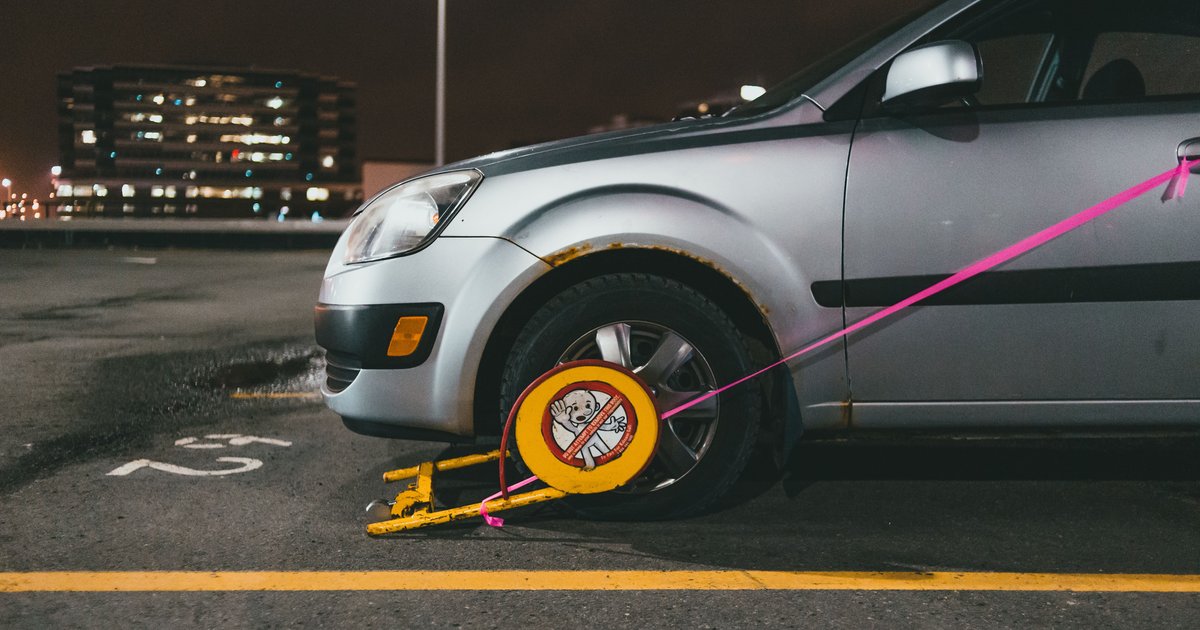
Cities use these fees to keep traffic flowing, ensure emergency access, and protect curb space for residents and businesses. While a small ticket may feel like a nuisance, ignoring it can quickly escalate into late fees, booting, towing, or even a hold on your vehicle registration.
Average Illegal Parking Fees by Violation Type
Although fees vary by city, here are typical ranges you'll see across the U.S.:
- Expired parking meter: usually one of the lowest fines, set by each city
- Street cleaning violation: a modest fine that varies by city
- No parking zone: a moderate fine that varies by city
- Blocking a driveway: typically higher than a basic no-parking fine
- Blocking a fire hydrant: one of the steeper fines because of the safety risk
- Parking in a disabled space without a permit: usually the most expensive parking fine, often set by state law
- Double parking: a moderate-to-high fine that varies by city
- Blocking a bike lane: a moderate-to-high fine that varies by city
If you don't pay within the grace period stated on your ticket, many cities increase the fine and may add collection fees.
State and City Examples
California
California has some of the highest parking fees in the country. In Los Angeles, blocking a hydrant carries a substantial fine, and a disabled-space violation costs considerably more. San Francisco street cleaning tickets are also on the higher end. State law also allows the DMV to place a registration hold if you have unpaid tickets; check with your city's parking agency for current amounts.
New York
NYC parking fines are notorious. Double parking in Manhattan and blocking a hydrant both carry hefty fines. Repeat offenders with multiple unpaid tickets can be booted; check the NYC Department of Finance for current amounts and thresholds.
Texas
Texas parking fines tend to be lower. In Houston, an expired meter ticket is relatively inexpensive, while disabled-space violations can be far costlier and may come with a possible court appearance.
Florida
Miami's fines range from relatively small amounts for meter violations to much larger penalties for disabled-space parking. Florida law also sets a statewide minimum fine for disabled-spot violations; check the city's current fine schedule for exact amounts.
What Happens If You Don't Pay?
Unpaid parking fees rarely disappear. Here's the typical escalation:
- Late fee added — often significantly increasing the original amount if you miss the payment deadline.
- Collections referral — the city may send your debt to a third-party agency.
- Registration hold — you may be blocked from renewing your tags.
- Booting or towing — common after 3–5 unpaid tickets.
- Credit impact — collections accounts can hurt your credit score.
How to Contest an Illegal Parking Ticket
If you believe the ticket was issued in error, you usually have a limited window, often a few weeks, to contest it; check the deadline on your ticket. Steps include:
- Photograph the scene, including signage, curb markings, and your vehicle's position.
- Request a hearing online or by mail through the issuing city.
- Submit evidence such as receipts, permits, or photos showing unclear signage.
- Attend the hearing (in person, by phone, or written submission).
Tickets are often dismissed when signs are missing, faded, or contradictory — so document everything before paying.
What If Someone Else Is Parked Illegally Near You?
If another driver is blocking your driveway, taking up two spots, or parked in a fire lane, you have options before calling a tow truck. A polite note or message to the owner often resolves the issue faster than waiting for enforcement. This is where a license plate lookup can help — you can leave a message tied to the plate so the owner sees it even if you never meet in person.
For ongoing nuisance behavior — like a neighbor repeatedly blocking shared access or an abandoned vehicle sitting on your street — documenting plate numbers and submitting reports gives local authorities the evidence they need to act.
FAQs
Can I get points on my license for illegal parking?
No. Parking violations are non-moving violations and generally don't add points to your driving record, though unpaid fines can still affect your registration.
Does an illegal parking ticket affect insurance?
Usually not. Insurance companies typically only consider moving violations, not parking tickets — unless your fines go to collections.
Can a parking ticket follow you to another state?
Yes. Many states share data through reciprocity agreements, and unpaid tickets can prevent registration renewal even if you move.
Who pays the fee — the driver or the registered owner?
The registered owner is responsible, since parking citations are tied to the vehicle, not the driver.
Takeaway: Resolve Parking Problems Faster
Illegal parking violation fees are real money — and ignoring them only makes things worse. If you've received a ticket, act quickly to pay or contest it. If someone else's vehicle is causing the problem, you don't have to wait for a tow truck or city officer.
With PlateQuery, you can look up a license plate, leave a respectful message for the owner, or report a parking issue tied to the plate. It's a faster, less confrontational way to resolve everyday parking problems — and a useful tool for documenting repeat offenders, abandoned vehicles, or bad driver behavior in your community.