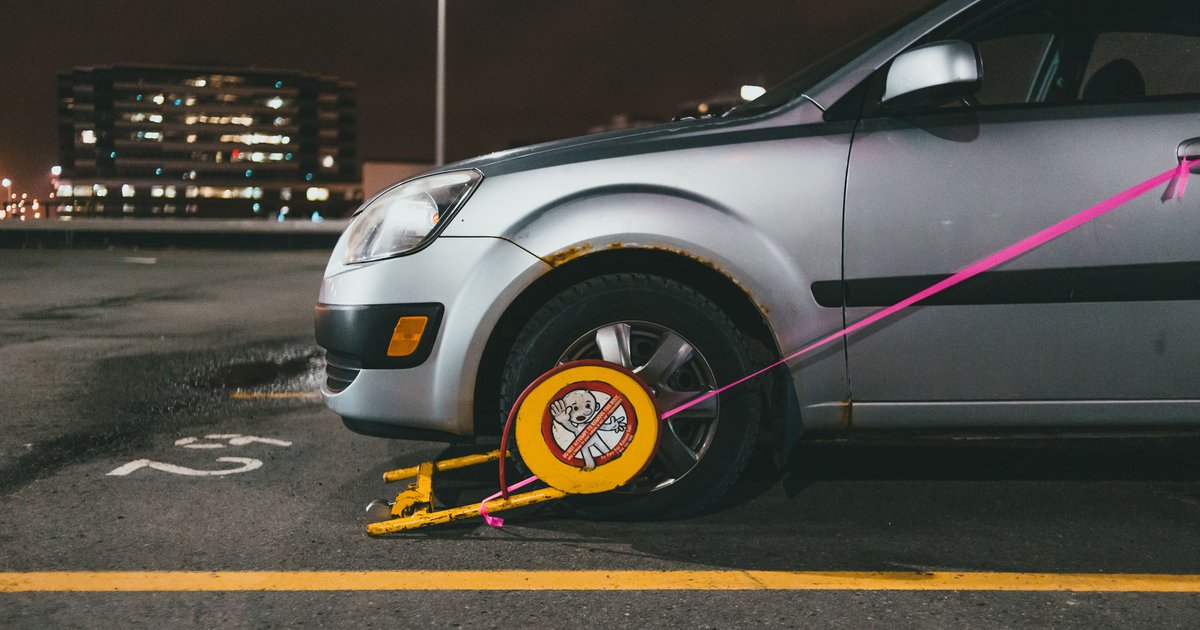
What Is an Illegal Parking Notice?
An illegal parking notice is a formal or informal document alerting a vehicle owner that their car is parked in violation of a rule or law. It can come from a parking enforcement officer, a property manager, a homeowners association, or even a concerned neighbor. Official notices typically carry fines, while unofficial ones serve as warnings before escalating the issue to authorities.
Common reasons for issuing an illegal parking notice include blocking driveways, parking in fire lanes, occupying accessible parking spaces without a permit, exceeding time limits, or leaving a vehicle in a private lot without authorization.
Who Can Issue an Illegal Parking Notice?
Not every notice carries the same weight. Understanding who has authority matters when you're either issuing or receiving one.
- Law enforcement and parking officers: Issue official citations that require payment or a court appearance.
- Property owners and managers: Can issue private property warnings and arrange towing if signage is posted.
- HOAs and building managers: Can enforce community parking rules within their jurisdiction.
- Private citizens: Can leave a courtesy notice, but cannot impose fines. This is often the first step before contacting authorities.
What to Include in an Illegal Parking Notice
Whether official or informal, a strong notice communicates the problem clearly and gives the driver a chance to correct it. Include the following:
- Date and time the vehicle was observed parked illegally.
- Location of the violation (address, lot section, or street name).
- License plate number and vehicle description (make, model, color).
- Reason for the notice, citing the specific rule or law when possible.
- Action requested, such as moving the vehicle within a set time.
- Consequences if ignored, like towing or a formal citation.
Example of a Courtesy Notice
"Your vehicle (blue Honda Civic, plate ABC1234) was parked blocking the driveway at 123 Main Street on March 4 at 8:15 AM. Please avoid parking here in the future. Repeated violations will be reported to the city and may result in towing."
State-Specific Parking Laws to Know
Illegal parking rules vary widely across the U.S. A few examples:
- California: Blocking a sidewalk or fire hydrant can result in fines starting around $65, with towing possible. California also has strict rules on street sweeping violations.
- New York: Double parking, hydrant obstruction, and bus lane violations often carry fines of $115 or more.
- Texas: Parking in an accessible spot without a permit can lead to fines up to $500 and vehicle towing.
- Florida: Local municipalities set their own fines, but blocking accessible ramps typically brings a $250 penalty.
Always check your local municipal code before issuing or contesting a notice. License plate laws and parking ordinances differ even between neighboring cities.
How to Handle a Vehicle Parked Illegally on Your Property
If someone parks illegally on your property or repeatedly blocks your access, here's a practical approach:
- Document everything. Photograph the vehicle, the license plate, and the surrounding area with a timestamp.
- Leave a written notice. A polite, clear message often resolves the issue without escalation.
- Try to contact the owner. Sometimes drivers don't realize they've caused a problem. A quick message can prevent repeat offenses.
- Contact local authorities. If the vehicle appears abandoned or the behavior continues, file a report with your city's parking enforcement.
- Arrange towing. Only after following posted signage rules and local requirements.
Frequently Asked Questions
Can I place a note on someone's windshield?
Yes, leaving a polite courtesy note is legal in most areas as long as you don't damage the vehicle. Avoid using adhesives that harm paint or windows.
What if the vehicle looks abandoned?
Abandoned vehicles typically have flat tires, expired registration, or haven't moved for weeks. Report them to your local police non-emergency line or municipal parking authority.
Can I look up the owner by license plate?
Direct owner information isn't publicly available due to privacy laws. However, platforms like PlateQuery let you leave a message tied to a plate so the owner can receive it without sharing personal details.
What if the driver ignores my notice?
Escalate to parking enforcement or, on private property with proper signage, arrange a legal tow through a licensed company.
How PlateQuery Helps
When you can't wait for the driver to return or a citation to be processed, PlateQuery gives you a private, respectful way to communicate. You can perform a license plate lookup, leave a message about a parking issue, or file a report tied to the plate. If the owner has claimed their plate profile, they'll be notified immediately — often resolving the problem faster than a formal notice ever could.
Whether you're dealing with a one-time blocker, a repeat offender, or a suspected abandoned vehicle, PlateQuery connects you to the person behind the plate while keeping everyone's privacy protected.