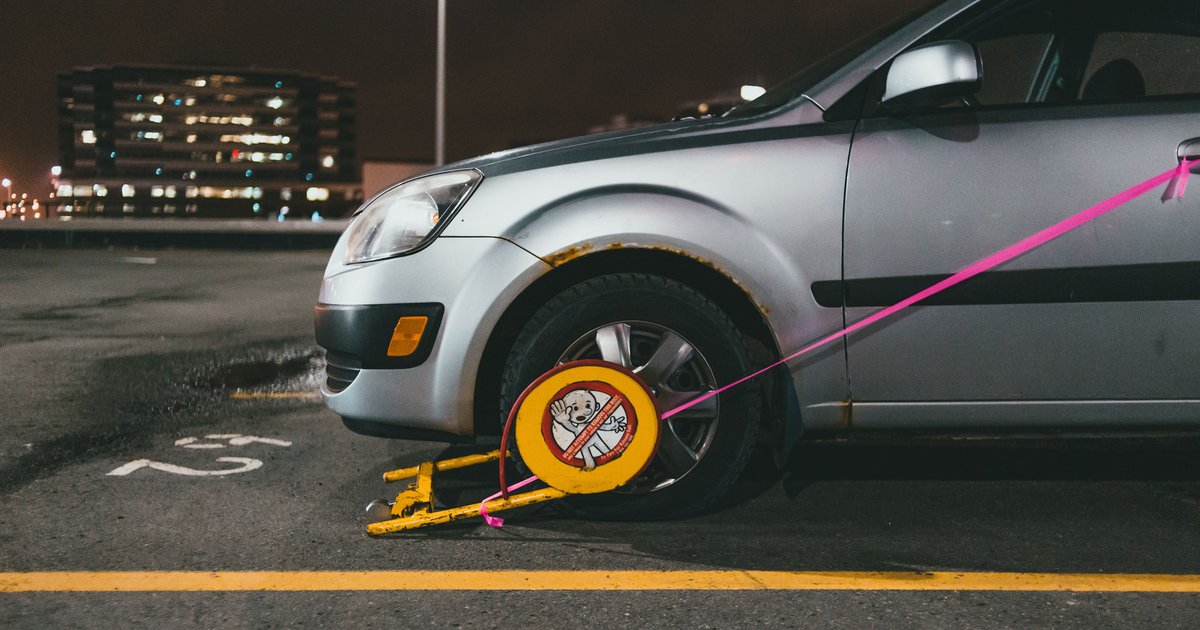
What Does Illegal Parking Mean?
Illegal parking refers to the act of leaving a vehicle in a place where parking is prohibited by law, or parking in a way that breaks specific rules such as time limits, distance requirements, or designated-use restrictions. The exact definition depends on your city, county, or state, but the core idea is the same everywhere: if a sign, curb marking, or traffic law forbids it, and you park there anyway, you're parking illegally.
This can range from minor infractions, like an expired meter, to serious violations, like blocking a fire hydrant or a disabled access ramp. Consequences typically include fines, towing, and in some cases points on your license.
Common Examples of Illegal Parking
Understanding the meaning of illegal parking is easier when you look at real-world examples. Below are the most common violations drivers face:
- Blocking a fire hydrant — Most states require vehicles to be parked at least 15 feet away.
- Parking in a disabled space without a permit — One of the most heavily fined violations, often $250–$1,000.
- Double parking — Stopping next to a legally parked car, blocking traffic.
- Blocking a driveway — Even your own driveway may count in some cities if the vehicle extends onto the sidewalk.
- Parking in a red or yellow zone — Red curbs mean no stopping; yellow usually means loading only.
- Expired meters or overstaying time limits — Common in metered downtown areas.
- Blocking a crosswalk or sidewalk — Creates hazards for pedestrians.
- Parking on the wrong side of the street — Illegal in many states unless on a one-way road.
- Street cleaning violations — Common in cities like San Francisco, New York, and Chicago.
How Illegal Parking Rules Differ by State
Every state has its own vehicle code, and cities layer additional ordinances on top. Here are a few examples:
California
California Vehicle Code Section 22500 lists prohibited stopping and parking areas, including sidewalks, crosswalks, bike lanes, and within 15 feet of a fire hydrant. Cities like Los Angeles and San Francisco add strict street sweeping rules.
New York
NYC is notorious for alternate-side parking rules and rapid ticketing. Fines can exceed $115 for double parking in Manhattan.
Texas
Texas prohibits parking within 20 feet of a crosswalk at an intersection and within 30 feet of a stop sign or traffic signal.
Florida
Florida enforces steep penalties for disabled-space violations, sometimes reaching $250 for a first offense.
If you want to learn more about how rules vary, it's worth reading up on license plate laws and local parking ordinances specific to your area.
What to Do If Someone Parks Illegally Near You
Illegal parking is more than just an annoyance — it can block your driveway, prevent emergency access, or create dangerous road conditions. Here are your options:
- Document the violation. Take clear photos showing the vehicle, license plate, and the reason it's illegal (hydrant, sign, curb color).
- Call parking enforcement. Non-emergency lines or 311 handle most parking complaints.
- Call police for safety issues. Blocked fire lanes, hydrants, or accessible spaces warrant a police call.
- Request a tow if the vehicle blocks your driveway. Many cities allow property owners to authorize a tow.
- Contact the vehicle owner directly. Sometimes the fastest solution is a polite message — especially if the driver may not realize they've caused a problem.
When It's an Abandoned Vehicle vs. Illegal Parking
Not every illegally parked car is abandoned. Generally, a vehicle is considered abandoned if it hasn't moved in 72 hours (in most states), has expired registration, or shows visible damage suggesting neglect. Abandoned vehicles usually require a specific reporting process and eventual towing by the city.
FAQ: Illegal Parking
Is blocking your own driveway illegal?
In many cities, yes — if any part of your vehicle extends over the sidewalk or into the street. Los Angeles and Seattle both enforce this.
Can I be ticketed on private property?
Yes. Shopping centers, apartment complexes, and business lots can enforce parking rules through private tow companies.
Does a warning count as a ticket?
No, but repeated warnings often escalate to citations, especially in permit zones.
Can I look up who owns an illegally parked car?
You can't access private DMV records, but tools that allow a license plate lookup for public messaging can help you leave a note for the owner.
How PlateQuery Can Help
When someone parks illegally near you, you don't always want to escalate to a tow or ticket — sometimes you just want the driver to move. That's where PlateQuery comes in. You can contact a vehicle owner directly by entering their license plate, leave a message about the parking issue, or file a bad driver report for documentation. Whether you're dealing with a blocked driveway, a car left too long in front of your home, or a suspected abandoned vehicle, PlateQuery gives you a respectful, non-confrontational way to reach out before things escalate.