Illegal Parking Definition Explained
In simple terms, the illegal parking definition covers any situation where a driver parks a vehicle in violation of posted signs, painted curb markings, or written traffic codes. It doesn't matter if the driver is inside the car, if the engine is running, or if it's only for a minute. If the location or manner of parking breaks a rule, it's considered illegal parking.
Illegal parking laws exist to protect public safety, keep traffic flowing, guarantee access for emergency vehicles, and preserve reserved spaces for people who need them, such as drivers with disabilities.
Common Examples of Illegal Parking
While the exact rules vary by city and state, these are the most widely recognized examples of illegal parking:
- Blocking a fire hydrant — usually within 15 feet in most states.
- Parking in a disabled space without a valid placard or plate.
- Double parking next to a legally parked car.
- Parking on a sidewalk, crosswalk, or in a bike lane.
- Blocking a driveway, mailbox, or garage entrance.
- Parking too close to a stop sign or intersection (typically within 20–30 feet).
- Parking against the flow of traffic on a two-way street.
- Ignoring street cleaning or snow route signs.
- Parking in a red, yellow, or white curb zone when not authorized.
- Leaving an unregistered or expired-tag vehicle on a public street.
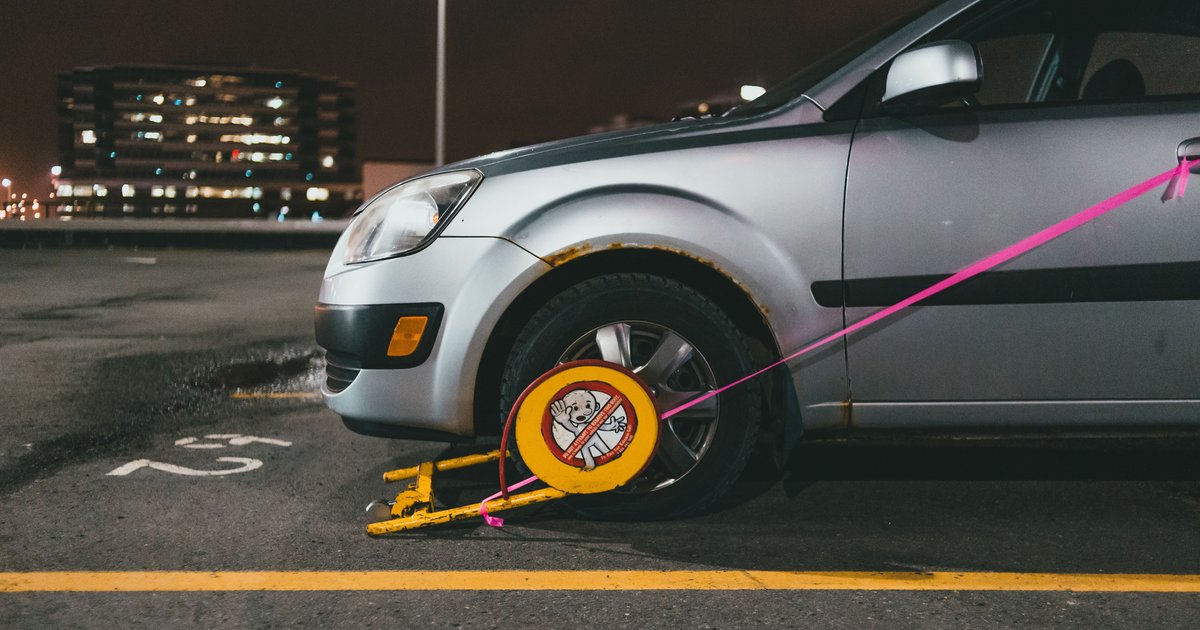
Some of these violations only result in a small fine. Others — like blocking a hydrant or a disabled space — can lead to steep tickets and immediate towing.
Illegal Parking vs. Abandoned Vehicles
People often confuse illegal parking with abandoned vehicles. They're related but not identical. A car parked illegally for an hour is a parking violation. A car left in the same spot for days or weeks, especially with flat tires, expired registration, or visible damage, may qualify as an abandoned vehicle under state law and can be towed and impounded.
If you're unsure whether a car is abandoned or simply parked, a quick license plate lookup can help you check the plate's activity and even leave a message for the owner.
State-Specific Illegal Parking Laws
Illegal parking rules aren't uniform across the U.S. Here are a few notable differences:
- California: You must park within 18 inches of the curb, and parking against traffic direction is a citable offense. Explore common plates in California.
- New York City: Alternate-side parking rules for street cleaning are strictly enforced, with fines often exceeding $65.
- Texas: State law prohibits parking within 20 feet of a crosswalk or 30 feet of a stop sign.
- Florida: Parking on a beach or dune area outside marked lots can result in significant fines under local ordinances.
Always check your city's municipal code — local rules often add restrictions beyond state license plate laws and general traffic statutes.
Consequences of Illegal Parking
The penalties for illegal parking depend on the violation and the jurisdiction. Common consequences include:
- Parking tickets ranging from $25 to several hundred dollars.
- Towing and impound fees, which can quickly exceed $300–$500.
- Booting for repeat offenders with unpaid fines.
- Registration holds that prevent you from renewing tags until fines are paid.
Repeat violations can also affect your driving record in some states and may be relevant in bad driver reports filed by neighbors or businesses affected by the parking behavior.
What to Do If Someone Parks Illegally Near You
If you're dealing with a neighbor, customer, or stranger who repeatedly parks illegally, you have a few options:
- Call your local parking enforcement or non-emergency police line.
- Document the incident with photos, including the license plate and location.
- Try to contact the vehicle owner before escalating — sometimes people don't realize they're violating a rule.
FAQ: Illegal Parking
Is parking in front of your own house illegal?
Not usually, but you still have to follow the same street rules, like distance from hydrants and driveways. Public streets are not private property, even in front of your home.
Can you get a ticket while sitting in the car?
Yes. Most jurisdictions define parking as stopping in a restricted area, regardless of whether the driver is present.
Are vanity or specialty plates treated differently?
No. Whether you drive with standard tags, vanity plates, or specialty plates, you're subject to the same illegal parking laws.
How PlateQuery Can Help
If a vehicle is blocking your driveway, taking your reserved space, or lingering somewhere it shouldn't be, PlateQuery makes it easy to take action without confrontation. You can look up the plate, leave a message for the owner, or report a parking issue tied to that plate — all through a simple, private platform. It's a smarter first step before calling a tow truck or filing a formal complaint.