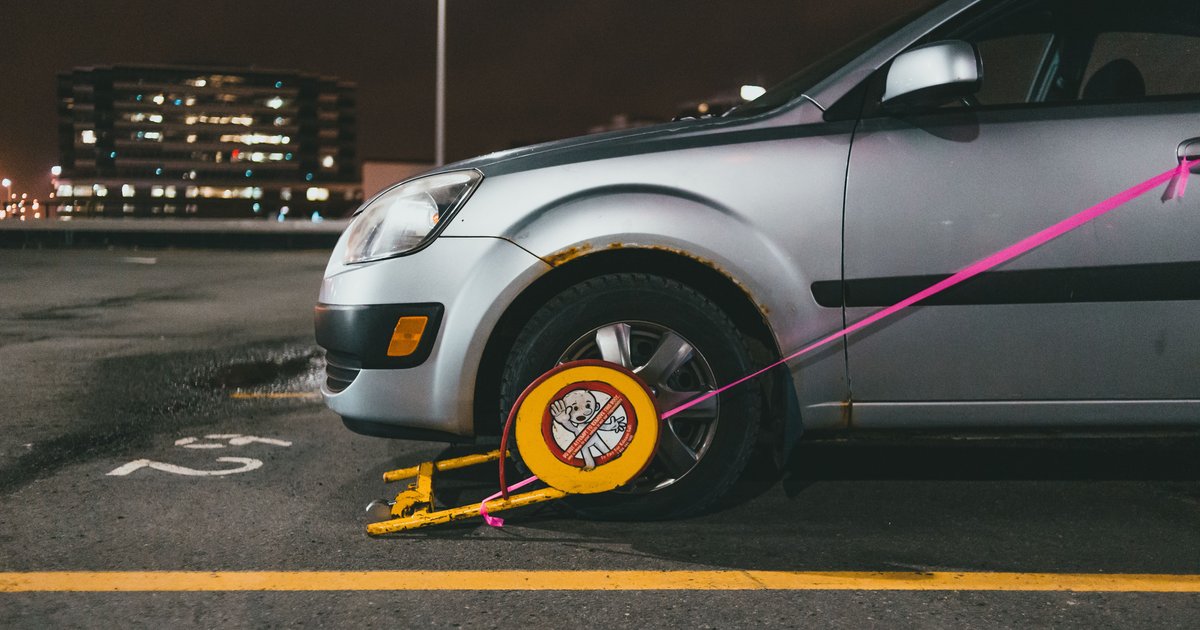
What Is the Illegal Parking CVC?
The California Vehicle Code (CVC) is the state law that governs how vehicles must be operated and parked. When people talk about "illegal parking CVC," they're usually referring to Division 11, Chapter 9 (Sections 22500–22526), which spells out exactly where you can't stop, stand, or park a vehicle in California.
These sections cover everything from parking too close to a fire hydrant to blocking a wheelchair ramp. Understanding them helps you avoid tickets — and know when to report someone else's violation.
Key CVC Sections That Define Illegal Parking
Here are the most frequently cited illegal parking sections in California:
- CVC 22500 — Prohibited stopping, standing, or parking. This is the big one. It covers parking in intersections, crosswalks, sidewalks, in front of driveways, next to fire hydrants (within 15 feet), on bridges, and in tunnels.
- CVC 22500.1 — Parking in a designated fire lane.
- CVC 22502 — Curb parking. Vehicles must be parked within 18 inches of the right-hand curb.
- CVC 22505 — Parking on state highways where prohibited.
- CVC 22507.8 — Illegally parking in a disabled parking space. This is one of the most expensive tickets in California, often $250–$500.
- CVC 22514 — Parking within 15 feet of a fire hydrant.
- CVC 22515 — Leaving an unattended vehicle without setting the brake or turning off the engine.
- CVC 22522 — Parking within 3 feet of a sidewalk access ramp for disabled persons.
- CVC 22523 — Abandoning a vehicle on a highway or public property.
Common Illegal Parking Examples
Here's what these violations look like in real life:
- A neighbor blocks your driveway so you can't back out — CVC 22500(e).
- Someone parks across a crosswalk near a school — CVC 22500(b).
- A car is parked 6 feet from the curb on a residential street — CVC 22502.
- A delivery van sits in a red fire lane at a shopping center — CVC 22500.1.
- A vehicle has been sitting in the same spot for weeks without moving — potentially an abandoned vehicle under CVC 22523 or 22651(k).
Fines and Penalties
California doesn't set a single statewide fine for illegal parking — cities and counties add their own surcharges. Typical ranges include:
- Standard curb violation: $50–$75
- Blocking a driveway: $75–$100
- Fire hydrant: $100+
- Disabled parking space (CVC 22507.8): $250–$500
- Fire lane: $100+
Unpaid tickets accrue late fees and can lead to a hold on your DMV registration renewal.
How to Report Illegal Parking in California
If you spot a violation, you have several options:
- Call local parking enforcement or the non-emergency police line. Never call 911 for parking issues.
- Use your city's app or website — Los Angeles, San Francisco, San Diego, and Sacramento all have online reporting tools.
- Contact the vehicle owner directly using a service like PlateQuery for California plates. Sometimes a polite message resolves the issue faster than a citation.
- For abandoned vehicles, contact your city's abandoned vehicle abatement program. Under CVC 22651(k), a vehicle parked in the same spot for more than 72 hours can be towed.
What If You Get an Illegal Parking Ticket?
You generally have three options: pay the ticket, request an initial review, or contest it at an administrative hearing. If you believe the citation was issued in error — for example, the curb wasn't clearly marked or a sign was obscured — gather photos and submit them with your appeal.
FAQ: Illegal Parking CVC
Can I be ticketed for parking in front of my own driveway?
Yes. CVC 22500(e) prohibits blocking any driveway, including your own, unless local rules say otherwise.
How long can a car be parked on a public street in California?
Under CVC 22651(k), a vehicle left in the same spot for more than 72 hours can be tagged and towed as abandoned.
Is parking on the sidewalk illegal in California?
Yes. CVC 22500(f) prohibits stopping, standing, or parking on any sidewalk.
What's the difference between an illegal parking ticket and a moving violation?
Parking citations don't add points to your driving record. Moving violations do. That's why parking tickets are typically handled administratively rather than in traffic court.
Takeaway: Resolve Parking Issues Faster
The illegal parking CVC exists to keep streets safe and accessible — but enforcement can be slow. If someone's blocking your driveway, parked over the sidewalk, or leaving a vehicle abandoned on your block, you don't always have to wait for a parking officer.
With PlateQuery, you can look up a license plate, leave a message for the owner about a parking issue, or submit a California license plate lookup to open a line of communication. A quick note often solves the problem before a ticket — or a tow — becomes necessary.