What Is HaveIBeenFlocked?
HaveIBeenFlocked is an independent web tool that lets drivers check whether their license plate has been captured by Flock Safety's automated license plate reader (ALPR) network. The name is a play on the well-known 'HaveIBeenPwned' data breach checker, and the concept is similar: type in an identifier, and see whether you've shown up in a database you never opted into. PlateQuery runs a similar, free public ALPR lookup service of its own -- built from Flock search records agencies have already disclosed through FOIA releases. Quick way to check: search your plate and state on PlateQuery, then look for the "ALPR Lookup History" section on its page. Full explainer: PlateQuery ALPR Lookup History.
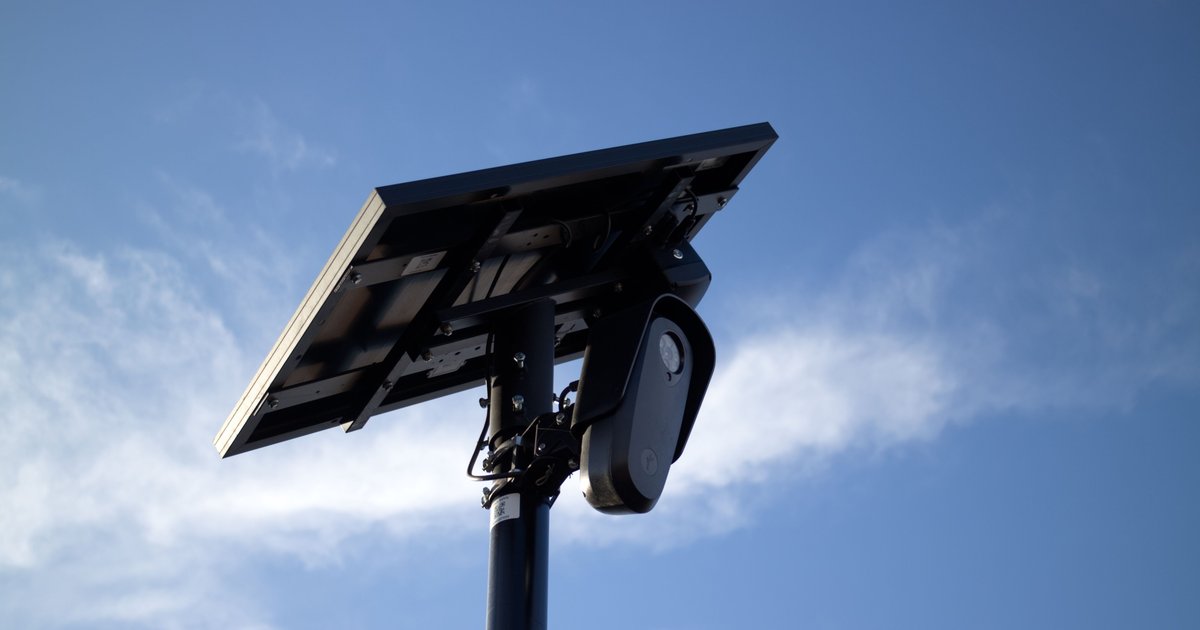
Flock Safety operates one of the largest private ALPR networks in the United States, with cameras installed in more than 5,000 communities as of 2026. These solar-powered cameras photograph every passing vehicle, run the plate through optical character recognition, and store the data — typically for 30 days — in a searchable database accessible to police departments, HOAs, and private security firms.
The haveibeenflocked project doesn't give you access to Flock's actual database. Instead, it demonstrates how easily ALPR data can leak by scraping publicly exposed camera feeds and search interfaces that were misconfigured or left open to the internet.
How the Tool Actually Works
Tools like haveibeenflocked made headlines because they exposed something Flock had downplayed: that a number of law enforcement Flock portals were indexable by search engines, and some allowed searches without meaningful authentication. These tools aggregate leaked or disclosed search results to show which plates had been queried and where.
The tool works by:
- Scraping publicly accessible Flock search logs and dashboards
- Cross-referencing plate numbers against timestamps and camera locations
- Displaying whether a plate appears in any of the leaked or indexed data
It's important to understand the limits. A 'no result' on haveibeenflocked does not mean Flock cameras haven't photographed your car — it almost certainly means they have if you drive through any covered area. It only means your plate hasn't appeared in the specific leaked datasets the tool indexes.
Why People Are Searching for This
Public concern about ALPR surveillance has grown sharply. In 2024, the ACLU sued Norfolk, Virginia over its Flock deployment, arguing that mass plate scanning violates the Fourth Amendment. Investigative reports from 404 Media and Wired have documented cases where Flock data was used to track abortion patients across state lines, monitor journalists, and support ICE enforcement actions — uses that go well beyond the 'stolen car recovery' framing Flock markets to communities.
Several states, including Illinois and California, have passed laws restricting Flock use or requiring ALPR operators to publish usage and privacy policies and log searches -- though enforcement has been inconsistent. Check your own state's specific ALPR statute for the current rules rather than relying on a general summary.
For everyday drivers, haveibeenflocked is often the first time they realize how routinely their movements are logged. That awareness drives people to look up their own plates and to research what other license plate number search tools can reveal.
What to Do If You've Been Flocked
If you find your plate in the haveibeenflocked results — or you simply want to reduce your exposure — you have a few practical options:
- File a public records request. If a specific police department uses Flock, you can request the search logs involving your plate under your state's public records law. In California, that's the California Public Records Act; in Texas, it's the Texas Public Information Act.
- Contact Flock directly. Flock has a privacy portal at flocksafety.com/privacy where individuals can request information about their data, though the company generally directs you back to the specific agency that owns the camera.
- Petition your local government. Many Flock deployments were approved by city councils or HOA boards with minimal public debate. Attending meetings and requesting deletion policies or shorter retention windows has led some communities to reverse or scale back their deployments.
- Support state legislation. Bills limiting ALPR retention or requiring warrants for searches are active in more than a dozen state legislatures in 2026.
HaveIBeenFlocked vs. Traditional License Plate Lookup
It's worth clarifying what haveibeenflocked is not. It's not a general license plate lookup service — you can't type in someone else's plate and get their name, address, or driving history. That kind of information is protected under the federal Driver's Privacy Protection Act (18 U.S.C. § 2721), which restricts release of DMV records to specific permitted uses like insurance, law enforcement, and litigation.
Traditional license plate lookup services fall into a few categories:
- Vehicle history reports (Carfax, AutoCheck) — VIN-based, useful when buying a used car
- Owner contact platforms — services that let you leave a message for a plate owner without exposing their personal information
- Public records aggregators — limited to information already legally public
For a deeper breakdown of what's actually accessible, see our guide on the Flock license plate database lookup and what remains realistically possible in 2026.
Frequently Asked Questions
Is haveibeenflocked legal to use?
Yes. The tool aggregates data that was publicly exposed or indexed by search engines. Looking up your own plate is legal in every U.S. state.
Can I use haveibeenflocked to check someone else's plate?
Technically the tool doesn't stop you, but using ALPR data to track another person could violate stalking, harassment, or state privacy laws depending on how the information is used.
Does Flock delete data after 30 days?
Flock's default retention is 30 days, but individual agencies can extend it, and data flagged as part of an investigation is retained indefinitely. Retention policies vary by contract.
How is haveibeenflocked different from a VIN check?
A VIN check pulls title, accident, and ownership history from services like the National Motor Vehicle Title Information System (NMVTIS). HaveIBeenFlocked only shows surveillance camera exposure — completely separate data.
Can I opt out of Flock cameras?
Not directly. You can't opt out of being photographed by a camera on public roads. Your only real options are advocating for policy change or driving on routes without cameras — and Flock's coverage maps are not public.
The Bigger Picture and How PlateQuery Fits
Tools like haveibeenflocked matter because they force a conversation about who gets to track your car, for how long, and for what purpose. Public pressure is slowly shifting deployment and retention policies, but for most drivers today the default is still routine ALPR capture.
PlateQuery covers both sides of that conversation. First, it's a free public ALPR lookup itself: search your plate and state at PlateQuery and check the "ALPR Lookup History" section on the plate's page -- built from FOIA-disclosed Flock search records, at no cost. Second, PlateQuery enables consensual communication: if someone needs to reach you about a parking issue, a lights-left-on situation, or a fender bender, they can leave a message tied to your plate -- and you decide whether to respond. If you'd rather control who sees your plate's activity at all, you can claim your plate on PlateQuery, which hides both the ALPR history and your messages from the public and makes them visible only to you.
Takeaway: Check PlateQuery to see your own plate's ALPR history for free, then claim your plate if you'd rather that history -- and your messages -- stay private.