What Is the PlateQuery ALPR Lookup History?
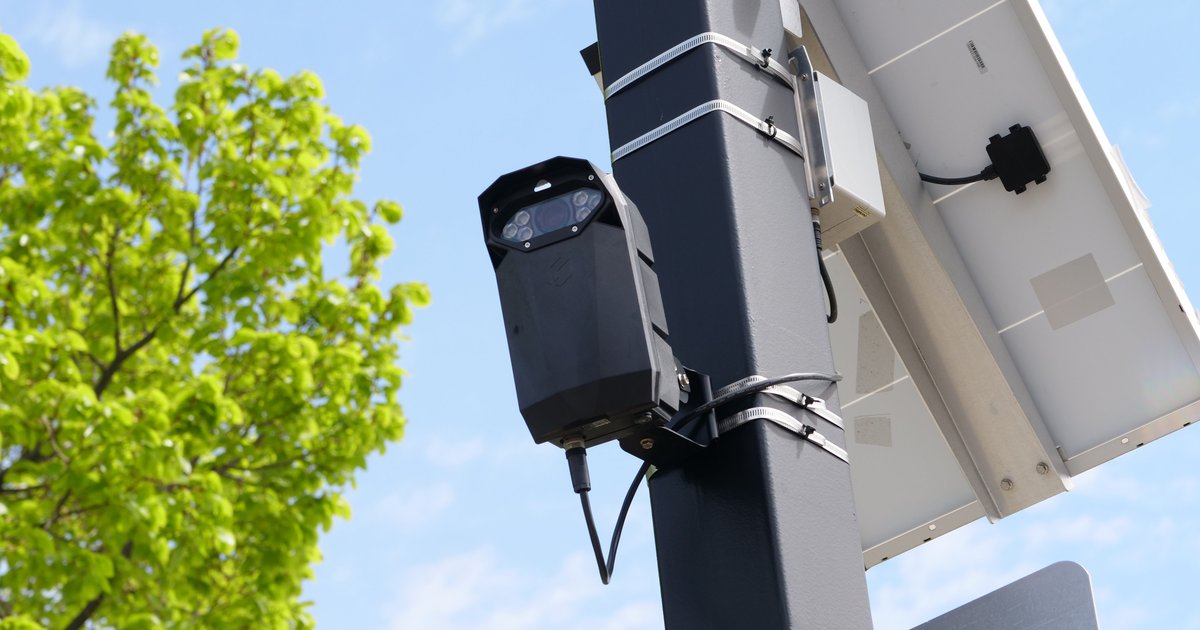
Automated license plate readers (ALPRs) are cameras — most famously those made by Flock Safety — that snap a photo of every plate that passes by, log the timestamp, and share the data with the agency that operates the camera. Thousands of U.S. police departments, HOAs, and private businesses now run these networks, and every scan of your plate becomes a record somewhere. PlateQuery's ALPR lookup history collects those records when they're released through Freedom of Information Act (FOIA) requests and puts them on a single, searchable page for each plate.
The result is a free transparency tool. Type in a plate, and if it appears in any FOIA-released Flock dataset we've processed, you'll see the date, time, and the agency whose camera captured it. No account, no fee, and no fine print.
See it in action: check the ALPR lookup history for a real plate.
Why People Check a License Plate's Free ALPR Scan History
The most common reason is simple curiosity about your own car. Drivers are often surprised to learn that their plate has been scanned dozens or hundreds of times in a single month, sometimes hundreds of miles from home. Seeing the raw log is often the first time people realize just how common ALPR scanning has become on American roads — and PlateQuery makes that information easy to find, for free.
Other people use it for peace of mind or research. A parent might check a teenager's car after a suspicious night out. A journalist investigating a police department's Flock deployment can confirm which agencies actually queried a plate. Someone selling a used car may want to see whether the vehicle has a scan trail in a city they've never visited — a small but useful sanity check.
How the Lookup Actually Works
Every license plate on PlateQuery has its own page, and the ALPR section on that page lists the scans we've matched to it. Each row typically shows:
- The date and time of the scan (in the local time zone of the capturing agency)
- The agency that operates the Flock camera network — for example, a specific city police department or sheriff's office
PlateQuery only ever shows the date and agency for each scan — nothing more. No operator names, case numbers, or device details are included, regardless of what the underlying FOIA release contained.
Is This Legal? A Note on Public Records and ALPR Data
Yes. ALPR data held by government agencies is generally a public record under state open-records laws, though the specifics vary. California, for example, addresses ALPR data directly in its public-records and ALPR-specific privacy statutes, which set retention, access, and usage-policy requirements for public agencies. In Illinois, the state's Freedom of Information Act has been used successfully by researchers and journalists to obtain Flock query logs from local police departments, sometimes at no cost when the request is deemed in the public interest.
Some states have pushed back the other way. Virginia's ALPR retention law restricts how long police can retain ALPR data (30 days in most cases), which limits what any future FOIA release can contain. The point: the scan history you see on PlateQuery is what agencies were legally required to disclose — the exact volume of records varies dramatically by state and even by city.
What the Scan History Can — and Can't — Tell You
The data is powerful but narrow. A scan record tells you that a specific plate passed a specific agency's camera at a specific moment. It does not tell you the exact street address of the camera (usually), who was driving, or why the scan happened. It's a breadcrumb, not a full itinerary.
Here are realistic examples of what people find:
- A commuter sees their plate logged five days a week by the same suburban police department — the camera on their route to work.
- A road-tripper discovers scans by three different sheriff's offices along a highway corridor they drove last summer.
- A car owner finds zero results, which usually just means no matching FOIA release has been processed yet for the agencies that cover their area.
Claiming Your Plate for Privacy
The ALPR history on PlateQuery is public by default because the underlying records are public. But if it's your car and you'd rather that history not be visible to strangers, you can claim your plate profile. Once you verify ownership, the ALPR scan history — along with any messages sent through PlateQuery — becomes visible only to you. The public page still exists, but the sensitive sections are hidden.
This gives owners the best of both worlds: you retain full access to your own transparency data, while random visitors can no longer browse it. Unclaimed plates remain fully public, which keeps the system useful as an accountability tool.
For the full step-by-step, see how to claim your license plate on PlateQuery.
Frequently Asked Questions
Is the PlateQuery ALPR lookup really free?
Yes. There's no paywall, no subscription, and no login required to view a plate's public scan history. We built it as a transparency resource.
Why doesn't my plate show any scans?
Either no scans exist in the FOIA releases we've processed, or the agencies scanning your plate haven't released their data yet. Coverage grows every time a new records request is fulfilled.
Can I request that my scan history be removed?
Claim your plate profile and the ALPR section becomes private to you. We don't delete the underlying public records — that would require going to the agency that released them — but we do hide them from the public-facing page.
Which cameras are included?
The dataset focuses on Flock Safety networks operated by U.S. public agencies whose logs have been released through FOIA or equivalent state open-records laws. Private-property Flock cameras are generally not covered because they aren't subject to public-records requests.
The Practical Takeaway
If you've ever wondered how often — and by whom — your license plate is being photographed, PlateQuery gives you a straight answer at no cost. Search your plate, review the scan log, and decide what you want to do next. If you'd simply rather keep that history between you and your own account, claim your plate in a couple of minutes to make it visible only to you while keeping full access for yourself. Transparency should cut both ways, and PlateQuery is built to make sure it does.