What Is the Flock License Plate Database?
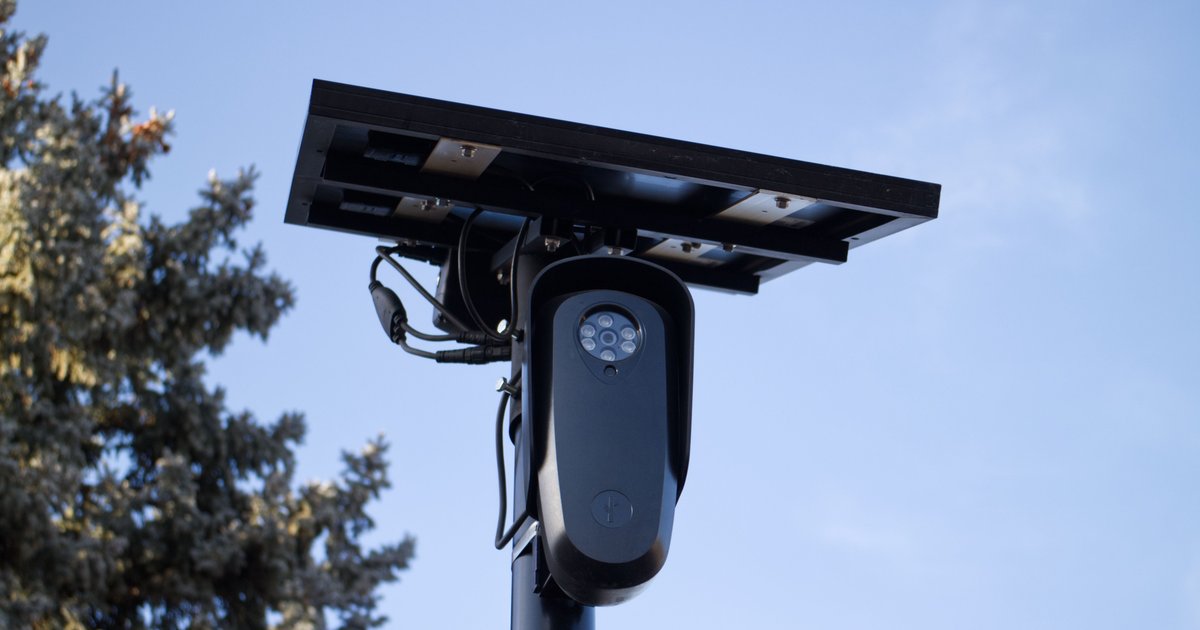
Flock Safety operates one of the largest privately owned networks of automated license plate readers (ALPRs) in the United States, with cameras installed in more than 5,000 communities as of 2026. These cameras photograph every passing vehicle, record the plate number, and log the time, location, and vehicle characteristics like color, make, and roof racks. The data is stored in a cloud database that Flock calls the FlockOS platform.
The important thing to understand about a Flock license plate database lookup is who can actually perform one. Access is restricted to vetted law enforcement agencies, participating homeowners' associations (for their own cameras only), and a small number of private businesses monitoring their own property. There is no public-facing search box where a regular person can type in a plate number and see where it's been spotted.
Can the Public Perform a Flock License Plate Lookup?
No. Flock does not sell, license, or otherwise provide database access to the general public, private investigators, journalists, or commercial data brokers. The company's terms of service and its contracts with police departments explicitly prohibit sharing raw ALPR data outside authorized law enforcement use.
That said, transparency tools do exist. PlateQuery publishes a free, public ALPR lookup history for any U.S. plate, built from Flock search records agencies have already disclosed through FOIA releases -- a fundamentally different (and public) service from a live database lookup. Quick way to check: search your plate and state on PlateQuery, then look for the "ALPR Lookup History" section on its page. Full explainer: PlateQuery ALPR Lookup History. For a look at a similar independent tool, see our guide on HaveIBeenFlocked License Plate Lookup: What to Know.
How Law Enforcement Actually Uses Flock
When a police officer runs a plate through Flock, they typically enter a case number and a reason (such as "stolen vehicle" or "Amber Alert") into the FlockOS interface. The system then returns every recent sighting of that plate across the network the department has access to — which can span multiple states through data-sharing agreements.
Retention periods vary by jurisdiction -- some states cap ALPR data retention at a set number of days unless the data is part of an active investigation, while others leave it to individual agency policy. This is part of why Flock lookups return different results depending on which agency's network you're querying. Check your own state's specific ALPR statute for exact figures rather than relying on a general rule of thumb.
What You Can Do Instead of a Flock Lookup
If you're a private citizen trying to identify or contact a vehicle owner — say, after a hit-and-run in a parking lot, a road-rage incident, or discovering a suspicious car parked outside your home — Flock is not your path. Here are the routes that actually work:
- File a police report. If a crime occurred, officers can query Flock (and state DMV records) on your behalf. Bring the plate number, date, time, and location.
- Request DMV records under state law. Every state's DMV maintains registration records, but the federal Driver's Privacy Protection Act (DPPA, 18 U.S.C. § 2721) restricts release to "permissible uses" like insurance claims, court proceedings, or verified private investigations.
- Use a public plate messaging platform. Services like PlateQuery let you leave a message tied to a plate number that reaches the owner if they've claimed their profile — without exposing any personal information.
- Search public commercial databases. Consumer-facing plate lookup sites aggregate vehicle history (title, accidents, recalls) from sources like NMVTIS. They don't reveal the owner's name, but they can confirm year, make, and model.
For a deeper walkthrough on legally reaching a driver, our guide How to Contact a Car Owner by Number Plate covers each of these methods step by step.
State-Specific Example: California
California is a useful case study because it has both a large Flock footprint and some of the strongest ALPR privacy laws in the country. Agencies must post a public usage and privacy policy for any ALPR system, and data can only be shared with other public agencies -- never sold. The California DMV also processes certified vehicle registration record requests for a fee, but requires you to certify a DPPA-permissible purpose.
So even in a state where Flock cameras are dense, a resident who wants to identify a driver cannot shortcut the process through Flock. They still go through the DMV or law enforcement. Our article on License Plate Lookup California: What You Can Find spells out exactly what's accessible.
Is a Flock License Plate Database Lookup Legal for Private Users?
Legality isn't really the barrier — access is. Since Flock doesn't offer a consumer product, there's nothing to legally or illegally use. Where legal issues arise is when someone tries to obtain Flock data through improper channels, such as convincing a friend in law enforcement to run a plate for personal reasons. That's a violation of the DPPA, department policy, and in many states a criminal misdemeanor for misuse of a law enforcement database.
Officers have been fired, prosecuted, and successfully sued for exactly this. Don't ask a contact to run a plate for you, and don't accept the offer if it's made.
Frequently Asked Questions
Can I see if my own plate is in the Flock database?
Not directly through Flock. You can file a public records request with your local police department for any ALPR data they hold on your plate, or check aggregator sites like HaveIBeenFlocked that surface FOIA'd records.
Do Flock cameras record every plate?
Yes. Flock ALPRs capture every vehicle that passes, not just plates flagged as suspicious. The image and metadata are uploaded to the department's Flock database and retained per that agency's policy.
How much does Flock cost cities?
Contract costs vary by municipality and deal size, but Flock has marketed itself as inexpensive compared to hiring additional officers, which is part of why deployment has grown so quickly.
Are there alternatives for finding a car owner without Flock?
Yes — see our overview of how license plate number search works in 2026 for the current legal options.
The Practical Takeaway
A Flock license plate database lookup isn't something you can do as a member of the public, and that's by design. If your actual goal is to reach the owner of a specific vehicle — to resolve a fender-bender, return a lost item, or flag a parking problem — the fastest path isn't chasing surveillance data. It's using a communication platform built for exactly that purpose.
PlateQuery lets you leave a message attached to a license plate. If the owner has claimed their plate profile, the message reaches them directly. If they haven't, it waits for them — and many drivers claim their plate specifically because they've received a notification. It's the legal, private, and genuinely useful alternative to trying to pry open a database that was never meant for you.