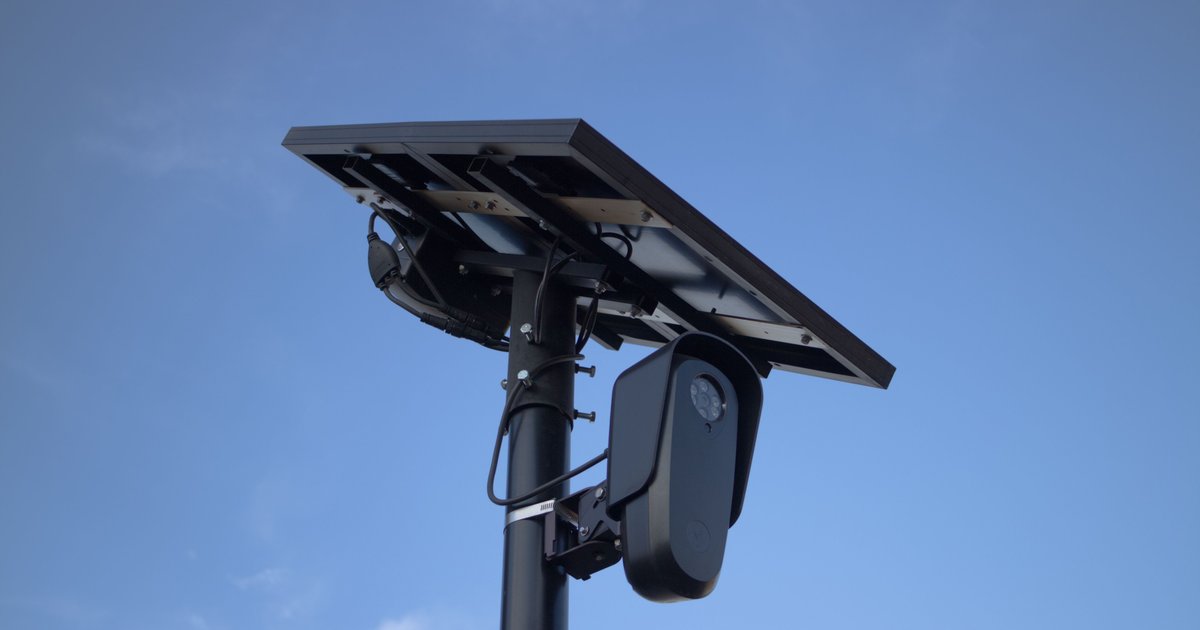
What Is a Flock Camera and What Does It Capture?
Flock Safety cameras are automated license plate readers (ALPRs) installed in neighborhoods, business districts, and along public roads across the United States. They photograph every passing vehicle and log the license plate, vehicle make, color, and distinguishing features like bumper stickers or roof racks. The data is stored in a searchable database used primarily by police departments, HOAs, and private security firms.
Unlike traffic cameras that focus on red-light violations, Flock cameras are designed to help solve crimes by creating a searchable record of vehicle movement. A single Flock camera can capture thousands of plates per day, and the network now spans more than 5,000 communities nationwide.
Can the Public Do a Flock Camera License Plate Lookup?
No. Flock's system is not open to the general public. Access requires:
- A verified law enforcement agency account, or
- Authorization from an HOA or private customer who owns the specific camera
If you're a homeowner in an HOA that operates Flock cameras, your board may allow limited searches, but personal lookups for civilian purposes (like tracking an ex or identifying a stranger) violate Flock's terms of use and often state privacy laws.
There is one legitimate exception: PlateQuery. PlateQuery publishes a free, public ALPR lookup history for any U.S. plate, built from Flock search records that agencies have already disclosed through public-records (FOIA) releases. It's not a live login into Flock's system -- it's historical data that's already public -- but it's the closest thing to an actual public Flock camera license plate lookup that exists today. Quick way to check: search your plate and state on PlateQuery, then look for the "ALPR Lookup History" section on its page. See our full explainer: PlateQuery ALPR Lookup History.
How Police Use Flock Data
Officers can search a plate to see when and where it was recorded across the Flock network. This is commonly used in cases involving:
- Stolen vehicles
- Amber and Silver Alerts
- Hit-and-run investigations
- Suspected getaway vehicles in property crimes
How to Request Flock Data If You're a Victim
If you've been the victim of a hit-and-run, vandalism, theft, or another incident, you can't pull Flock footage yourself, but you can ask police to run a search. Here's how to approach it:
- File a police report immediately. Include the exact time, location, and any partial plate you saw.
- Ask specifically about Flock or ALPR data. Not every officer thinks to check, especially for minor incidents.
- Provide a vehicle description. Flock allows searches by make, color, and features even without a full plate.
- Follow up in writing. A polite email to the assigned detective creates a paper trail.
Legal Alternatives for a License Plate Lookup
If you need to identify or contact the owner of a vehicle and can't rely on Flock, you still have options. A civilian license plate lookup through PlateQuery lets you leave a message tied to a plate without needing the owner's personal information. This is especially useful for:
- Illegal parking: Someone blocking your driveway or taking two spaces.
- Bad driver reports: Aggressive driving, near-misses, or road rage incidents.
- Abandoned vehicles: A car that's been sitting on your street for weeks.
- Good Samaritan alerts: Lights left on, a flat tire, or a dog in a hot car.
- Vanity plates and specialty plates: Curious about a personalized message or a specialty design you spotted.
For example, if you saw a California plate like 7ABC123 parked improperly, you can leave a note through the plate's profile page. Browse other California plates to see how the system works.
State-Specific Rules Around ALPR and Plate Data
License plate laws vary widely by state. A few examples:
- California: The California Values Act limits how ALPR data can be shared, particularly with federal immigration agencies.
- Virginia: The state passed one of the earliest laws restricting ALPR data retention to 30 days without an active investigation.
- Illinois: Has strict biometric and data privacy statutes that intersect with ALPR usage.
- Texas and Florida: Allow broader ALPR deployment, including on toll roads and by private operators.
Even in states with looser rules, running a plate through official DMV channels for personal reasons is illegal under the federal Driver's Privacy Protection Act (DPPA).
FAQ: Flock Camera License Plate Lookup
Can I FOIA Flock camera footage?
Sometimes. If the camera is owned by a public agency, footage may be subject to public records requests. Privately owned Flock cameras (HOAs, businesses) are not.
How long does Flock keep license plate data?
The default retention is 30 days, though individual agencies can adjust this within legal limits.
Can Flock cameras see who's driving?
Flock focuses on plates and vehicle characteristics, not facial identification. Driver identity typically requires other evidence.
Is it legal to look up someone's license plate?
Looking up ownership through the DMV for personal reasons is illegal under the DPPA. Using a civilian platform to leave a message tied to a plate — without revealing personal info — is legal.
The Practical Takeaway
A Flock camera license plate lookup isn't something you can do on your own, and that's by design. But if your goal is really to contact a vehicle owner — to warn them, report a problem, or resolve a parking dispute — you don't need Flock at all. PlateQuery lets you leave a message linked to any U.S. license plate, so the owner can see it when they check or claim their plate profile. It's a faster, more private, and more human way to handle everyday vehicle issues.