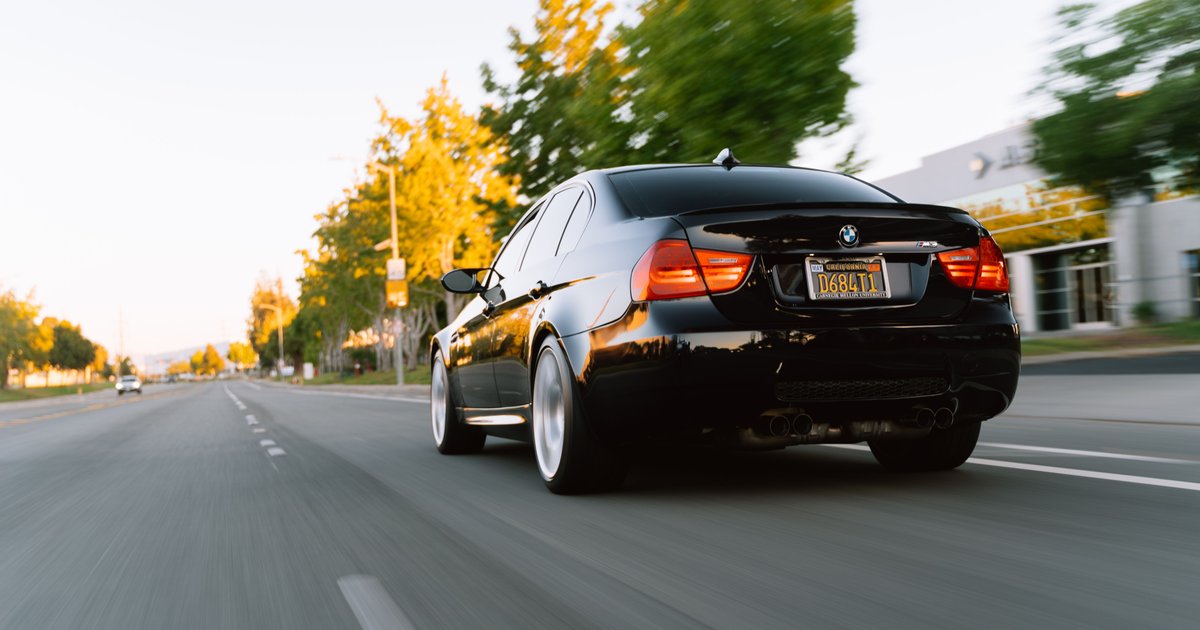
What Counts as a California Vanity Plate?
In California, a vanity plate — officially called an Environmental License Plate — is any plate where you choose the letter and number combination yourself, rather than accepting the random sequence the DMV assigns. The name is a leftover from 1972, when the state legislature created the program to fund environmental protection efforts through Public Resources Code Section 21191. Every dollar of the personalization fee still goes to the California Environmental License Plate Fund, which supports state parks, air quality programs, and wildlife conservation.
You can request up to 7 characters on a standard passenger vanity plate (2 to 6 on motorcycle plates), using letters, numbers, spaces, and a half-space. So a plate reading SURF LA, H2O LVR, or 1CLDBRU would all qualify as long as the combination isn't already taken and doesn't violate the DMV's content rules.
How Much Does a California Vanity Plate Cost in 2026?
The California DMV charges a tiered set of fees for personalization, on top of your normal registration:
- $103 — initial application fee for a standard Environmental License Plate
- $53 — annual renewal fee (in addition to regular registration)
- $113 — initial fee for specialty backgrounds like Yosemite, Lake Tahoe, or Coastal Commission plates
- $83 — annual renewal for those specialty personalized plates
If you want to transfer a personalized plate to a different vehicle you own, the DMV charges a small transfer fee (currently $15) and you'll need to submit form REG 17. Fees are set by the California Vehicle Code and updated periodically, so check dmv.ca.gov before mailing a check.
How to Order a Vanity Plate in California
You have two paths: online or by mail. The online route is faster and cheaper on your time.
- Check availability. Go to the DMV's License Plate personalization tool at dmv.ca.gov and type in your desired combination. The tool tells you immediately whether it's available.
- Submit your application. Fill out the online form or mail Form REG 17 (Special Interest License Plate Application) to the DMV Special Processing Unit in Sacramento.
- Pay the fee. $103 for a standard Environmental plate, more for specialty backgrounds.
- Wait. Current DMV processing times run about 10 to 12 weeks, though specialty plates can stretch to 15 weeks during busy seasons.
- Install and register. When your plate arrives, remove your old plates, attach the new ones, and destroy or return the originals per the instructions included in the package.
What California Won't Let You Put on a Plate
California Code of Regulations Title 13, Section 170.15 gives the DMV authority to reject any configuration that could be considered offensive, misleading, or duplicative. The department's Review Committee looks at every personalized request and rejects roughly 30,000 applications per year. The most common reasons include:
- Profanity, vulgarity, or sexual references — including foreign-language equivalents and phonetic spellings
- References to drugs, alcohol, or illegal activity
- Terms associated with hate speech or gangs
- Anything that could be mistaken for an official government designation (like POLICE or SHERIFF)
- Combinations already assigned or reserved
If your application is rejected, the DMV will send you a letter explaining the decision and offering the chance to request a review or submit an alternate combination. In 2020, a federal court ruling in Ogilvie v. Gordon forced California to loosen its rules slightly, so some previously banned plates (like ones that made political statements) are now approved on a case-by-case basis.
Popular California Vanity Plate Styles
California drivers tend to lean into local identity. Common themes include:
- Beach and surf culture: WAVES, PCH LIFE, MALIBU1
- Car enthusiast plates: V8 LOVE, TURBO M3, EV FAN
- Team and school pride: GO USC, LAKRS4L, 49ER FAN
- Personal initials or nicknames: JMS DAD, MRS LEE
If you want to dive deeper into what qualifies and how personalization works in general, our vanity plate definition guide covers the basics, and our plain-English guide to vanity license plates walks through options across different states.
Specialty Plates vs. Vanity Plates: What's the Difference?
Californians often confuse the two. A specialty plate refers to the background design — Yosemite scenery, the Coastal Commission whale tail, Kids or Firefighter plates, veterans plates, and so on. A vanity plate refers to the personalized characters. You can combine them: order a Yosemite background and personalize the characters, and you'll pay the specialty fee tier ($113 initial, $83 renewal). If you just want the Yosemite design with a random sequence, it costs less.
Frequently Asked Questions
How long does a California vanity plate take to arrive?
Typically 10 to 12 weeks from the date the DMV receives your application. Specialty personalized plates can take up to 15 weeks. You'll continue using your existing plates during the wait.
Can I transfer my vanity plate to a new car?
Yes. Submit Form REG 17 with the plate number, the new vehicle's VIN, and the transfer fee. Both vehicles must be registered in your name (or you'll need a release from the other owner).
What happens if I stop paying the renewal fee?
Your personalization lapses and the DMV can reassign the combination after a grace period. If you want to keep the plate long-term, keep the $53 annual renewal current alongside your regular registration.
Can I check the history of a used car's California plate?
You can look up basic public information — including whether the plate has appeared in FOIA-released ALPR (automated license plate reader) scan data — through free plate lookup tools. This is separate from ordering a DMV vehicle history report.
Practical Takeaway
A California vanity plate is a small annual expense that turns your car into a moving statement — but it also makes your vehicle instantly recognizable. That visibility cuts both ways: friends spot you in traffic, but so does every Flock Safety camera and every stranger who notices your combination. On PlateQuery, you can search any California plate to see its public message wall and its FOIA-sourced ALPR scan history — a useful sanity check before or after you invest in personalization. If it's your plate, open its page, click Claim Ownership, and start a subscription (about $1.99/month or $11.99/year) tied to that exact plate. Once claimed, your messages and scan history become visible only to you, so your custom plate stays a personal statement rather than a public record.