What ANPR Cameras Are and Why Their Location Matters
ANPR (Automatic Number Plate Recognition), known as ALPR in the U.S., is a camera system that photographs license plates, reads them with optical character recognition, and logs each read with a timestamp and GPS coordinates. In practice, that means every time you drive past one, a record is created — often shared across a network accessible to police departments, HOAs, and private operators. Flock Safety alone operates in more than 5,000 U.S. communities as of 2026, and its cameras blanket intersections, neighborhood entrances, and highway on-ramps.
Knowing where these cameras sit matters for two reasons. First, it tells you how often your movements are being recorded on routine trips. Second, if you ever need to dispute a ticket, confirm a timeline, or just understand your digital footprint, you need to know which agency's network holds the data.
Common ANPR Cameras Locations You've Probably Passed
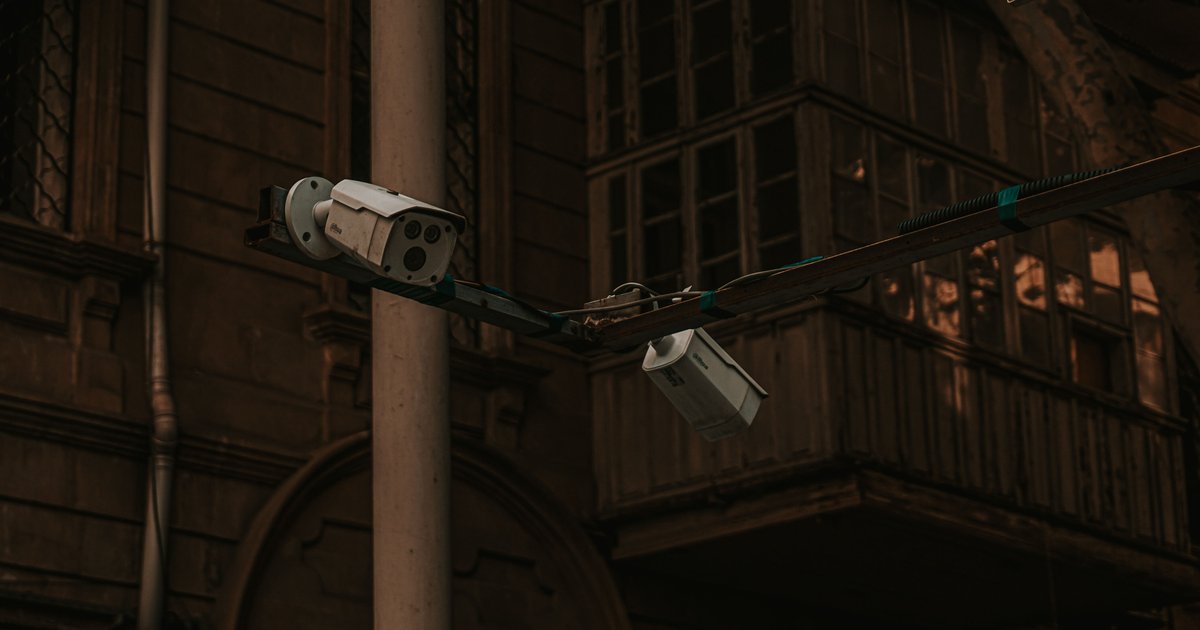
ANPR cameras tend to cluster in predictable spots. Once you know what to look for — a small, solar-powered black box on a slim pole, often with a little antenna — you'll start spotting them everywhere. The most common placements include:
- Neighborhood and HOA entrances: Private communities install them to log every vehicle entering or leaving.
- Major intersections and arterial roads: Municipalities use them for investigative leads on stolen vehicles and Amber Alerts.
- Highway on- and off-ramps: State and county agencies monitor interstate flow and interdiction corridors.
- Shopping centers and apartment complexes: Private security firms deploy them for trespass and loitering enforcement.
- School zones and parks: Smaller municipalities add them for perimeter security.
- Toll gantries and bridges: Agencies like E-ZPass and FasTrak have run plate-reading cameras for decades.
How to Find ANPR Camera Locations in Your Area
There's no single national registry, but you have several solid options. The EFF Atlas of Surveillance (atlasofsurveillance.org), run by the Electronic Frontier Foundation and the University of Nevada, Reno, maps thousands of known ALPR deployments by city and agency. DeFlock.me is a community-maintained map specifically focused on Flock Safety and similar cameras, with user-submitted pins and photos.
For state-specific detail, public-records law is your friend. In California, for example, Civil Code § 1798.90.5 requires any agency operating ALPR to publish a usage and privacy policy — meaning you can often pull up a city's policy PDF and see exactly how many cameras they run, where, and for how long data is retained (typically 30 days under state guidance, though some agencies keep it longer). In Illinois, the Freedom of Information Act (5 ILCS 140) has been used repeatedly to force departments to disclose ALPR vendor contracts and camera counts. Virginia's § 2.2-3808.2 restricts how long data can be retained to just 30 days unless tied to an active investigation.
Using an ALPR Camera Lookup to See Your Own Scan History
Finding the physical camera is one thing — finding out what it recorded about you is another. That's where an ALPR camera lookup comes in. PlateQuery aggregates ALPR records released through FOIA requests and public-records disclosures and attaches them to each plate's public page. Enter your plate and you'll see a timeline of when and where it was scanned, which agency's Flock Safety network captured it, and roughly when the read occurred.
This isn't speculation or guesswork — it's the same data law enforcement sees, just surfaced through legal transparency channels. People use it for all kinds of reasons: a parent checking whether a teen driver really went straight home, someone verifying their car wasn't moved while out of town, or a curious driver who wants to see how often their daily commute pings a reader. If you look up a plate and see dozens of hits across one county, that tells you the local agency has a dense ANPR cameras location footprint there.
What the Data Actually Shows (and What It Doesn't)
An ALPR camera lookup on PlateQuery will typically show the date and time of a scan, the capturing agency, and the general area. What it won't show is a photo of the driver, interior details, or exact pinpoint coordinates — that information is almost always redacted from FOIA releases to protect ongoing investigations and personal privacy. The database also only reflects records that have been publicly released; agencies that have never faced a records request may not appear at all.
Keep in mind that ALPR data is historical. There's a lag between when a camera captures a plate and when that record enters the public record through disclosure — usually weeks or months, sometimes longer. If you're trying to prove you were somewhere last Tuesday, this isn't the tool. If you want a pattern-level view of how your plate shows up in public surveillance, it is.
Protecting Your Plate's Privacy
If seeing your own scan history on a public page makes you uncomfortable, you can claim your plate on PlateQuery. Claiming works directly from your plate's own page: sign in, search your plate, open its page, and click Claim Ownership. That starts a Stripe Checkout subscription (about $1.99/month or $11.99/year) tied specifically to that plate. Once active, the ALPR lookup history and any messages left for your plate become visible only to you — the public page still exists, but those sensitive sections are hidden from everyone else.
This matters because the same ALPR camera lookup that lets you check your own scan patterns also lets strangers check yours. Claiming is the straightforward way to keep that history private while still being reachable through the platform for legitimate issues like a dinged door in a parking lot or forgotten lights.
FAQ: ANPR Cameras Location
Can I legally photograph or map ANPR cameras?
Yes. Cameras mounted in public rights-of-way or visible from public property can be photographed and documented. Projects like DeFlock and the EFF Atlas of Surveillance exist precisely because this kind of transparency is protected speech.
How close do I need to be for an ANPR camera to read my plate?
Most Flock-style cameras capture plates reliably from 20 to 75 feet in a single lane. Multi-lane highway systems have longer effective ranges with specialized optics.
Do ANPR cameras work at night?
Yes. They use infrared illumination that's invisible to the human eye but highlights the retroreflective coating on standard-issue license plates, so reads are typically just as accurate at 2 a.m. as at noon.
How long is ALPR data kept?
It varies by jurisdiction. Virginia caps retention at 30 days (§ 2.2-3808.2), many California agencies default to 30 days, while others retain data for a year or more. Always check the specific agency's published policy.
The Practical Takeaway
If you want to understand ANPR cameras location patterns in your area, start with the EFF Atlas and DeFlock to map the hardware — then use PlateQuery's ALPR camera lookup to see what those cameras have actually recorded about your plate. It's a two-sided view: the infrastructure on one hand, your real-world footprint in it on the other. And if you'd rather that footprint stay private, searching your plate on PlateQuery and claiming it from its own page keeps the data where it belongs — with you.