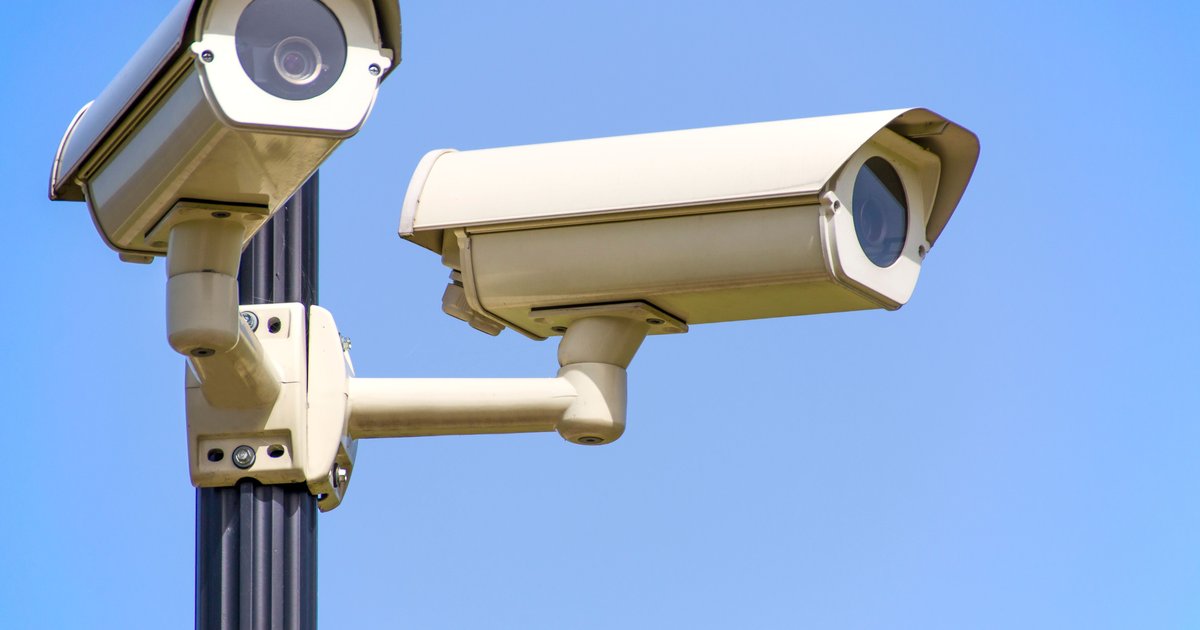
What Is an Automated License Plate Reader?
So, what is an automated license plate reader, exactly? At its core, an ALPR (sometimes written ANPR, for "automatic number plate recognition") is a specialized camera paired with software that reads license plates automatically — no human needs to type anything in. The device captures an image of every plate that passes within its field of view, converts the characters to text, and stores that text alongside metadata like GPS coordinates, timestamp, direction of travel, and often a vehicle description (color, make, body type).
Those records are then uploaded to a cloud database where police, private operators, or HOA security teams can run searches — looking up a specific plate, setting an alert for a plate on a hotlist, or querying patterns like "all silver sedans that passed this intersection between 2 and 4 a.m." Modern networks from vendors like Flock Safety, Motorola Vigilant, Rekor, and Genetec can share data across thousands of agencies, which means a plate scanned in one town is often queryable from another state within minutes.
How an Automatic License Plate Reader Actually Works
An automatic license plate reader has three main parts working together. First, there's the camera itself — usually a high-shutter-speed infrared-sensitive sensor that can freeze a plate at highway speeds, day or night, even through glare or rain. Infrared is important because retroreflective plate sheeting lights up brightly under IR illumination, making the characters stand out while the rest of the scene stays dark.
Second, there's the OCR engine. The software locates the plate within the image, normalizes it for angle and lighting, segments the characters, and matches them against known font patterns for different states or countries. Good systems return a confidence score and a cropped image of the plate so humans can verify a reading if needed.
Third, there's the backend. Each read becomes a database row: plate string, timestamp, GPS location, camera ID, and often a thumbnail. From there, officers can run a plate against a "hot list" (stolen vehicles, Amber Alerts, expired registrations) and get a near-instant ping if a match drives by. Historical queries let investigators reconstruct where a vehicle has been over the past 30 days — or longer, depending on the agency's retention policy.
Where You'll Find ALPR Cameras
ALPR cameras live in more places than most drivers realize:
- Fixed pole-mounted cameras at intersections, highway on-ramps, and neighborhood entrances. Flock Safety's small solar-powered units are the most common of these in the U.S.
- Patrol-car mounted ALPRs, usually two to four cameras bolted to a cruiser's light bar, scanning plates in both directions as the officer drives.
- Tolling and parking systems, like E-ZPass gantries and airport garage entrances, which use ALPR for billing rather than enforcement.
- Private operators — repo companies, insurance investigators, and shopping-mall security firms — who build their own databases and sometimes sell access to law enforcement.
Flock alone operates in more than 5,000 U.S. communities as of 2026, and a single mid-sized city deployment can produce tens of millions of reads per month.
What ALPR Data Is Used For
Legitimate uses are broad. Police use ALPR to recover stolen cars (often within hours of being flagged), to locate missing persons and suspects named in BOLOs, to assist investigations by placing a vehicle near a crime scene, and to enforce registration and insurance requirements. Toll authorities use it to bill drivers without transponders. HOAs use it to track who enters a gated community.
But the same data can be misused: tracking an estranged spouse, monitoring protest attendance, following journalists, or building long-term location profiles of ordinary drivers who've done nothing wrong. The ACLU and EFF have documented numerous cases of ALPR misuse, which is why retention policies and audit logs matter so much.
Is ALPR Legal, and Are the Records Public?
In the United States, ALPR use by government agencies is generally legal because license plates are displayed in public view and courts have ruled drivers have no reasonable expectation of privacy in them. But several states have passed laws regulating how long data can be kept and who can access it.
California, for example, has Civil Code § 1798.90.5–1798.90.55, which requires any ALPR operator — public or private — to publish a usage and privacy policy, maintain access logs, and implement security safeguards. Vermont's 23 V.S.A. § 1607 caps retention of non-hit ALPR data at 18 months. Maine's 29-A M.R.S. § 2117-A is stricter: it limits retention to 21 days unless the data is tied to an active investigation. New Hampshire effectively banned general ALPR surveillance under RSA 236:130, allowing only narrow uses like toll collection and bridge monitoring.
Because many agencies' ALPR records are considered public records, journalists and residents can file state Freedom of Information Act (FOIA) requests to obtain scan logs. Those FOIA releases are exactly how civilians have been able to see what a given plate's scan history looks like.
Can You See What ALPR Cameras Have Recorded About Your Own Car?
Historically, no — this data lived in police dashboards you couldn't access. But because so many ALPR records are now part of FOIA-released public datasets, platforms have started aggregating them so ordinary drivers can look up their own plates.
PlateQuery is one of those tools. Every plate page on the site includes a free, public ALPR lookup history section that shows when a plate was recorded and which agency's Flock Safety camera network captured it, drawn from public-records releases. You can type in your own tag out of curiosity, or check a plate you're wondering about — no account required for the public view.
FAQ: Common Questions About ALPRs
Do ALPR cameras photograph the driver too?
Most are tuned to capture just the plate for OCR accuracy, but many systems also save a wider "context" image showing the vehicle, and in some cases the driver's face is visible through the windshield.
How long is ALPR data kept?
It varies wildly — from 7 days in some restrictive jurisdictions to indefinitely in others. Flock's default retention is 30 days, but individual agencies can change it.
Can I opt out of being scanned?
Not practically. If you drive on public roads with a visible plate, you'll be scanned. You can, however, file public-records requests to see what's been collected and advocate for shorter retention policies in your jurisdiction.
Are license plate covers or sprays effective against ALPR?
Reflective sprays and tinted covers are illegal in most states (and often don't work anyway, since IR cameras see through many of them). A better path is policy change, not plate obfuscation.
The Practical Takeaway
Now that you know what an automated license plate reader is, you don't have to wonder whether your car shows up in those networks — you can check. Head to PlateQuery, search your plate, and scroll to the ALPR lookup history section to see the public FOIA-sourced record of when and where it was scanned. If you'd rather that history (and any messages people send about your car) stay private, you can claim your plate's page from that same screen for about $1.99/month or $11.99/year via Stripe. Once claimed, your plate's scan history and inbox become visible only to you, while the public page itself remains — giving you transparency when you want it, and privacy when you don't.