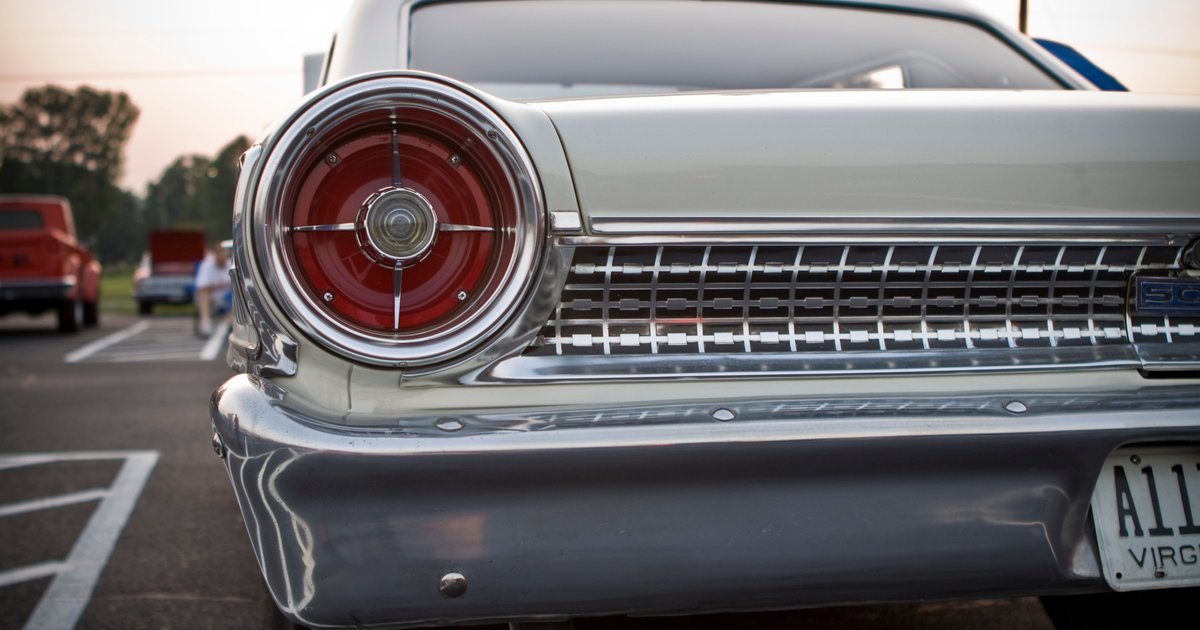
The Basics of Virginia License Plate Laws
Virginia is a two-plate state. Under Virginia Code § 46.2-715, every motor vehicle registered in the Commonwealth must display license plates on both the front and rear of the vehicle. Motorcycles, trailers, and certain antique vehicles are exceptions and only require a rear plate.
Plates must be securely fastened, kept clean, and clearly legible from at least 40 feet away. If your plate is bent, faded, or obscured by a tinted cover, you can be pulled over and fined.
Plate Display and Visibility Rules
Virginia takes plate visibility seriously. Here's what the law requires:
- Plates must be mounted horizontally, between 12 and 60 inches from the ground.
- No tinted, smoked, or reflective covers are allowed under § 46.2-716.
- Nothing may obstruct the plate number, state name, decals, or expiration stickers.
- Both plates must match the vehicle's current registration.
For example, a driver who installs a smoked plastic cover to avoid red-light cameras can be cited even if the plate is technically readable in person. Police officers regularly enforce this rule.
Registration and Renewal Requirements
Vehicle registration in Virginia must be renewed annually or biennially through the DMV. Your registration decal — placed on the rear plate — shows the month and year your registration expires. Driving with expired tags is a Class 4 misdemeanor and can result in fines starting around $100.
New residents have 30 days to register their vehicle in Virginia after establishing residency. Failing to do so can lead to citations and back taxes.
Vanity Plates and Specialty Plates in Virginia
Virginia has one of the highest rates of personalized plates in the country. The DMV offers thousands of specialty plate designs — from college alumni plates to conservation and military service plates.
Vanity Plate Rules
When applying for a vanity plate, the DMV reserves the right to reject combinations that are:
- Profane, obscene, or sexually suggestive
- References to illegal activity or controlled substances
- Insulting or promoting hate speech
- Duplicates of existing plates
Vanity plates typically cost an extra $10 per year on top of standard registration fees. Specialty plates may include additional revenue-sharing fees that support the sponsoring organization.
Transferring, Surrendering, and Replacing Plates
When you sell a vehicle in Virginia, you keep your plates — they belong to you, not the car. You can:
- Transfer them to another vehicle you own
- Surrender them at any DMV location
- Replace them if damaged or stolen (report stolen plates to police first)
Never leave old plates on a vehicle you've sold. Doing so can leave you liable for tolls, parking tickets, and even criminal activity committed by the new owner.
Parking, Towing, and Abandoned Vehicles
Virginia law allows tow operators and law enforcement to remove vehicles that are illegally parked, blocking traffic, or considered abandoned. A vehicle is generally deemed abandoned if it sits on public property for more than 48 hours or on private property without permission.
If you spot a vehicle blocking your driveway, parked in a fire lane, or apparently abandoned, you have options beyond calling the tow truck. You can use a Virginia license plate lookup to leave a message for the owner or report the issue directly.
Penalties for Violating Virginia Plate Laws
Common penalties include:
- Expired registration: Fines starting at $100
- Obscured or altered plate: Up to $250 fine
- No front plate: $100 fine (though enforcement varies by jurisdiction)
- Fictitious or fraudulent plates: Class 1 misdemeanor — up to 12 months in jail and $2,500 fine
Frequently Asked Questions
Is a front license plate required in Virginia?
Yes. Passenger vehicles must display both a front and rear plate. Only motorcycles, trailers, and some antique vehicles are exempt.
Can I put a clear cover over my Virginia plate?
Technically no. Virginia law prohibits any material that alters the plate's appearance or readability, including clear covers that create glare.
What happens if someone reports my plate?
Reports themselves don't create legal penalties, but repeated complaints — especially about illegal parking or reckless driving — may lead to investigation. Platforms like PlateQuery let concerned citizens leave messages without involving law enforcement.
Can I look up who owns a Virginia license plate?
Personal owner information is protected under the federal Driver's Privacy Protection Act (DPPA). However, you can still contact the owner indirectly through services designed for that purpose.
How PlateQuery Can Help
Understanding Virginia license plate laws is only half the equation — sometimes you need to actually reach the person behind the plate. Whether you've spotted a parking violation, want to leave a compliment about safe driving, or need to alert an owner that their lights are on, PlateQuery lets you send a message tied to any Virginia plate. Owners can also claim their plate profile to receive notifications directly. It's a modern, privacy-respecting way to connect drivers without breaking any laws.