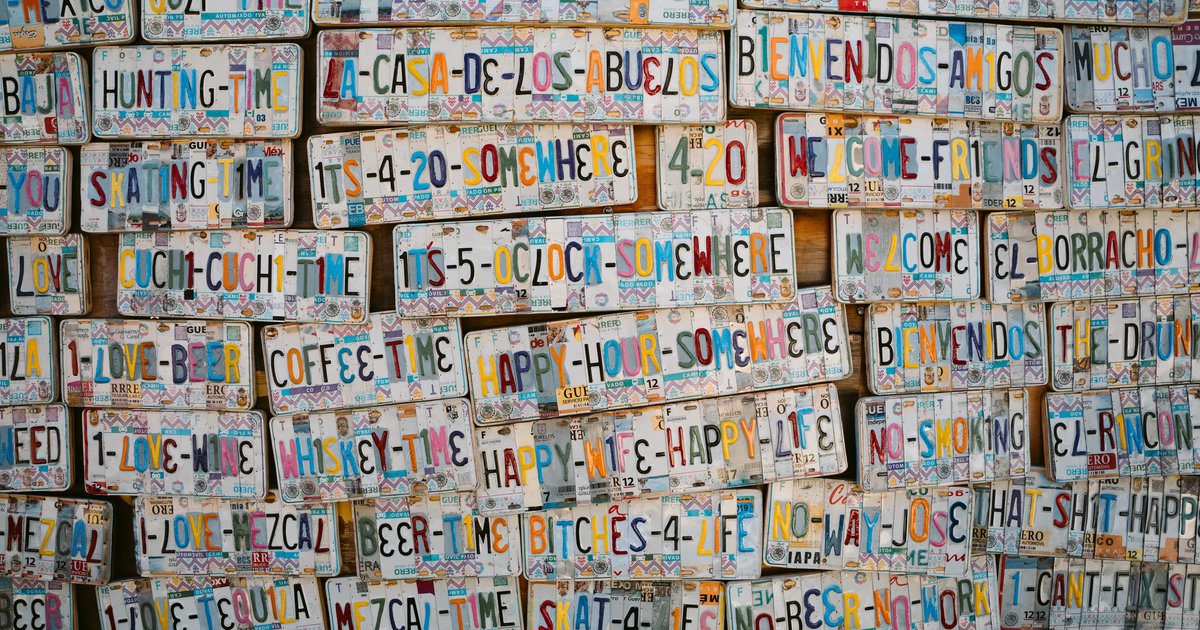
What Are Vanity Plates in California?
A vanity plate (also called a personalized plate) is a license plate with a custom combination of letters and numbers chosen by you, rather than randomly assigned by the DMV. California drivers use vanity plates to show off nicknames, hobbies, professions, or inside jokes like SURFR22, DOCMOM, or TACOFAN.
California is one of the most popular states for personalized plates in the country. With nearly 30 million registered vehicles and a culture that celebrates individuality, spotting a clever California license plate on the freeway is practically a pastime.
How Much Do Vanity Plates California Cost?
As of the current DMV fee schedule, California vanity plates cost:
- $53 initial application fee for a standard personalized Environmental License Plate (ELP)
- $43 annual renewal fee on top of your regular registration
- Specialty background plates (like Yosemite, Coastal, or Kids) cost more — typically $103 initial and $83 renewal when personalized
The Environmental License Plate program is unique to California: revenue helps fund state environmental programs, so your vanity plate literally supports conservation efforts.
How to Apply for a California Vanity Plate
Step 1: Choose Your Configuration
You get up to 7 characters (letters, numbers, spaces, or a half-space symbol). Sequential plates must include at least one letter — you can't have all numbers.
Step 2: Check Availability
Use the California DMV's online tool at dmv.ca.gov to see if your desired combination is available. Popular combos like LAKERS or CALI were snapped up decades ago.
Step 3: Submit Your Application
Apply online through the DMV portal, by mail using form REG 17, or in person at a DMV office. You'll need to provide meanings for each character to help reviewers approve it.
Step 4: Wait for Processing
Approval typically takes 6–8 weeks, and manufacturing/delivery adds another 4–6 weeks. Plan for roughly 10–14 weeks total.
What California Won't Approve
The DMV rejects thousands of vanity plate applications every year. Under California Code of Regulations Title 13, plates can be denied if they:
- Contain profanity, sexual references, or vulgarity
- Reference drugs, alcohol, or violence
- Insult a race, religion, ethnicity, or gender
- Have gang-related meaning
- Duplicate an existing plate (including specialty and out-of-state)
- Could be confused with official government plates
A 2020 federal court ruling (Ogilvie v. Gordon) forced the DMV to loosen some restrictions, allowing previously banned combinations that were deemed "offensive to good taste and decency." Still, hate speech and explicit content remain off-limits.
Specialty vs. Vanity Plates: What's the Difference?
These terms get confused often. A vanity plate is any plate with a custom character combination. A specialty plate refers to a plate with a special background design — like the Yosemite Foundation, Breast Cancer Awareness, or Collegiate plates.
You can combine them: get a specialty background and a personalized message. For example, a Yosemite-background plate reading HIKE4EV is both specialty and vanity.
Popular California Vanity Plate Ideas
Looking for inspiration? Californians love:
- Location plates: SFBAY, LA4EVR, SDLIFE
- Career plates: RNMOM, CODER1, ESQ2020
- Car culture: V8DRMR, EVLIFE, JDMFAN
- Personal: initials, birth years, kids' names
What If You Spot a Vanity Plate Behaving Badly?
Vanity plates are memorable — which cuts both ways. If a personalized plate is involved in illegal parking, reckless driving, or looks like it belongs to an abandoned vehicle, that unique combination makes it far easier to report or look up. A plate like MYRIDE7 sticks in your memory in a way that 7XKR294 never will.
You can perform a California license plate lookup on PlateQuery to leave a message about the vehicle, alert the owner about a parking issue, or file a bad driver report — no personal DMV data required.
Frequently Asked Questions
Can I transfer my California vanity plate to a new car?
Yes. File form REG 17 with the DMV to transfer your personalized plate to another vehicle you own, or place it on retention for up to 90 days between vehicles.
Can I sell my California vanity plate?
No. Unlike some states, California does not allow the sale or transfer of vanity plates to another person. The plate is tied to the registered owner.
How long can I keep the same vanity plate?
Indefinitely, as long as you pay the annual renewal fee and keep your registration current. Many Californians have held the same plate for 30+ years.
What happens if my application is rejected?
The DMV will refund your fee and send a rejection notice. You can appeal or submit a new application with different characters.
The Takeaway
A California vanity plate is an affordable, long-lasting way to make your vehicle uniquely yours — but it also makes you more identifiable on the road. Whether you drive a personalized plate or you've spotted one you need to contact the owner of, PlateQuery gives you a private, respectful way to send a message, report an issue, or claim your own plate profile. Look up any California plate and start the conversation without ever exchanging personal information.