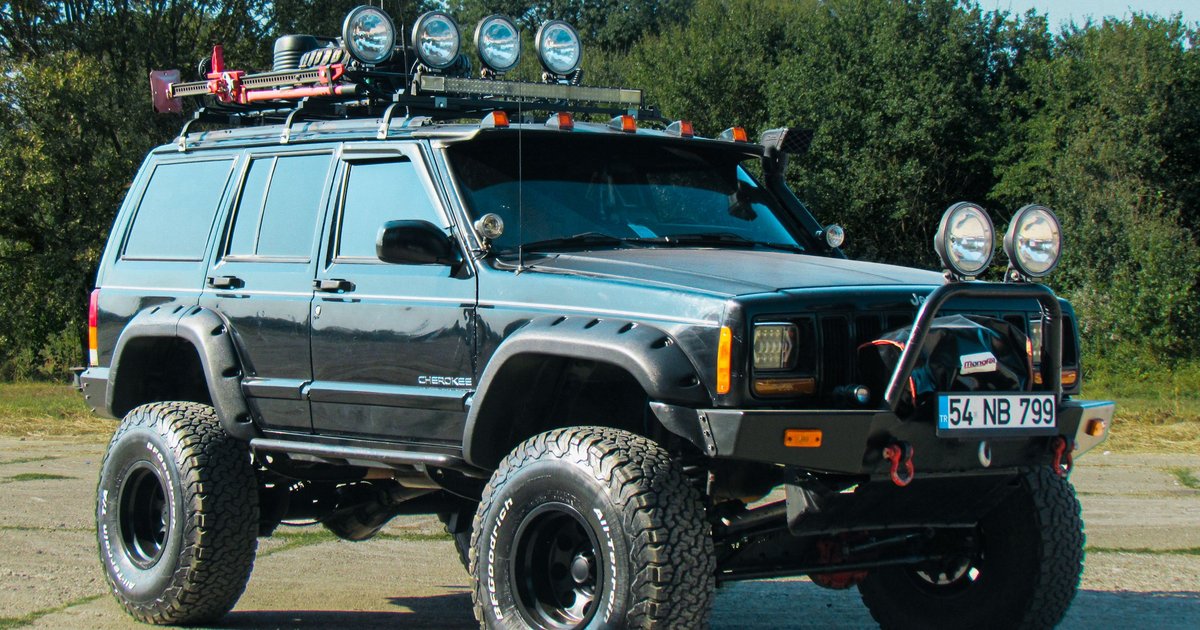
What 'TROLL' Actually Means on a Plate
When someone pays extra for a plate that reads TROLL, they're rarely being random. In 2026, the word carries three dominant meanings, and the driver is almost always leaning into one of them on purpose. Context — the car, the bumper stickers, even the state — usually tells you which.
The three most common readings are: the internet 'troll' (someone who stirs the pot online for laughs), the mythological troll from Norse folklore and Tolkien-style fantasy, and the fishing term 'trolling' (dragging a lure behind a moving boat). A fourth, quieter meaning: off-roaders sometimes call slow, low-gear crawling over rocks 'trolling' too, which is why you'll spot TROLL plates on lifted Jeeps and Broncos.
The Internet Troll Interpretation
This is the reading most people jump to first, and for good reason. Since roughly 2010, 'troll' has been shorthand for someone who posts inflammatory or absurd content just to get a reaction. A driver who chooses TROLL as a vanity plate is often signaling a personality — mischievous, sarcastic, maybe a little chaotic — the same way another driver picks LOL or MEME.
You'll see this version paired with dark-tint windows, aftermarket exhaust, or bumper stickers that lean into the joke. It's a self-own with a wink. The driver knows other motorists will read it and either laugh or roll their eyes, and that reaction is kind of the point.
The Fantasy and Folklore Angle
Not every TROLL plate is about starting fights on Reddit. Fans of Dungeons & Dragons, World of Warcraft, The Elder Scrolls, and Tolkien's Middle-earth have been claiming the word for decades. In Norse mythology, trolls are massive, often dim-witted creatures that lurk under bridges or in mountains — a fitting mascot for a big, lumbering truck or SUV.
Scandinavian-Americans, particularly in Minnesota, Wisconsin, and the Dakotas, sometimes pick TROLL as a cultural nod. In parts of Norway, 'troll' is even a term of endearment for a stubborn or spirited kid. That heritage angle rarely occurs to strangers reading the plate, but it's meaningful to the owner.
Trolling on the Water and the Trail
Ask any angler what 'trolling' means and you'll get a completely different answer: pulling bait behind a boat at slow speed to attract fish. TROLL plates show up on trucks towing bass boats, on lakeside cabins' second cars, and on vehicles with rod-holder hitches. It's the least controversial reading of the word and often the correct one when the driver is over 50.
Off-road culture borrowed the term too. 'Trolling' on the Rubicon or Moab means creeping in low gear, tires walking across boulders, no throttle drama. If you see TROLL on a Jeep with 37-inch tires and rock sliders, that's what they mean — not that they're mad online.
Will the DMV Actually Approve 'TROLL'?
Most states will let TROLL through, because the word by itself isn't obscene, threatening, or a slur. State DMVs run vanity plate requests through a review process that flags profanity, drug references, and hate speech, but a plain dictionary word like 'troll' generally passes.
California is a useful example because its rules are strict and public. Under California Vehicle Code § 5105, the DMV can refuse any Environmental License Plate configuration that 'carries connotations offensive to good taste and decency.' A standard California personalized plate runs $53 for the initial application plus a $43 annual renewal, and processing typically takes about 10–12 weeks once approved. TROLL on its own is very likely to clear review; something like TR0LLU or TROLLIN might get flagged for context. If you're curious how other borderline words fare, our breakdowns of POSTER on a license plate and CURSOR on a license plate walk through similar approval logic.
Variations You'll See on the Road
Because TROLL is only five letters, plenty of drivers have snagged the exact spelling in their home state. Once that's taken, people get creative. Common variants include:
- TR0LL — swapping the O for a zero to grab an available combo
- TROLLR or TROLLN — adding a letter to imply the ongoing act
- IMATROLL — the honest-declaration version, popular on seven- and eight-character plates
- MTNTROLL or RKTROLL — the off-roader and rock-crawler versions
- LKTROLL or BASTROLL — fishing variants
States with longer character limits open up more room. New York allows up to eight characters on a standard passenger plate, and if you want to grab something like NETTROLL or DNDTROLL, our guide to NY vanity plates covers the current fees and ordering steps.
How to Tell What a Specific TROLL Driver Means
If the meaning matters to you — maybe you're behind a TROLL plate and can't tell if the driver is joking or genuinely trying to provoke — look at the whole vehicle:
- The car itself. Lifted 4x4 with mud on the tires? Off-road trolling. Sedan with a fishing decal? Water trolling. Sports car with tinted everything? Internet troll.
- Frame and plate holder. A gaming-branded frame or a Tolkien quote points to fantasy fandom.
- State of issue. Minnesota, Wisconsin, and North Dakota TROLL plates skew Scandinavian-heritage more often than plates from Florida or Texas.
- Driving behavior. Actual internet-troll energy tends to leak into driving style. If they're brake-checking strangers, the plate is on-brand.
FAQ
Is 'TROLL' considered offensive on a license plate?
Not by DMV standards in any U.S. state we're aware of. It's a common English word with multiple neutral meanings (fishing, folklore, off-roading), so it clears the 'good taste and decency' bar that governs vanity plate review.
How much does a TROLL vanity plate cost?
It depends on the state. Fees typically range from about $25 to $100 for the initial personalization, plus normal registration. California charges $53 up front and $43 to renew; New Hampshire is much cheaper — see our New Hampshire vanity plate guide for exact numbers.
Can I find out who owns a TROLL plate I saw?
Not directly — state DMV records are protected under the federal Driver's Privacy Protection Act (DPPA). But you can look the plate up on a public platform like PlateQuery to see if the owner has claimed a profile and left contact info, or to leave them a message they can retrieve.
What if someone is using a TROLL plate to actually harass people?
Aggressive driving tied to any plate can be reported to local law enforcement with the plate number, state, date, time, and location. The plate itself being cheeky isn't a violation; the driving behavior is what matters.
The Takeaway
TROLL on a license plate is almost always intentional and almost never mean-spirited — it's a driver telling you something about their hobbies, humor, or heritage in five characters. Whether the meaning is Norse mythology, weekend bass fishing, rock crawling, or pure internet mischief, the plate is a conversation starter by design.
If you spotted a TROLL plate and want to send the owner a message — a compliment, a question, or a heads-up that their taillight is out — you can look it up on PlateQuery and leave a note tied to that exact plate. And if TROLL is your plate, you can search for it on PlateQuery, open its page, and click Claim Ownership to start a Stripe subscription (about $1.99/month or $11.99/year) that hides your messages and ALPR scan history from the public and routes them only to you. Same plate, same page — just yours to control.