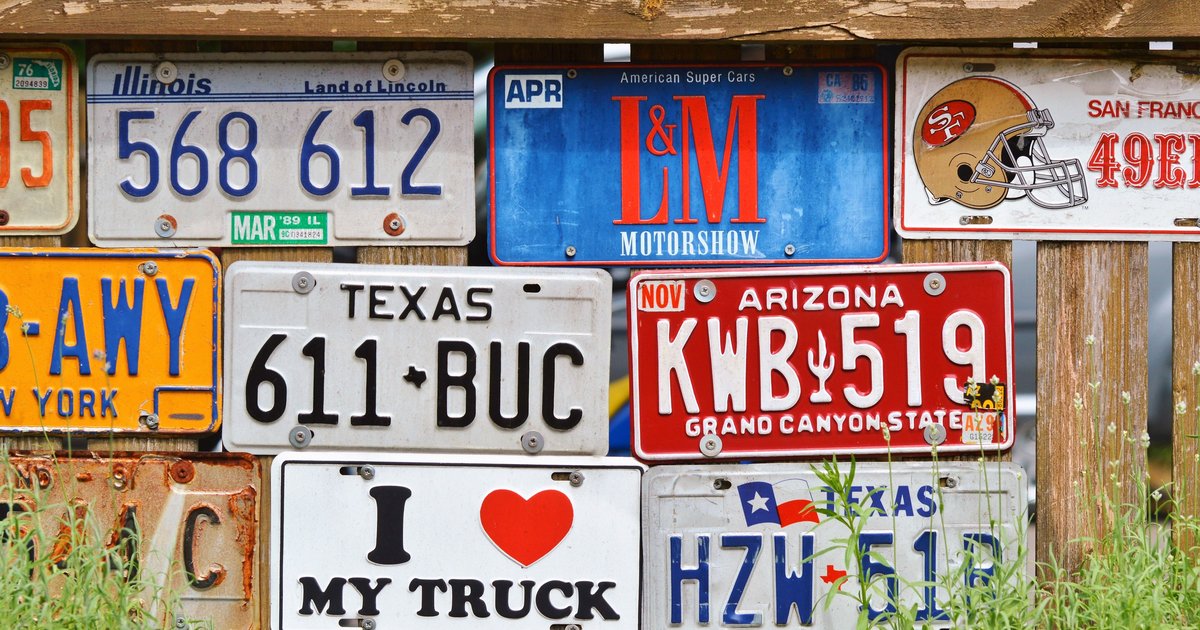
The Basics of Texas License Plate Laws
Texas is a two-plate state. Under Texas Transportation Code § 504.943, every registered vehicle must display a valid license plate on both the front and rear of the vehicle. Motorcycles, trailers, and certain commercial vehicles only require a rear plate. Driving without a front plate is a misdemeanor and can result in a fine of up to $200.
Both plates must be clearly visible, legible from a reasonable distance, and free from anything that obscures the letters, numbers, state name, or registration sticker. That includes dirt, tinted covers, decorative frames that hide characters, or bicycle racks that block the plate.
Display and Visibility Requirements
Texas law is specific about how plates must be mounted and maintained. Key rules include:
- Mounting height: Plates must be securely fastened in an upright horizontal position.
- Illumination: The rear plate must be lit at night so it's readable from 50 feet away.
- No covers: Clear or tinted plate covers are illegal in Texas if they obscure any part of the plate.
- No alterations: You can't modify, deface, or change the color of your plate.
- Registration sticker: Must be affixed to the lower left corner of the rear windshield (or the plate itself for motorcycles).
Violations often result in tickets during routine traffic stops. Officers can also cite drivers whose plates are mud-covered or bent.
Specialty and Vanity Plates in Texas
Texas offers one of the largest specialty plate programs in the country through My Plates, the state-authorized vendor. Drivers can choose from hundreds of designs, including plates that support universities, military service, professional sports teams, and charitable causes.
Vanity plates (personalized combinations of letters and numbers) are allowed but subject to review. The Texas Department of Motor Vehicles rejects combinations that are vulgar, reference drugs or violence, or could be confused with government plates. If your requested combination is denied, you can appeal to the DMV board.
Curious about a specialty or vanity plate you've spotted on the road? You can perform a Texas license plate lookup to research plate information or leave a note for the owner.
Temporary Tags and New Vehicles
When you buy a vehicle in Texas, dealers issue a temporary paper tag valid for up to 60 days. Buyer's temporary tags (for private-party sales) are valid for 5 days. Driving with an expired temporary tag is a common violation—and a red flag for law enforcement, since paper tag fraud has been a growing issue in Texas.
Lost, Stolen, or Damaged Plates
If your plate is lost or stolen, Texas requires you to:
- File a report with local law enforcement (especially if stolen).
- Apply for replacement plates through your county tax office using Form VTR-60.
- Pay the $6.50 replacement fee.
Continuing to drive with a missing plate can lead to citations, so replace it promptly.
Abandoned Vehicles and Illegal Parking in Texas
Texas law defines an abandoned vehicle as one left on public property for more than 48 hours, or on private property without permission. If you spot an abandoned vehicle in your neighborhood, you can report it to local police or the Texas Department of Transportation.
For illegal parking—like blocking a driveway, parking in a fire lane, or taking up a disabled space without a permit—Texas cities enforce their own fines, typically ranging from $25 to over $500 for accessibility violations. Before calling a tow, many neighbors try to contact the vehicle owner directly to resolve issues quickly.
Frequently Asked Questions
Is it illegal to have a tinted license plate cover in Texas?
Yes. Any cover that obscures the plate's characters, state name, or registration sticker violates Texas law, even if it appears clear from close up.
Can I drive in Texas with only a rear plate?
No, unless your vehicle qualifies as a motorcycle, trailer, or specific exempt vehicle. Passenger cars must display both front and rear plates.
Are frames around license plates legal in Texas?
Frames are legal only if they don't cover any letters, numbers, the word "Texas," or the registration sticker.
How do I report a bad driver in Texas?
You can call local law enforcement for dangerous driving, or use a platform like PlateQuery to leave a public note tied to the plate for the owner to see.
How PlateQuery Can Help
Whether you need to alert a neighbor about a parking issue, report reckless driving you witnessed on I-35, or check the history of a plate you keep seeing, PlateQuery gives you a way to communicate without needing personal contact information. You can leave a message, file a report, or even claim your own Texas plate profile to receive notifications from other drivers. It's a practical tool for staying informed and connected on Texas roads.