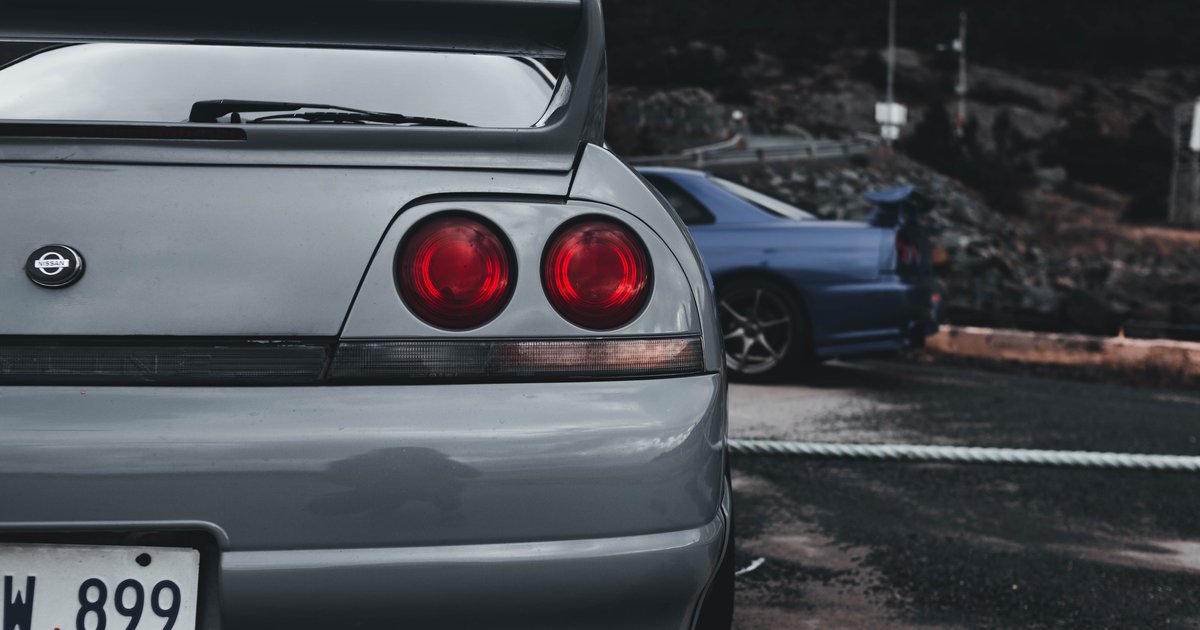
What Are Specialty License Plates in Washington State?
Specialty license plates are custom-designed plates issued by the Washington State Department of Licensing (DOL) that let drivers show support for a cause, organization, university, or interest. Unlike standard-issue plates, a portion of the fees typically funds nonprofit organizations, state parks, veterans' programs, or wildlife conservation efforts. Washington drivers can choose from dozens of designs — including collegiate plates, professional sports team plates, and heritage plates.
Not to be confused with vanity plates (which feature personalized letter and number combinations), specialty plates feature unique background artwork. You can, however, combine the two by adding personalized characters to most specialty designs for an additional fee.
Popular Specialty License Plates in Washington
Washington's specialty plate program is one of the more diverse in the country. Some of the most popular options include:
- Seattle Seahawks and Seattle Mariners plates — for die-hard sports fans.
- Washington State Parks plates — proceeds support park maintenance and expansion.
- Wildlife plates — featuring orcas, elk, bears, and eagles, with fees benefiting conservation.
- Collegiate plates — including UW Huskies, WSU Cougars, and Gonzaga Bulldogs.
- Armed Forces and veterans plates — recognizing military service branches.
- Firefighter, law enforcement memorial, and Purple Heart plates — honoring service and sacrifice.
Each design has its own eligibility rules. For example, Purple Heart plates require documentation of the award, while collegiate plates are open to any Washington driver regardless of alumni status.
How Much Do Specialty Plates Cost?
In Washington State, specialty plates typically cost an initial fee of $40 on top of standard registration, with a $30 annual renewal fee. Personalized specialty plates (combining a specialty design with custom letters or numbers) add another $52 initial fee plus $42 renewal. Amateur radio and some veterans' plates may be discounted or free.
A significant portion of these fees goes directly to the sponsoring organization or cause. For example, purchasing a Washington State Parks plate contributes roughly $28 per year to the parks system.
How to Apply for a Specialty Plate
Applying is straightforward. You can order most specialty plates online through the Washington DOL website, at a vehicle licensing office, or by mail. You'll need your current registration, vehicle information, and payment. If the plate requires proof of eligibility (such as military service), submit those documents with your application.
Processing typically takes 6 to 10 weeks. In the meantime, you can continue using your existing plates. Once your new plates arrive, you must return the old ones to the DOL unless you're keeping them as collector items with a fee.
Specialty Plates vs. Vanity Plates
People often confuse specialty and vanity plates. A vanity plate (called a "personalized plate" in Washington) lets you choose the letters and numbers — up to seven characters — on a standard background. A specialty plate features a unique background design tied to a cause or organization. You can combine both by getting a personalized specialty plate.
Note that Washington's DOL reviews all personalized combinations and can reject anything deemed offensive, misleading, or duplicative of existing plates.
Reporting Issues With Any Washington Plate
Whether you spot a specialty plate involved in illegal parking, a hit-and-run, or reckless driving, you can look up license plate information or contact the vehicle owner through platforms like PlateQuery. This can be especially useful for reporting abandoned vehicles, dinged doors in parking lots, or leaving a polite note without confrontation.
Washington's license plate laws prohibit obtaining personal owner information from the DOL for non-authorized purposes, but PlateQuery offers an anonymous, respectful way to message the owner directly — no personal data exchanged.
Frequently Asked Questions
Can I transfer my specialty plate to a new vehicle?
Yes. Washington allows plate transfers between vehicles you own, provided both are the same class (e.g., passenger vehicle to passenger vehicle). A small transfer fee applies.
Are specialty plate fees tax-deductible?
The portion of your fee that goes to a qualifying nonprofit may be deductible. Consult a tax professional and keep your receipt from the DOL.
What if my specialty plate is lost or stolen?
Report it to the DOL immediately and request replacement plates. Replacement fees vary by plate type.
The Bottom Line
Specialty license plates in Washington State are a meaningful way to support causes you care about while personalizing your ride. Before choosing a design, compare fees, check eligibility, and confirm where the proceeds go. And if you ever need to contact the driver of any Washington plate — specialty, vanity, or standard — PlateQuery makes it easy to send anonymous, respectful messages, report parking issues, or claim your own plate profile so other drivers can reach you when it matters.