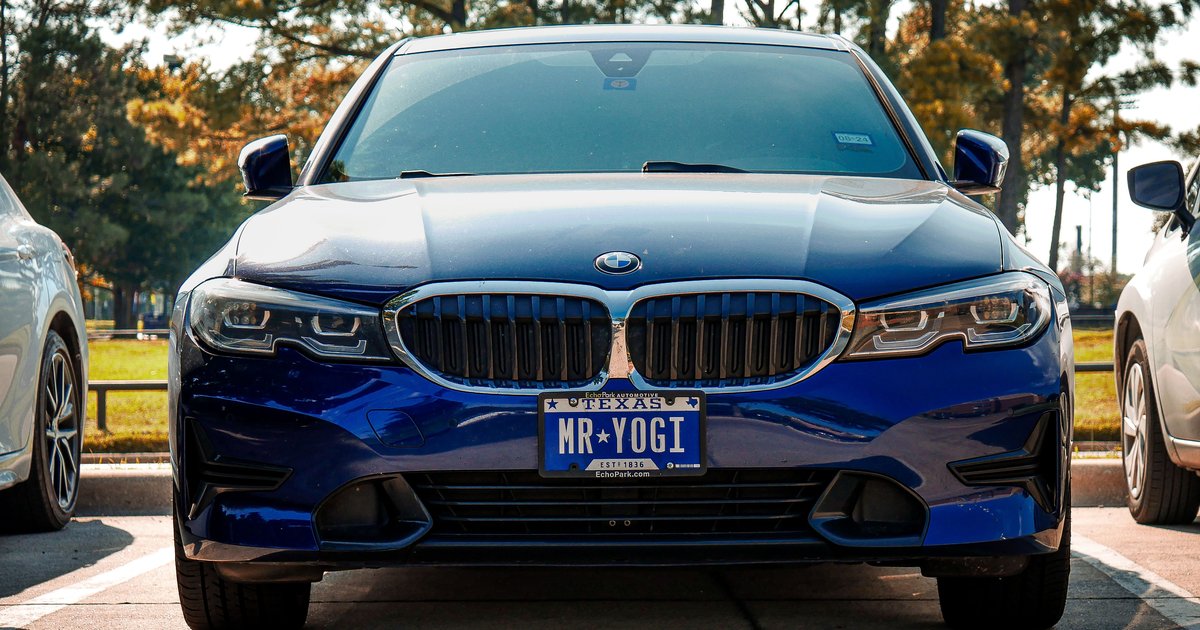
What Are Specialty License Plates?
Specialty license plates are state-issued plates that go beyond the standard design to support a cause, organization, profession, or interest. Unlike vanity plates, which let you choose custom letters and numbers, specialty plates feature unique artwork, logos, or slogans. Many states offer hundreds of options, and a portion of the fees typically supports a related charity, state agency, or nonprofit.
For example, a driver in Florida might choose a "Save the Manatee" plate, while a Texan could pick a University of Texas Longhorns design. These plates not only personalize your vehicle but also signal your affiliations to others on the road.
How Specialty License Plates Differ by State
Each state's DMV sets its own rules for issuing, designing, and pricing specialty plates. Some states have a robust catalog with 200+ options, while others keep things minimal.
States With the Most Specialty Plates
- Texas: Offers over 400 specialty designs through MyPlates.com, including collegiate, military, and conservation themes.
- Florida: Provides more than 120 specialty plates, with proceeds supporting causes like wildlife conservation and education.
- Virginia: Known for having one of the largest specialty plate programs in the country, with over 200 options.
- California: Features popular environmental and arts council plates, with fees supporting state programs. You can browse California license plates to see real examples in circulation.
States With Limited Specialty Options
States like Vermont, Wyoming, and North Dakota typically offer fewer than 30 specialty designs, often focused on veterans, agriculture, or wildlife.
Common Categories of Specialty Plates
While each state's offerings differ, most specialty plate programs fall into recognizable categories:
- Military and Veterans: Plates for Purple Heart recipients, Pearl Harbor survivors, Gold Star families, and branch-specific designs.
- Collegiate: Designs featuring state universities and colleges, with proceeds often funding scholarships.
- Environmental and Wildlife: Plates supporting state parks, endangered species, or conservation funds.
- Professional: Firefighter, EMS, law enforcement, and educator plates.
- Cause-Based: Breast cancer awareness, autism support, organ donation, and other charitable plates.
- Sports Teams: Professional sports team plates, especially in states like Florida, Texas, and Ohio.
How Much Do Specialty Plates Cost?
Specialty plate fees usually include an initial issuance cost plus an annual renewal fee on top of standard registration. Costs vary by state and plate type:
- Texas: Specialty plates range from $30 to $195 per year, depending on design.
- Florida: Most specialty plates cost an additional $15 to $25 annually.
- California: Specialty plate fees typically run $50 for initial issuance and $40 for renewal.
- New York: Most specialty plates cost $31.25 to $93.75 annually above standard fees.
Personalized specialty plates (combining a specialty design with custom characters) usually carry an extra surcharge.
How to Apply for a Specialty Plate
The application process is similar across most states:
- Visit your state's DMV website and browse the specialty plate catalog.
- Verify eligibility, especially for military, professional, or organization-restricted plates that may require proof of membership or service.
- Complete the specialty plate application form.
- Pay the applicable fees, including any cause-specific donations.
- Wait for your plates to arrive, typically within 4 to 8 weeks.
Specialty Plates vs. Vanity Plates
It's easy to confuse these two. Vanity plates let you choose the actual letters and numbers (like "COOLCAR"), while specialty plates feature distinct designs or logos. Many states let you combine both — a specialty design with personalized characters — for an extra fee. Each option is governed by state license plate laws regarding offensive content, character limits, and approval.
FAQs About Specialty License Plates
Can I transfer my specialty plate to a new vehicle?
Yes, most states allow you to transfer specialty plates when you change vehicles, as long as the new vehicle qualifies for that plate type.
Are specialty plates tax-deductible?
The donation portion of certain cause-based specialty plates may be tax-deductible. Check with your state DMV and a tax advisor for specifics.
Can I look up a specialty plate to identify the owner?
Personal owner information is protected under the Driver's Privacy Protection Act. However, platforms like PlateQuery let you leave messages or report concerns about a vehicle without exposing private data.
What happens if my specialty plate program is discontinued?
If a state ends a specialty plate program due to low enrollment, current holders can usually keep their plates until the next renewal cycle.
How PlateQuery Can Help
Whether you're driving behind a unique collegiate plate or noticed a specialty plate involved in an illegal parking situation, PlateQuery makes it easy to connect with vehicle owners. You can perform a license plate lookup, leave a respectful message, report a bad driver, or flag an abandoned vehicle — all without compromising anyone's privacy. If you own a specialty or vanity plate, you can also claim your own plate profile so others can reach you when it matters.