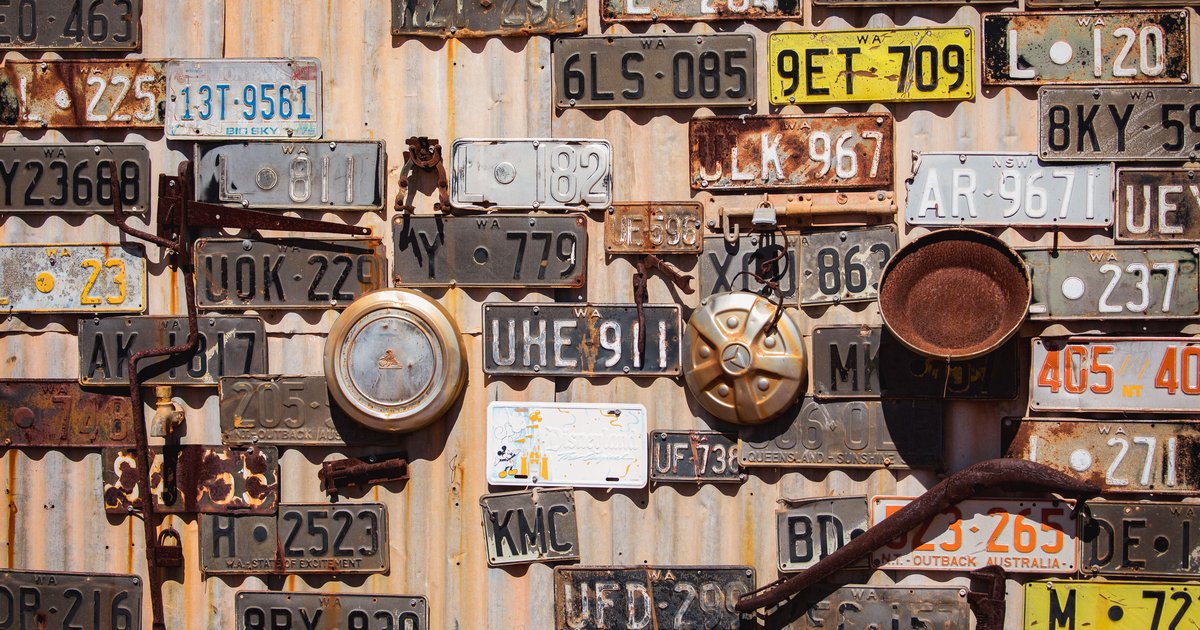
What a License Plate Lookup in Kansas Can Tell You
A license plate lookup in Kansas can reveal different types of information depending on who's asking and why. The Kansas Department of Revenue (KDOR), Division of Vehicles, maintains official records tied to every registered plate in the state. These records include vehicle make, model, year, title history, registration status, and owner information — but access to personal details is tightly restricted under federal law.
For most everyday users, a Kansas license plate lookup is useful for:
- Researching a vehicle before buying it used
- Identifying a car involved in a parking incident or fender bender
- Reporting reckless or bad driver behavior on Kansas highways
- Tracking down the owner of an abandoned vehicle on your property
- Looking up vanity plates or specialty plates you've seen around town
Kansas License Plate Laws and Privacy Rules
Kansas follows the federal Driver's Privacy Protection Act (DPPA), which limits who can access personal information tied to a license plate. You generally cannot just call the Kansas DMV and ask who owns a plate. Owner names, addresses, and phone numbers are protected.
However, certain parties can request this information for specific permissible purposes, including:
- Law enforcement and government agencies
- Licensed private investigators
- Insurance companies handling claims
- Attorneys involved in legal proceedings
- Tow companies recovering abandoned vehicles
Kansas also requires both front and rear license plates on most passenger vehicles, with limited exceptions for motorcycles, trailers, and some antique vehicles. Driving without a valid plate or with an obscured plate can result in a citation.
How to Do a License Plate Lookup in Kansas
1. Through the Kansas Department of Revenue
For official records, you can submit a Form TR-159 (Record Request) to the Kansas DOR. You'll need to state a permissible purpose under the DPPA and pay a small fee. This is the route used by attorneys, investigators, and anyone with a legal need for owner information.
2. Through Law Enforcement
If you witnessed a crime, hit-and-run, or dangerous driving, contact the Kansas Highway Patrol or your local police. Provide them with the plate number, time, location, and a description of the incident. Officers have direct access to the state's vehicle database.
3. Through Online Plate Lookup Tools
Public-facing tools like PlateQuery's Kansas plate directory let you search any Kansas plate to see community reports, leave a message for the owner, or claim the plate as your own. This is the fastest option when you don't need legal records — just a way to communicate.
For example, if you spotted Kansas plate 123ABC blocking a driveway in Wichita, you could pull up its profile, leave a note describing the illegal parking, and notify the owner without ever needing their personal information.
Common Reasons Kansans Use Plate Lookups
Illegal Parking and Driveway Blockers
From downtown Topeka to neighborhoods in Overland Park, blocked driveways and fire lanes are a daily frustration. A plate lookup gives you a way to flag the behavior publicly or message the owner directly.
Bad Driver Reports
If someone cut you off on I-70 or tailgated through Lawrence, posting a report tied to their plate creates a record other drivers can see. Repeated reports build a pattern that owners — and sometimes their insurers — pay attention to.
Abandoned Vehicles
Cars left on private property in Kansas can be towed after proper notice. Looking up the plate helps you identify the vehicle and document your case before involving local authorities.
Vanity and Specialty Plates
Kansas offers dozens of specialty plates — from Kansas State University and KU Jayhawks designs to military, firefighter, and wildlife conservation plates. A lookup can confirm whether a plate is a personalized vanity tag or an official specialty issue.
FAQ: License Plate Lookup in Kansas
Can I find out who owns a car by their Kansas license plate?
Not directly, unless you have a permissible purpose under the DPPA. You can, however, leave a message tied to the plate through services like PlateQuery, and the owner can choose to respond.
Is it legal to look up a license plate in Kansas?
Yes, looking up basic plate information is legal. Accessing the owner's personal information requires a valid legal purpose.
How much does an official Kansas plate record cost?
The Kansas DOR typically charges a small per-record fee. Check the current TR-159 form for exact pricing.
What if the plate is from another state?
Each state has its own database. You can search plates from any state on PlateQuery, including neighbors like Missouri, Oklahoma, and Nebraska.
The Practical Takeaway
Official Kansas license plate lookups through the DOR are powerful but slow, paperwork-heavy, and restricted. For most everyday situations — a blocked driveway, a reckless driver, an abandoned vehicle, or just trying to reach someone whose car you recognize — you don't need legal records. You need a way to communicate.
That's where PlateQuery comes in. You can search any Kansas plate, leave a message for the owner, report parking issues, or claim your own plate to control what's said about it. It's the fastest, most respectful way to connect with a vehicle owner — without crossing privacy lines.