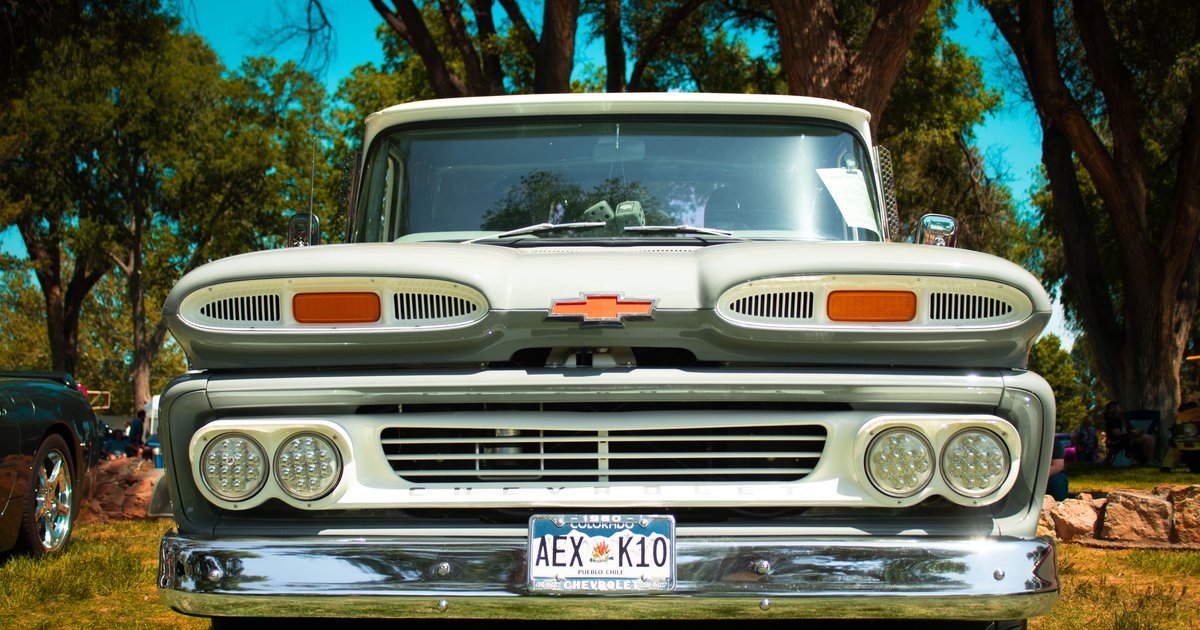
What Is a License Plate Lookup in Colorado?
A Colorado license plate lookup is the process of searching for information tied to a specific plate registered in the state. Most public lookups can reveal non-personal details such as the vehicle's make, model, year, and registration state. Personal information like the owner's name and address is protected under the federal Driver's Privacy Protection Act (DPPA) and Colorado's own privacy laws.
That said, you can still accomplish a lot with a basic Colorado license plate lookup—especially if your goal is to communicate with the owner rather than identify them personally.
Common Reasons People Search a Colorado Plate
People run a license plate lookup in Colorado for many practical reasons. The most common include:
- Reporting illegal parking — A car blocking your driveway in Denver or taking two spots at a Boulder trailhead.
- Leaving a message for the owner — Maybe their lights are on, a tire looks low, or you witnessed a hit-and-run.
- Filing a bad driver report — Reckless driving on I-70 or aggressive behavior in mountain traffic.
- Identifying abandoned vehicles — A car sitting untouched on your street for weeks.
- Researching a used car purchase — Verifying basic facts before meeting a seller.
- Curiosity about vanity plates or specialty plates — Colorado is well known for its scenic specialty plates supporting wildlife, veterans, and education programs.
What Information You Can Legally Access
Colorado follows strict rules about who can access personal registration data. The Colorado Department of Revenue's Division of Motor Vehicles (DMV) only releases full records to people with a permissible use under the DPPA, such as insurers, law enforcement, licensed investigators, or attorneys.
For the general public, a Colorado license plate lookup typically reveals:
- Vehicle make and model
- Model year
- State of registration
- General plate type (standard, specialty, or vanity)
- Any community-submitted notes or reports
For example, looking up a plate like https://platequery.com/Colorado/ABC123/ may show the public profile for that plate along with any messages left by other drivers.
How to Do a Colorado License Plate Lookup
1. Use an Online Plate Lookup Platform
Platforms like PlateQuery let you enter a Colorado plate number and instantly view the public profile. You can also leave a message that the owner can see if they claim their plate.
2. Contact the Colorado DMV
If you have a legal reason that qualifies under the DPPA, you can submit a records request to the Colorado DMV. You'll need to provide documentation of your permissible use.
3. File a Police Report
For hit-and-runs, stolen vehicles, or threats, contact local law enforcement. Officers can run the plate through restricted databases that aren't available to the public.
Colorado License Plate Laws You Should Know
Colorado requires both front and rear plates on most passenger vehicles. Plates must be clearly visible, unobstructed, and properly illuminated at night. Covering a plate with tinted shields or frames that block characters is illegal under state law.
Colorado also offers more than 200 specialty plate designs—one of the largest catalogs in the country. Popular options include Pioneer plates, Rocky Mountain National Park plates, and plates supporting veterans, wildlife conservation, and Colorado universities. Vanity plates can be personalized up to seven characters and must be approved by the DMV to ensure they don't contain offensive language.
Practical Example: Reporting a Parking Issue
Imagine you're in Colorado Springs and a vehicle has blocked your alley for two days. Rather than calling a tow truck immediately, you can:
- Note the plate number.
- Run a license plate lookup on PlateQuery.
- Leave a public message describing the issue.
- If the owner has claimed their profile, they'll receive a notification and can move the vehicle.
This often resolves the situation faster—and more peacefully—than escalating to authorities.
Frequently Asked Questions
Can I find a vehicle owner's name with a Colorado plate?
Not through public sources. Owner identity is protected by federal and state privacy law. However, you can still contact the owner through a platform like PlateQuery without knowing their name.
Is it legal to look up a Colorado license plate?
Yes. Looking up basic, non-personal vehicle information is legal. Accessing protected personal records requires a permissible use under the DPPA.
How do I report an abandoned vehicle in Colorado?
Contact your local police department's non-emergency line. In most Colorado cities, vehicles unmoved for 72 hours on a public street may qualify as abandoned.
Can I claim my own Colorado plate profile?
Yes. Claiming your plate on PlateQuery lets you receive messages from other drivers—useful for parking notifications, lights-left-on alerts, or community communication.
The Takeaway
A Colorado license plate lookup is one of the simplest ways to handle everyday vehicle situations—from parking disputes to abandoned cars to driver safety concerns. While you can't access private owner data, you can still communicate effectively. PlateQuery makes it easy to look up a Colorado plate, leave a message, report an issue, or claim your own profile so others can reach you when it matters.