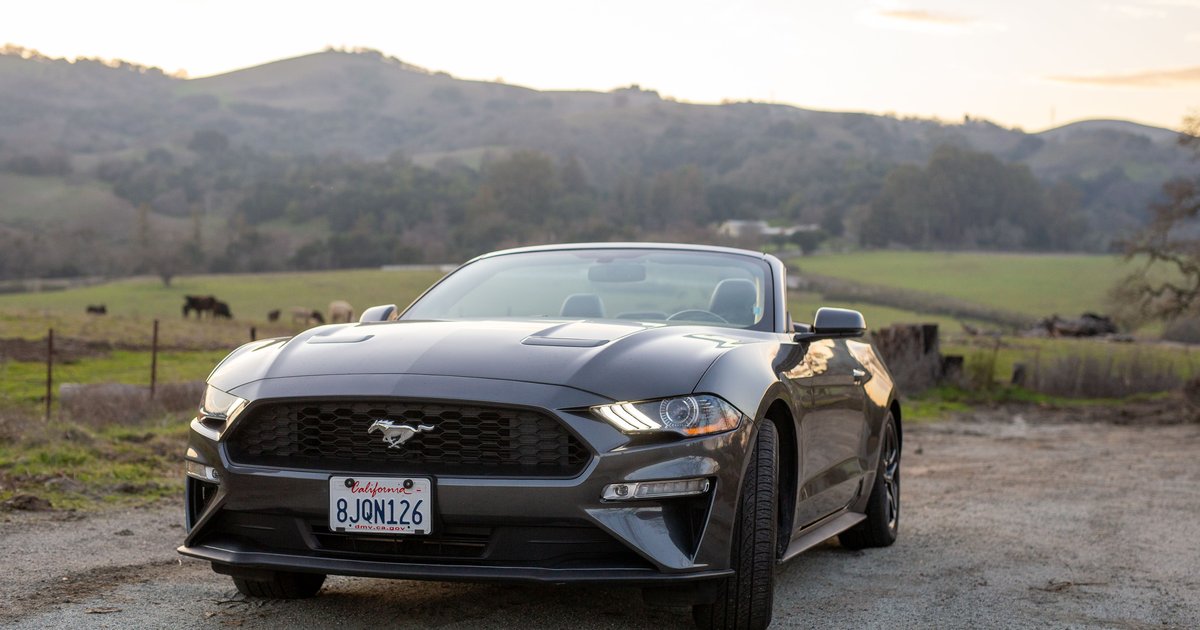
What Is a California License Plate Lookup?
A California license plate lookup is the process of entering a plate number to find publicly available information about a vehicle or to communicate with its owner. Unlike the California DMV, which restricts access to personal owner details under the federal Driver's Privacy Protection Act (DPPA), modern platforms like PlateQuery focus on legal, privacy-safe uses: leaving messages, reporting parking issues, and building plate profiles.
For example, if you spot a car with plate 7ABC123 blocking your driveway, you can look it up and leave a message the owner will see—without ever seeing their name or address.
Why People Look Up California Plates
California has more registered vehicles than any other U.S. state—over 30 million—so plate lookups are common for everyday situations, including:
- Illegal parking: Someone blocked your garage, took two spots, or parked in a fire lane.
- Bad driver reports: Reckless driving, road rage, or unsafe lane changes on the 405.
- Abandoned vehicles: A car that's been sitting on your street for weeks.
- Hit-and-run incidents: You caught a partial or full plate after a minor collision.
- Vanity or specialty plates: Curiosity about a personalized plate you spotted.
- Buying a used car: Verifying that a listing matches a real vehicle.
What Information Is Publicly Available?
California law protects sensitive owner data, but certain vehicle-related information is legally accessible or can be shared voluntarily by the owner. This typically includes:
- Vehicle make, model, and year (when disclosed)
- General location sightings (when reported by users)
- Public messages left by other drivers
- Plate type (standard, vanity, specialty, disabled, etc.)
What you won't get from any legitimate service is the owner's name, home address, phone number, or driving history. Those require a court order or a specific permissible use under the DPPA.
Understanding California Specialty and Vanity Plates
California offers hundreds of specialty plate designs—Yosemite, Lake Tahoe, Kids, Veterans, and more—plus environmental license plates (ELPs), which are the state's vanity plates. If you're researching a unique plate, a lookup can often tell you the plate category, which helps confirm whether you read it correctly. Browse examples from California plate profiles here.
How to Do a License Plate Lookup in California
The process is simple and takes less than a minute:
- Write down the full plate number. California standard plates are usually seven characters (e.g., 1ABC234). Double-check for common mix-ups like 0/O and 1/I.
- Note the state. California plates have distinctive red "California" script, but confirm before searching.
- Enter the plate on PlateQuery. For instance, go to
platequery.com/California/[your-plate]. - Review the profile for any public messages, reports, or notes.
- Leave a message if you need to contact the vehicle owner about parking, driving, or another issue.
California License Plate Laws to Know
Before you look up or report a plate, a few California rules are worth knowing:
- Two plates required: California requires both front and rear plates on most vehicles (CVC §5200).
- No plate covers: Tinted or obstructive plate covers are illegal, even clear ones in some cases.
- Plate visibility: Plates must be clean, unobstructed, and clearly readable.
- Abandoned vehicles: A vehicle parked on a public street for more than 72 hours can be reported to local police or parking enforcement.
If you've observed a violation, documenting the plate and reporting it through a communication platform can sometimes resolve the issue faster than waiting for enforcement.
Frequently Asked Questions
Can I find the owner's name with a California license plate?
No. California DMV records are protected, and no legitimate public service will provide an owner's name or address. However, you can leave a message that reaches the owner if they've claimed their plate profile.
Is a license plate lookup legal in California?
Yes—looking up publicly available plate information is legal. What's regulated is accessing DMV-held personal data, which requires a permissible purpose under the DPPA.
What if the owner hasn't claimed their plate?
Your message is stored on the plate's profile. When the owner (or someone who knows them) checks or claims the plate, they'll see it. Many disputes get resolved this way.
How do I report an abandoned vehicle in California?
Call your local non-emergency police line or parking enforcement. You can also log the sighting publicly so other neighbors know the issue is being tracked.
The Practical Takeaway
A California license plate lookup isn't about digging up private details—it's about solving real problems: reaching the driver who dinged your car, warning someone their taillight is out, or documenting repeated bad parking. PlateQuery makes this easy by letting you look up any California plate, leave a message the owner can access, or claim your own plate to receive alerts. Whether you're dealing with an illegal parker or just curious about a vanity plate you spotted on the freeway, it's a faster, privacy-respecting way to connect.