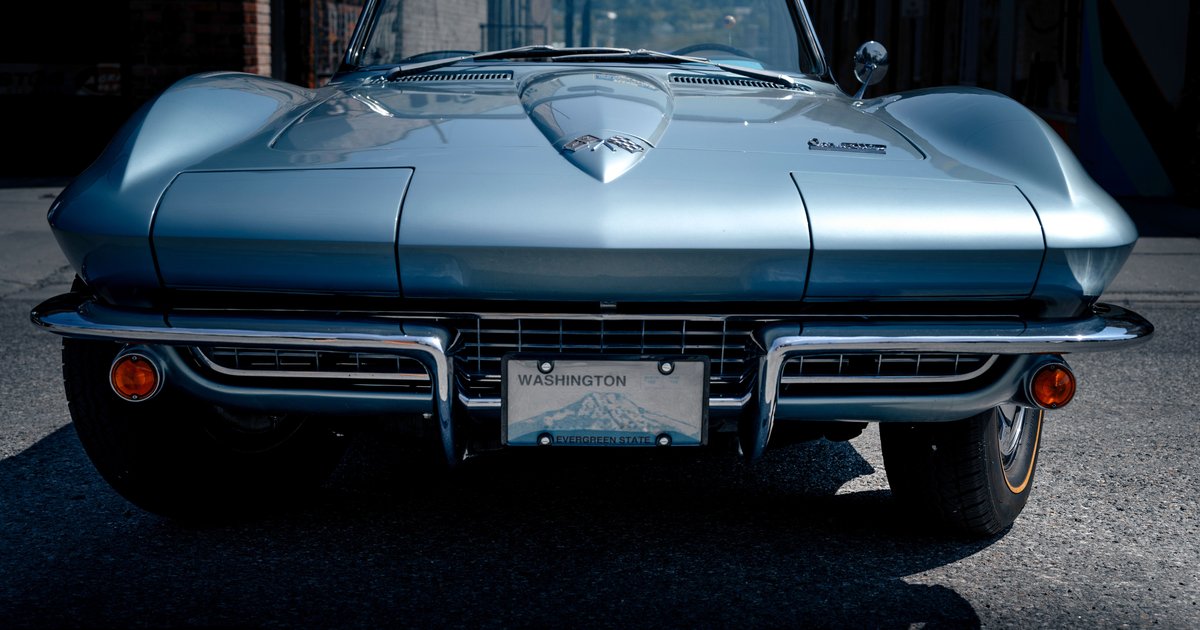
The Basics of License Plate Laws in Washington State
Washington State has some of the more detailed vehicle registration rules in the Pacific Northwest. Under RCW 46.16A.200, every registered vehicle in Washington must display a license plate that is clean, legible, and securely fastened. For most passenger vehicles, that means two plates—one on the front and one on the rear of the vehicle.
Motorcycles, trailers, and mopeds are required to display only a single rear plate. If you're driving a car, truck, or SUV without a front plate, you can be pulled over and cited, even if your registration is otherwise current.
Plate Display and Visibility Requirements
Washington law is strict about how plates must be displayed. According to the Washington State Department of Licensing (DOL), your plate must be:
- Mounted horizontally, no more than 4 feet from the ground
- Fully visible and unobstructed by bike racks, trailer hitches, or accessories
- Free from tinted covers, dark plastic shields, or reflective sprays
- Illuminated at night so it can be read from at least 50 feet away
A common example: a driver installs a smoked plastic cover to "protect" their plate, only to receive a $136 ticket for obstructing plate visibility. Even a dirty plate can technically trigger a citation if an officer can't read the characters.
Front License Plate Requirement
Unlike states such as Arizona or Florida, Washington requires a front plate on virtually all passenger vehicles. Some drivers with imported cars or performance vehicles without a factory front mount attempt to skip this requirement, but there is no exemption based on aesthetics or vehicle design. The DOL expects owners to install a bracket if one didn't come with the car.
Vanity Plates and Specialty Plates in Washington
Washington offers a robust selection of vanity plates and specialty plates. Personalized plates can have up to 7 characters (6 for motorcycles), and the DOL reviews every request to ensure it doesn't contain offensive language, references to drugs, or duplicate combinations.
Specialty plate options include Washington State Parks, veteran designs, university plates, and wildlife conservation plates. Fees from many of these directly fund state programs. For example, the "Discover Pass" plate contributes to state park maintenance.
Curious about a personalized plate you've seen around Seattle or Spokane? A quick license plate lookup can help you learn more about a specific plate or leave a message for the owner.
Expired Tabs and Registration Rules
Washington uses annual registration tabs displayed in the upper-right corner of the rear plate. Driving with expired tabs is a common violation, and after a grace period, officers frequently issue citations, especially in cities like Seattle where automated license plate readers are common.
If your vehicle has been sitting with expired tabs for more than 45 days on a public street, it may be classified as an abandoned vehicle under RCW 46.55.010 and impounded by local authorities.
Reporting Violations and Parking Issues
Washington residents can report a variety of plate-related violations:
- Illegal parking: Contact your city's parking enforcement (Seattle uses the Find It, Fix It app)
- Abandoned vehicles: Report to local police non-emergency lines
- Fraudulent or altered plates: Report to the Washington State Patrol
- Bad driver reports: Aggressive driving can be reported through WSP's online form
If you witnessed a hit-and-run or want to leave a note about someone's driving behavior, jotting down the license plate is the first critical step.
Penalties for Violating License Plate Laws
Fines vary, but common penalties in Washington include:
- Missing front plate: approximately $136
- Obstructed or illegible plate: approximately $136
- Expired registration (over 2 months): approximately $228
- Improper display of tabs: approximately $124
Repeat violations or fraudulent plate use can lead to more serious charges, including gross misdemeanors.
Frequently Asked Questions
Can I use a clear plate cover in Washington?
Technically, any cover—even clear—can violate visibility laws if it causes glare or reduces readability. Most officers will let clean, clear covers slide, but it's legally risky.
Do electric vehicles need front plates in Washington?
Yes. Tesla, Rivian, and other EV owners must install a front plate, even if the vehicle didn't come with a mounting bracket from the factory.
How do I transfer plates when I sell my car?
In Washington, plates typically stay with the seller, not the vehicle. You can transfer them to another car you own or surrender them to the DOL.
Can I look up a Washington license plate?
You cannot access private DMV records, but you can use public platforms to research plates, leave messages for owners, or report incidents.
How PlateQuery Can Help
Understanding license plate laws in Washington State is just the beginning. If you've witnessed illegal parking, need to contact a vehicle owner about a dinged bumper, or want to report a bad driver, PlateQuery makes it easy. You can search a Washington plate, leave a message tied to that vehicle, or claim your own plate profile so others can reach you when it matters. Whether you're dealing with a blocked driveway in Tacoma or an abandoned car in Bellingham, PlateQuery gives drivers a respectful way to communicate—without confrontation.