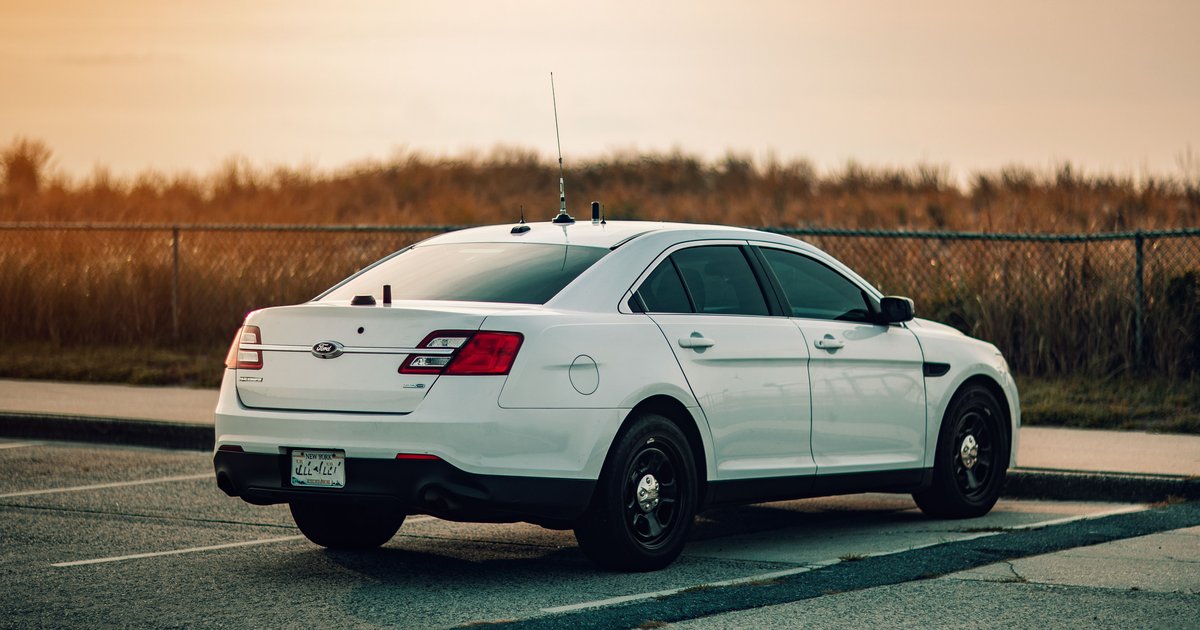
Overview of Kansas License Plate Laws in 2026
Kansas requires all motor vehicles operated on public roads to be properly registered with the Kansas Department of Revenue (KDOR) and to display a state-issued license plate. Unlike states that require both front and rear plates, Kansas is a single-plate state—only a rear plate is mandatory for most passenger vehicles. In 2026, enforcement of visibility, plate condition, and registration compliance continues to be a top priority for Kansas Highway Patrol and local law enforcement.
If you've recently moved to Kansas or bought a new vehicle, you have 60 days from the date of purchase or establishing residency to title and register your vehicle.
Plate Display and Placement Rules
Under Kansas Statute 8-133, license plates must be:
- Securely fastened to the rear of the vehicle
- Mounted between 12 and 60 inches from the ground
- Clearly visible and legible from at least 50 feet
- Free of dirt, tinted covers, or frames that block any letters, numbers, or the state name
For example, if you drive a pickup with a rear-mounted spare tire that partially covers the plate, you could be pulled over and cited. Similarly, smoked or tinted plate covers—even clear plastic ones that create glare—are illegal in Kansas.
Motorcycles and Trailers
Motorcycles must display a smaller motorcycle-specific plate on the rear. Trailers weighing over 2,000 pounds also require their own registration and plate.
Registration Renewal in 2026
Kansas uses a staggered registration system based on the first letter of your last name. Your renewal month is assigned when you first register, and stickers must be affixed to the plate showing the current month and year of expiration. Driving with expired tags beyond a grace period can result in fines starting around $75 and increasing with time.
In 2026, Kansas continues to offer online renewals through the iKan portal, making it easier to stay current without visiting a county treasurer's office.
Vanity and Specialty Plates
Kansas offers a wide range of vanity plates (personalized) and specialty plates supporting causes such as veterans, universities, wildlife conservation, and first responders. In 2026, application fees for personalized plates typically run around $45.50 annually on top of standard registration fees.
Personalized combinations cannot contain profanity, references to drugs, or misleading law enforcement terms. KDOR reserves the right to reject or recall any plate deemed offensive. If you spot an interesting Kansas plate on the road, you can look it up on PlateQuery's Kansas directory to see if the owner has claimed a profile.
Obstruction, Alteration, and Fraudulent Use
Kansas takes plate tampering seriously. It is illegal to:
- Cover, deface, or alter any part of the plate
- Display an expired, canceled, or fictitious plate
- Use another vehicle's plate
- Manufacture or use counterfeit plates
Violations can range from a traffic infraction to a Class A misdemeanor, especially in cases of fraud. Officers frequently use automated license plate readers (ALPRs), so an obscured or swapped plate is quickly flagged.
Reporting Parking, Driving, or Abandoned Vehicle Issues
Kansas law also addresses abandoned vehicles—typically defined as any vehicle left on public property for more than 48 hours or on private property without permission. These can be reported to local police for towing.
If you witness illegal parking, reckless driving, or need to leave a note for a vehicle owner without confrontation, you don't always have to involve law enforcement. A quick license plate lookup through a service like PlateQuery lets you send a message tied to the plate—useful for everything from a dinged bumper in a parking lot to a heads-up about a burned-out taillight.
Frequently Asked Questions
Does Kansas require a front license plate in 2026?
No. Kansas remains a single-plate state, requiring only a rear plate on passenger vehicles.
What's the penalty for expired tags in Kansas?
Fines typically start near $75 and increase based on how long the registration has been expired. Repeat offenses can lead to higher penalties.
Can I transfer my plate to a new vehicle?
Yes. Kansas allows plate transfers between vehicles you own, provided the new vehicle is of a similar class. You'll need to update your registration at your county treasurer's office.
Are decorative plate frames legal?
Only if they don't cover any letters, numbers, the word "Kansas," or the expiration stickers.
How PlateQuery Can Help
Understanding Kansas license plate laws is one thing—handling day-to-day situations involving other drivers is another. Whether you need to alert an owner about a parking issue, report a bad driver, or check whether a plate has been claimed, PlateQuery gives you a simple, respectful way to connect with Kansas vehicle owners. You can also claim your own plate profile so other drivers can reach you directly if something happens to your vehicle.