What Counts as an Illegal Parking Violation?
An illegal parking violation is any instance where a vehicle is parked in a way that violates municipal, state, or private property rules. While specifics vary by city, the most common examples include:
- Parking in front of a fire hydrant (typically within 15 feet)
- Blocking a driveway, crosswalk, or sidewalk
- Parking in a handicap spot without a valid permit
- Double parking on a busy street
- Ignoring street cleaning or snow removal signs
- Parking in a red zone, bus stop, or loading zone
- Overstaying a metered spot or time-limited zone
Even seemingly small infractions — like parking too close to a corner — can result in a ticket, a tow, or a serious safety hazard for other drivers and pedestrians.
Why Illegal Parking Is a Bigger Problem Than It Looks
Illegal parking isn't just an inconvenience. A car blocking a hydrant can delay firefighters by critical minutes. A vehicle parked across a curb ramp can strand someone using a wheelchair. Cars left in bike lanes force cyclists into traffic. And repeat offenders in a neighborhood can quickly erode quality of life for everyone nearby.
Many illegal parking situations also overlap with abandoned vehicles, expired registrations, or drivers who never respond to notices left on their windshield. That's where communication tools become just as important as enforcement.
How to Report an Illegal Parking Violation
1. Call the Right Non-Emergency Line
For most cities, you'll want to call the local parking enforcement or non-emergency police line. Dial 911 only if the vehicle is creating an immediate danger — blocking a fire lane during an emergency, for example.
2. Use Your City's 311 Service or App
Cities like New York, Los Angeles, Chicago, and San Francisco all have 311 apps that let you submit photos, addresses, and license plate numbers directly to enforcement.
3. Document Everything
Take clear photos showing:
- The license plate
- The violation (hydrant, sign, curb marking)
- A wide shot showing context
- A timestamp if possible
4. Try to Reach the Owner Directly
Sometimes the fastest solution isn't a ticket — it's a message. If a car is blocking your driveway or parked awkwardly, a quick license plate lookup can help you contact the vehicle owner before things escalate.
State-Specific Illegal Parking Laws
Parking laws vary widely by state:
- California: Fines for parking in a disabled space start at $250 and can exceed $1,000. Street sweeping tickets in Los Angeles average $73.
- New York: Blocking a hydrant carries a $115 fine, and double parking in Manhattan business districts runs $115 as well.
- Texas: Parking laws are largely handled at the city level, with Austin and Houston enforcing strict fire lane rules.
- Florida: Handicap parking violations start at $250 statewide.
Always check your local municipal code — a plate registered out of state doesn't exempt drivers from local license plate laws or parking rules.
What Happens After a Ticket Is Issued
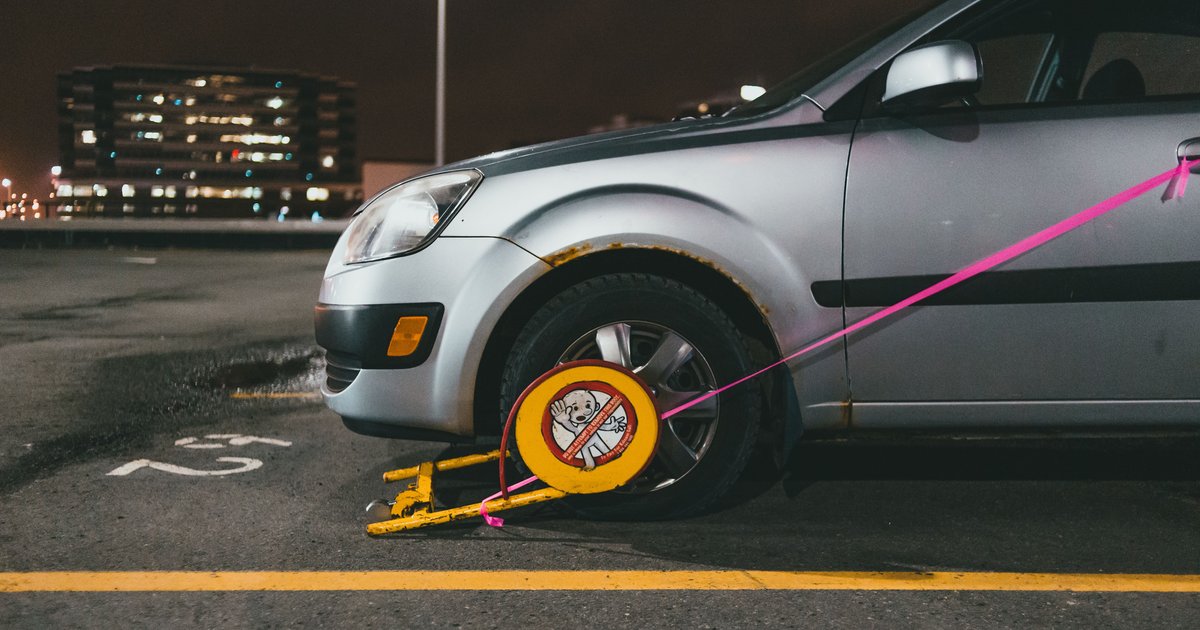
Once a parking citation is issued, the registered owner (not necessarily the driver) is responsible. That's why keeping your vehicle registration, address, and contact info accurate matters. Unpaid tickets can lead to:
- Late fees that double or triple the original fine
- A boot or tow after multiple unpaid violations
- Registration renewal holds
- Collections and credit impact in some states
Frequently Asked Questions
Can I get someone towed for parking in front of my driveway?
Yes. In most cities, blocking a private driveway is grounds for immediate towing. Call your local non-emergency line or parking enforcement and request a tow.
What if the same car keeps parking illegally on my street?
Document each incident with dates and photos. Repeat bad driver reports and parking complaints can trigger more consistent enforcement. You can also try leaving a polite message for the owner through a plate-based communication service.
Can I look up a license plate to find who's parking illegally?
You can't access private DMV records, but public plate profile platforms let you leave a message tied to a plate — a legal, privacy-safe way to reach the driver.
Are vanity or specialty plates treated differently?
No. Vanity plates and specialty plates are subject to the same parking laws as standard plates. The design doesn't change enforcement.
How PlateQuery Can Help
Not every illegal parking situation needs a tow truck or a ticket. Sometimes the driver simply doesn't realize what they did — or they'll move immediately if someone reaches out. With PlateQuery, you can leave a message tied to a license plate, report a parking issue, or even contact a vehicle owner without sharing your personal information. It's a faster, friendlier first step before escalating to enforcement — and it helps keep neighborhoods safer for everyone.