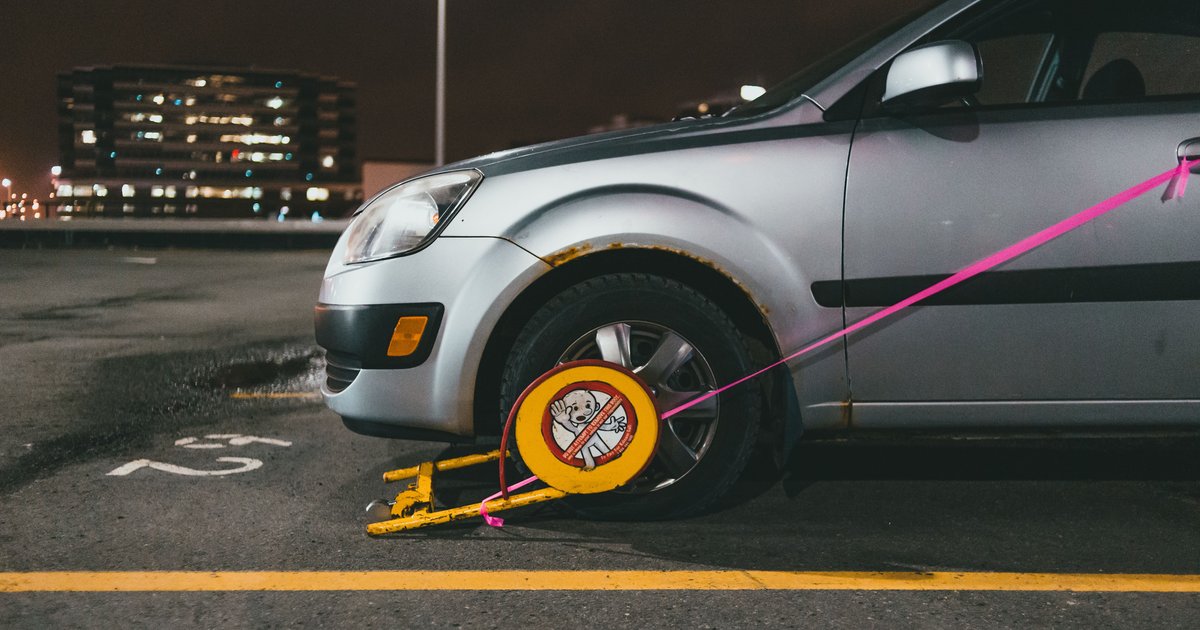
How to Get an Illegally Parked Car Towed Near You
When a vehicle is blocking your driveway, parked in a fire lane, or left on private property without permission, you generally have three options for towing: call local police (non-emergency line), contact your city's parking enforcement, or hire a private tow company if the vehicle is on property you own or manage.
The right choice depends on where the car is parked:
- Public street: Call the non-emergency police line or 311 for parking enforcement.
- Private property (your driveway, business lot, apartment complex): Contact a licensed private tow company.
- Fire lane, handicap spot, or blocking a hydrant: Call local police immediately.
What Counts as Illegal Parking?
Illegal parking laws vary by city and state, but most jurisdictions consider the following violations tow-worthy:
- Blocking a private driveway or garage
- Parking in a fire lane or within 15 feet of a fire hydrant
- Parking in a handicap space without a permit
- Double parking on a busy street
- Parking on private property without authorization
- Leaving a car in a no-parking zone marked by signage
- Blocking a sidewalk, crosswalk, or bike lane
Some violations only result in a ticket, while others allow for immediate towing. Knowing the difference before you call saves time.
Step-by-Step: Requesting a Tow Near You
1. Document the Violation
Take clear photos showing the license plate, the vehicle's position, and any signage (like a "No Parking" sign or your driveway). Timestamped photos protect you if the owner disputes the tow later.
2. Identify the Location Type
Public roads fall under city or state jurisdiction. Private property tows are governed by state laws that often require specific signage and notification procedures.
3. Call the Right Number
For example, in Los Angeles you'd call the LAPD non-emergency line for public street violations, while a Houston homeowner would call a TDLR-licensed tow company directly. Search "[your city] parking enforcement" or "non-consent tow [your city]" to find local options.
4. Provide the License Plate
Whether you're calling police or a tow company, they'll ask for the plate number, state, make, and model. A quick license plate lookup can help you record the details accurately.
State-Specific Towing Rules to Know
License plate laws and towing regulations differ significantly by state:
- California: Private property owners must post signage at each entrance before towing. Vehicles blocking driveways can be towed after a police report.
- Texas: Requires a licensed Vehicle Storage Facility. Property owners must follow strict notification rules under Chapter 2308.
- Florida: Towing companies must notify local police within 30 minutes of a non-consent tow.
- New York: NYPD handles most street violations; private tows require pre-authorized signage.
Always check your state's Department of Transportation or Attorney General website for current rules.
When You Should Try Contacting the Owner First
Towing isn't always the fastest solution. If a neighbor's guest is blocking your driveway or a delivery vehicle is parked awkwardly, reaching the driver directly often resolves the issue in minutes — no tow fees, no paperwork, no bad blood.
This is where platforms like PlateQuery help. You can look up a plate and contact the vehicle owner anonymously to ask them to move before escalating. It's especially useful for minor illegal parking situations that don't require police involvement.
Abandoned Vehicles vs. Illegally Parked Cars
If a car has been sitting in the same spot for days or weeks with flat tires, expired tags, or visible damage, it may qualify as an abandoned vehicle rather than illegally parked. Most cities require the vehicle to remain undisturbed for 48–72 hours before it can be tagged and towed. Report abandoned vehicles to your city's public works or parking enforcement department.
FAQ: Illegal Parking and Towing
How much does it cost to tow an illegally parked car?
If the vehicle is on your private property, the tow company charges the vehicle owner — not you. Standard non-consent tow fees range from $150 to $500 depending on your state.
Can I tow a car blocking my driveway myself?
No. Only a licensed tow operator can legally remove a vehicle. Attempting to move it yourself could result in liability for damages.
How long does it take for a tow truck to arrive?
Typically 30 minutes to 2 hours, depending on your area and time of day.
What if the same car keeps parking illegally?
Document each incident and consider filing a bad driver report or reaching out to the owner directly through a plate lookup service.
The Takeaway
Getting an illegally parked car towed near you starts with knowing whether the vehicle is on public or private property, then calling the correct authority. But before you pay for a tow, consider reaching the owner first — it's faster, cheaper, and often solves the problem entirely. PlateQuery lets you look up a license plate, leave a message for the owner, or file a formal parking complaint, giving you a peaceful alternative before escalating to a tow truck.