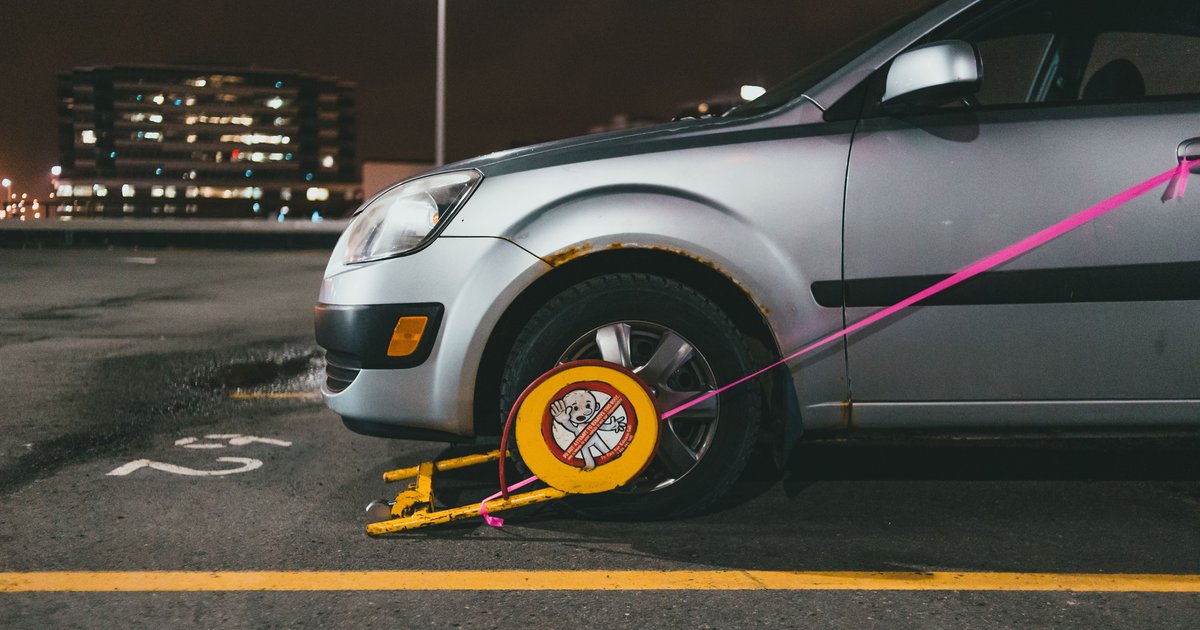
What Counts as Illegal Parking in a Handicap Spot?
A handicap parking violation happens when a vehicle occupies an accessible parking space without a valid disability placard or license plate displayed. This includes parking in the access aisle (the striped area next to the space), blocking a curb ramp, or using an expired, borrowed, or fraudulent placard.
Even if you're only stopping for "just a minute" to run into a store, it's still illegal parking. Accessible spots exist because someone with a mobility disability may need that exact space at that exact moment.
Why Handicap Parking Violations Matter
Accessible parking spaces are protected under the Americans with Disabilities Act (ADA). They aren't a convenience — they're a civil right. When someone parks illegally in a handicap spot, a disabled driver may be forced to:
- Park far from the entrance without safe wheelchair clearance
- Skip the trip entirely if no other accessible spot exists
- Risk injury navigating around vehicles blocking access aisles
This is why penalties are steep and enforcement is taken seriously across all 50 states.
Handicap Parking Fines by State
License plate laws and parking penalties vary widely. Here are examples of first-offense fines for illegally parking in a handicap spot:
- California: $250–$1,000, plus possible tow
- Texas: $500–$750
- Florida: $250 minimum
- New York: $50–$150 in NYC, higher elsewhere
- Illinois: $250 for parking, $600 for misusing a placard
- Arizona: Up to $350
Fraudulently using someone else's placard — for example, a family member's after they've passed away — can carry criminal charges and placard revocation in most states.
How to Report Illegal Parking in a Handicap Spot
If you witness a violation, here's the step-by-step process:
- Document it safely. Take clear photos showing the vehicle, the license plate, the handicap sign or pavement marking, and the absence of a placard.
- Note the time and location. Include the address, business name, or parking lot.
- Call the right authority. On public streets, contact non-emergency police. In private lots (like grocery stores or malls), notify store management first — they can call a tow truck. Many cities also have online parking complaint portals.
- Leave a note if appropriate. Sometimes the driver genuinely didn't realize their placard fell off the mirror. A polite note can resolve honest mistakes.
Never confront the driver directly. Illegal parking disputes have escalated to road rage incidents — your safety matters more than a lecture.
Using a License Plate to Follow Up
If a vehicle repeatedly violates handicap parking rules in your neighborhood or workplace lot, keeping a record of the license plate helps enforcement build a pattern of behavior. A license plate lookup can also help you leave a message for the owner without needing personal contact info — useful when you'd rather communicate than confront.
This is especially handy for property managers, HOA boards, and small business owners dealing with repeat offenders using specialty plates, vanity plates, or unmarked vehicles that keep returning to reserved accessible spaces.
What About Abandoned Vehicles in Handicap Spots?
If a car has been parked in an accessible spot for days without moving, it may qualify as an abandoned vehicle. Most cities allow towing after 24–72 hours in a reserved space. Report it to local parking enforcement and provide the plate number, make, model, and how long it's been there.
Frequently Asked Questions
Can I report illegal parking in a handicap spot anonymously?
Yes. Most municipalities accept anonymous complaints, though providing your contact info helps if follow-up is needed for a citation to hold up in court.
What if the driver has a placard but no visible disability?
Not all disabilities are visible. Conditions like heart disease, lung disease, or chronic pain qualify for placards. If a valid placard is displayed, the parking is legal — regardless of appearances.
Can I get a car towed from a handicap spot?
On private property, the property owner authorizes towing. On public streets, police or parking enforcement do. Most jurisdictions allow immediate towing of vehicles illegally parked in accessible spaces.
Does reporting bad drivers actually help?
Yes. Bad driver reports and parking complaints create paper trails. Repeat violators face escalating fines, license points, and in some states, revocation of driving privileges.
How PlateQuery Can Help
If you've seen illegal parking in a handicap spot and want to notify the driver without a face-to-face confrontation, PlateQuery lets you look up a license plate and leave a message tied to that vehicle's profile. The owner receives your report if they've claimed their plate, and your message stays on record either way — which is useful for documenting repeat offenders in your building, workplace, or neighborhood. It's a calmer, safer alternative to a windshield note, and it helps keep accessible spaces accessible.