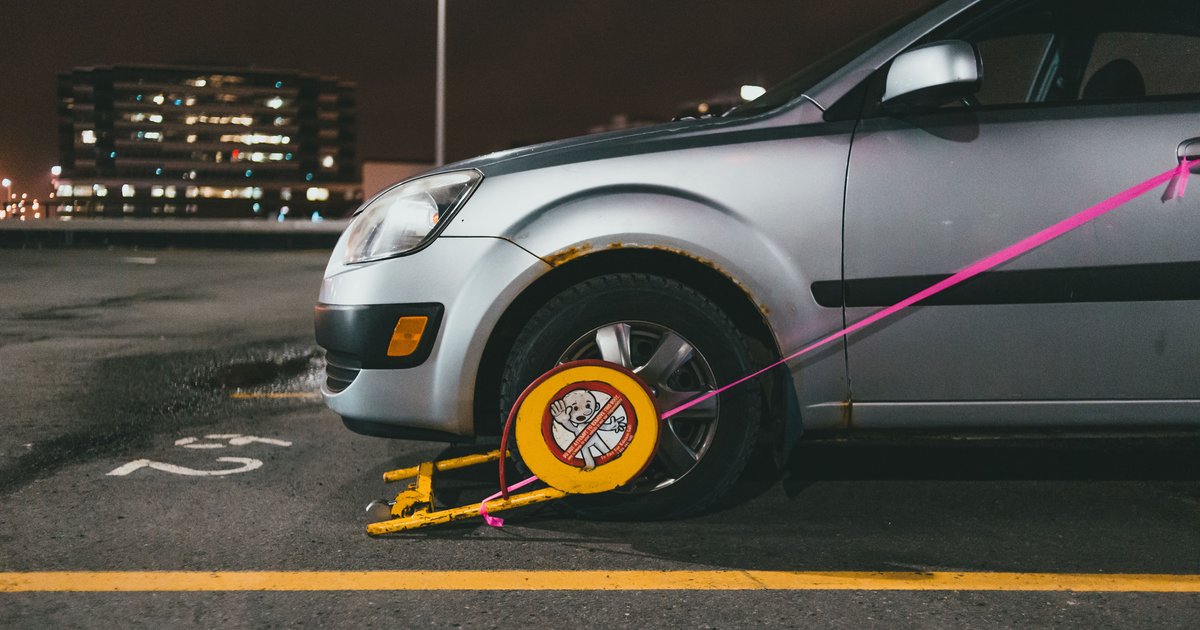
What Counts as Illegal Parking?
Before filing an illegal parking report, make sure the vehicle is actually violating a rule. Common examples of illegal parking include:
- Blocking a fire hydrant (typically within 15 feet)
- Parking in a disabled spot without a valid permit
- Blocking a driveway, crosswalk, or sidewalk
- Double parking on a public street
- Parking in a no-parking or street-cleaning zone
- Parking too close to a stop sign or intersection
- Expired meters or overstaying time limits
If a vehicle has been sitting untouched for days or weeks, you may actually be dealing with an abandoned vehicle, which follows a slightly different reporting process.
How to File an Illegal Parking Report
Filing a useful, actionable report takes more than just calling and complaining. Here's a clear step-by-step approach.
1. Document the Violation
Take clear, time-stamped photos showing:
- The license plate (front and rear if possible)
- The full vehicle from multiple angles
- The violation itself (e.g., the blocked hydrant, the curb paint, the no-parking sign)
- Surrounding context, like street signs or addresses
Photos are critical because parking enforcement officers often arrive after the vehicle has moved.
2. Note the License Plate and Details
Write down the plate number, state, vehicle make, model, and color. This information speeds up enforcement and helps if you want to follow up later. You can also perform a license plate lookup to gather basic public information about the vehicle.
3. Contact the Right Authority
The agency you contact depends on the type of violation:
- Non-emergency police line: Best for hydrants, fire lanes, and safety hazards
- Parking enforcement / DOT: Best for meters, time limits, and street sweeping
- 311 service: Available in many major cities like New York, Los Angeles, Chicago, and San Francisco
- HOA or property manager: Best for private lots, apartment complexes, and condos
4. Submit Your Report
Many cities now offer online portals or mobile apps. For example:
- New York City: NYC 311 app
- Los Angeles: MyLA311
- Chicago: CHI311
- San Francisco: SF311
- Seattle: Find It, Fix It
State-Specific Parking Laws to Know
License plate laws and parking rules vary widely. A few examples:
- California: Parking within 15 feet of a fire hydrant or blocking a wheelchair ramp can result in fines over $100, plus towing.
- Texas: Some cities allow private property owners to tow vehicles without notice if signs are clearly posted.
- Florida: Parking in a disabled spot without a permit can carry fines up to $250.
- New York: Alternate-side parking violations are aggressively enforced and result in immediate ticketing.
Check your local municipal code before filing, especially if you're reporting a vehicle parked on private property.
What If the Police Won't Respond?
Unfortunately, parking complaints often fall low on enforcement priority lists. If your report goes nowhere, you still have options:
- File a follow-up with photo evidence
- Contact the property owner if it's a private lot
- Reach out directly to the vehicle owner
- Submit a public bad driver report to warn others
Reaching the owner directly is often the fastest fix. Many drivers genuinely don't realize they've blocked a driveway, parked over a property line, or left their car in a tow-away zone.
FAQs About Illegal Parking Reports
Can I report illegal parking anonymously?
Yes. Most 311 systems and non-emergency police lines accept anonymous reports, though providing your contact info can help if officers need clarification.
How long does it take for enforcement to respond?
Response times vary from 15 minutes for safety hazards to 24–72 hours for minor violations. In busy cities, low-priority reports may take even longer.
Can I get the car towed?Can I get the car towed?
Towing usually requires a clear violation (fire lane, blocked driveway, disabled spot) and approval from law enforcement or a property owner with proper signage.
Is it illegal to put a note on someone's car?
Generally no, but tampering with a vehicle or leaving threatening notes can create legal trouble. A polite, factual note is your safest option.
How PlateQuery Can Help
Sometimes the best solution isn't a ticket — it's a conversation. PlateQuery lets you contact a vehicle owner directly through their license plate, so you can let them know they've blocked your driveway, parked across two spots, or left their car in a tow zone before the situation escalates. You can also leave a message, research a plate, or file a public report so other drivers and the owner know about the issue. It's a faster, friendlier alternative when enforcement is slow or unavailable.