What Is Automatic License Plate Reader Technology?
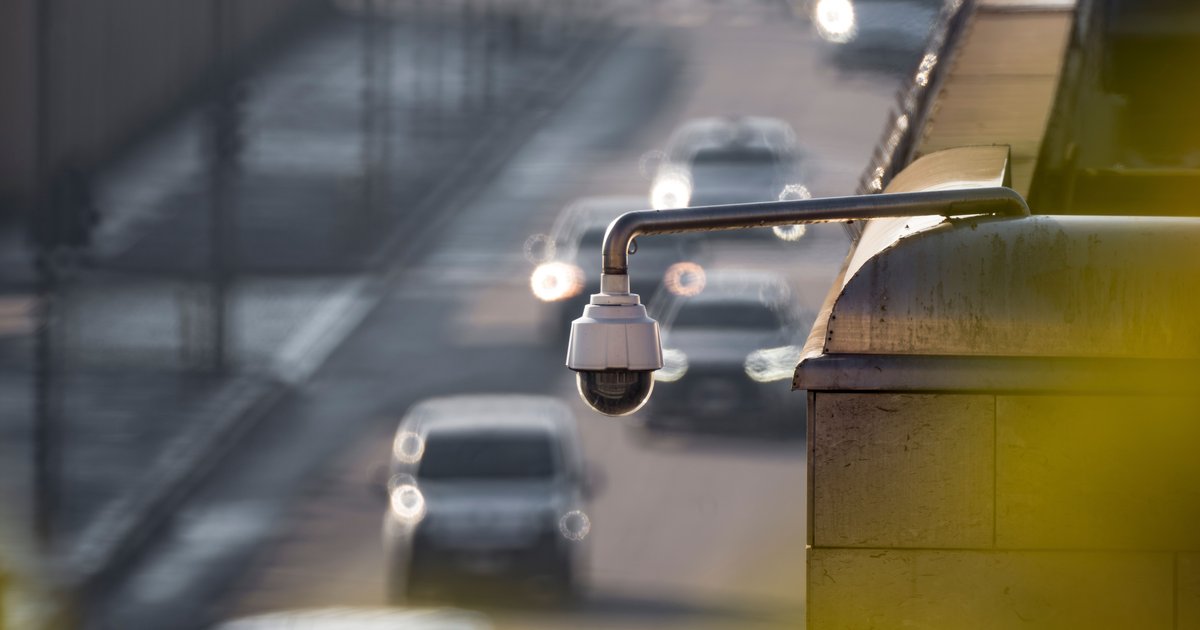
An automatic license plate reader (often shortened to ALPR or LPR) is a camera system paired with optical character recognition software that photographs passing vehicles and converts the image of the plate into readable text. Each capture is typically stored as a record containing the plate number, a timestamp, GPS coordinates, and sometimes a vehicle description like color, make, or body style. The cameras can be fixed to poles, traffic signals, and highway overpasses, or mounted on patrol cars, tow trucks, and parking enforcement vehicles.
Modern systems can read hundreds of plates per minute, in the dark, at highway speeds, and from multiple lanes at once. That raw ability to ingest data is what makes automatic license plate reader technology so powerful — and so controversial. A single intersection camera can log every vehicle that passes through it, every day, for years.
How the Cameras Actually Read a Plate
The process happens in a fraction of a second but involves several distinct steps. First, a high-speed camera — usually infrared, so it works regardless of lighting — snaps an image when it detects a vehicle entering its field of view. Next, software isolates the rectangular region of the plate within the image, straightens any skew, and boosts contrast so the characters stand out.
Then an OCR engine segments the plate into individual characters and matches each one against a trained model, outputting a text string along with a confidence score. Finally, the record is uploaded to a cloud database where it can be searched, cross-referenced against hotlists (stolen vehicles, Amber Alerts, expired registrations), or simply retained for later investigative use. Some systems also capture a second, wider "context" image of the whole vehicle for identification purposes.
Who Is Running These Cameras?
ALPR deployments fall into a few broad categories. Law enforcement agencies — city police, county sheriffs, state troopers — are the most visible operators, and many now subscribe to networks run by vendors like Flock Safety, Motorola's Vigilant, Rekor, or Genetec. These networks let one agency search plate activity across thousands of cameras operated by other agencies and even by private HOAs.
Beyond police, you'll find automatic license plate reader technology used by toll authorities, parking garages, repossession companies, private security firms, airports, apartment complexes, and increasingly homeowners associations that install cameras at neighborhood entrances. Repo companies in particular have built massive commercial databases by driving tow trucks equipped with roof-mounted cameras through parking lots, logging every plate they pass whether the vehicle is on a repossession list or not.
What Data Gets Stored and for How Long
This is where policy varies wildly. Retention periods are set by whoever operates the system — a police department, a vendor's default setting, or a state law — and they can range from a couple of weeks to several years. Some jurisdictions have passed laws capping retention for non-hit data (plates that didn't match a hotlist); others leave it entirely to departmental discretion.
The practical consequence is that even if you've never been suspected of anything, your vehicle's movements may be stored in multiple overlapping databases. If an officer in a different city searches your plate next year as part of an unrelated investigation, that search itself generates an audit log entry — a record that your plate was looked up, by whom, and when.
The Legal and Privacy Landscape
Courts in the United States have generally treated a single plate read in public as something you have no reasonable expectation of privacy about — your plate is designed to be seen. The harder questions arise when millions of reads are aggregated into a searchable history that can reconstruct where you drove, when, and how often.
A handful of states have passed ALPR-specific statutes limiting retention, restricting access, or requiring audit logging and public reporting. Others rely on general open-records laws, which is why civil liberties groups, journalists, and researchers have been able to obtain Flock search audit logs through FOIA requests — revealing not just that cameras exist, but which agencies are searching which plates. Those public-records releases are the backbone of the ALPR lookup data you can see on PlateQuery today.
How to Check Your Own Vehicle's Lookup History
Because automatic license plate reader technology operates largely in the background, most drivers have no idea whether their plate has been queried by law enforcement. PlateQuery provides a free, public ALPR lookup history on every plate's page, built from FOIA-released Flock search audit logs. It doesn't show camera photos or exact routes — what it shows is which agency searched your plate in the Flock network, and when.
To check, just search your plate on PlateQuery and scroll to the ALPR lookup history section. You may see no entries at all, which is common, or you may see searches by agencies in states you've never visited — a reminder of how interconnected these networks have become. Either way, it's a form of transparency that didn't exist a few years ago.
Frequently Asked Questions
Does an ALPR hit mean I did something wrong?
No. An agency can search a plate for countless reasons — a witness mentioned a similar vehicle, a car matching the description was seen near an incident, or an officer was simply running plates in a parking lot. A lookup is not an accusation.
Can I opt out of being scanned?
Realistically, no. If you drive on public roads with a visible plate, your vehicle can be read by any ALPR camera it passes. What you can do is understand who's looking and advocate for stronger retention and access rules in your jurisdiction.
Is the data on PlateQuery live camera footage?
No. PlateQuery does not show where or when your car was photographed. It shows search audit logs — records of agencies querying a plate number in Flock's system — released through public-records requests.
What's the difference between a read and a search?
A read is the camera capturing your plate as you drive past. A search is a human (usually at a police agency) later querying the database for that plate number. PlateQuery's lookup history reflects searches, not reads.
The Practical Takeaway
Automatic license plate reader technology isn't going away — if anything, deployments are accelerating as cities and HOAs add more cameras every month. The best thing an ordinary driver can do is stay informed about what's being collected and who's asking about them. Pulling up your own plate on PlateQuery takes about ten seconds and gives you a concrete picture of your public lookup history.
If you want to go a step further, you can claim your plate from its own page on PlateQuery. Claiming starts a small monthly or annual subscription through Stripe and makes that plate's ALPR lookup history and any messages sent to it visible only to you — the public page still exists, but the sensitive sections are hidden from everyone else. For drivers who value privacy in an era of pervasive automatic license plate reader technology, that control can be worth the price of a coffee.