What Is a Free License Plate Lookup?
A free license plate lookup is a tool or service that lets you enter a license plate number and receive publicly available information about the vehicle or the plate itself. Depending on the source, you might learn the state of registration, vehicle make and model, plate type (standard, vanity, or specialty), or messages other drivers have left for that vehicle.
What you generally won't get for free, or from any public source, is the owner's name, address, phone number, or driver's license details. That information is protected under the federal Driver's Privacy Protection Act (DPPA) of 1994.
What Information Can You Actually Get?
Here's a realistic breakdown of what a free license plate lookup can reveal:
- State of registration — Identifiable from the plate's design and format.
- Vehicle make, model, and year — Sometimes available through community-sourced databases.
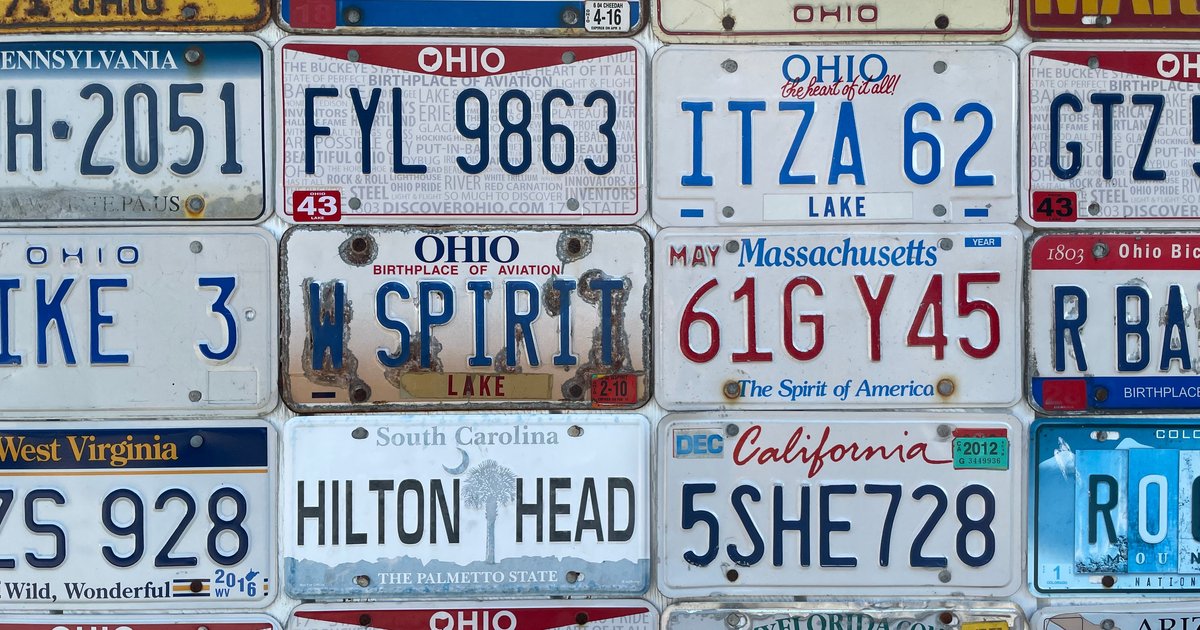
- Plate type — Standard issue, vanity plates, or specialty plates (veteran, college, charity, etc.).
- Public messages or reports — Notes left by other drivers regarding parking issues, bad driving, or compliments.
- Plate profile — If the owner has claimed their plate on a platform like PlateQuery, they may share contact preferences.
For example, if you enter a California plate like 7A42815 on PlateQuery, you can view its public profile and leave a message for the owner without ever needing their personal information.
Why People Search for License Plates
Most people don't need a license plate lookup out of curiosity. They have a real problem they're trying to solve. Common reasons include:
- Illegal parking — Someone blocked your driveway, double-parked, or took up two spots.
- Hit-and-run incidents — You witnessed a fender-bender and want to alert the other driver.
- Bad driver reports — You want to document reckless driving behavior.
- Abandoned vehicles — A car has been sitting on your street for weeks.
- Lost items — You found a wallet near a parked car and want to return it.
- Buying a used vehicle — You want to verify the seller's claims before purchasing.
Free vs. Paid License Plate Lookup Services
Free Services
Free tools typically focus on community-driven information: messages, reports, plate profiles, and basic vehicle facts. They're ideal for communication purposes — like leaving a note for the driver who keeps parking in front of your mailbox. Browsing plates by state, such as California license plates, is also free.
Paid Services
Paid lookups often promise vehicle history reports (accidents, title status, mileage) pulled from databases like NMVTIS. These are legitimate for buyers researching a used car, but they still won't legally provide owner identity unless you have a qualifying purpose under the DPPA, such as being an insurance investigator or law enforcement.
License Plate Laws You Should Know
License plate laws vary by state, but a few principles apply nationwide:
- License plates are public-facing by design — that's why they exist.
- Photographing a plate in public is legal in every U.S. state.
- Using plate data to harass, stalk, or threaten someone is illegal regardless of how you obtained it.
- Only authorized requesters (law enforcement, insurers, licensed investigators) can pull owner records from the DMV.
States like California, Texas, Florida, and New York all follow DPPA rules, though some have additional restrictions on commercial use of plate data.
How to Look Up a License Plate the Right Way
- Write down the plate exactly — Note the state, characters, and any specialty design.
- Check a public communication platform — See if the plate has a profile or existing messages.
- Leave a message if needed — Platforms like PlateQuery let you contact a vehicle owner without revealing your identity or theirs.
- Report serious issues to authorities — For hit-and-runs, theft, or threats, contact police directly.
Frequently Asked Questions
Can I find a car owner's name with a license plate for free?
No. Owner identity is protected by federal law and isn't available through any free or public service.
Is it legal to look up a license plate?
Yes, looking up publicly available information about a plate is legal. Obtaining personal owner details requires a permissible purpose under the DPPA.
What's the best free way to contact a vehicle owner?
Use a platform that lets owners receive messages tied to their plate, so you can communicate without exchanging personal information.
Are vanity and specialty plates easier to look up?
They're easier to remember and identify, but they follow the same privacy rules as standard plates.
The Practical Takeaway
If your goal is to identify a stranger, a free license plate lookup won't get you there — and that's by design. But if your goal is to communicate with a vehicle owner about parking, driving behavior, an abandoned car, or a lost item, PlateQuery is built exactly for that. You can search a plate, leave a message, report an issue, or claim your own plate profile so other drivers can reach you when it matters. It's free to start, and it respects everyone's privacy along the way.