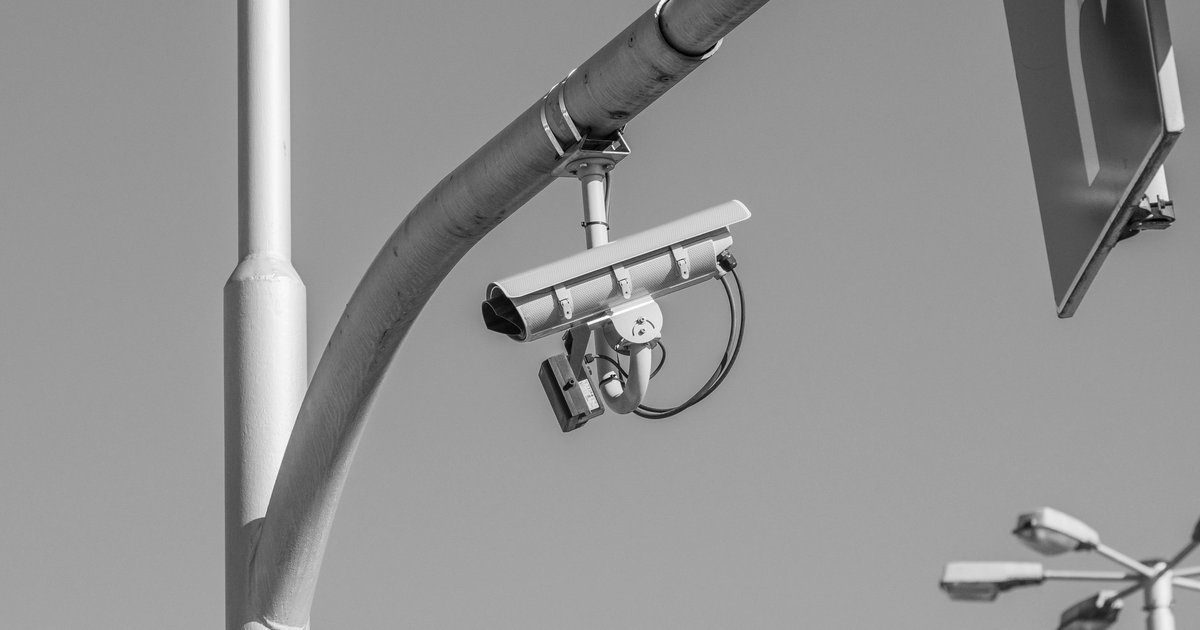
What Is the Flock Security Lawsuit Everyone Is Talking About?
There isn't just one flock security lawsuit — there are several, filed in different states, all raising similar constitutional concerns. The cases argue that Flock Safety's automated license plate reader (ALPR) network creates a warrantless, round-the-clock surveillance system that tracks ordinary drivers who aren't suspected of any crime. Plaintiffs typically claim this violates the Fourth Amendment's protection against unreasonable searches, and in some states, stronger state constitutional privacy guarantees.
The most-cited case so far is Schmidt v. City of Norfolk, filed in October 2024 in the U.S. District Court for the Eastern District of Virginia by the Institute for Justice. The lawsuit targets Norfolk's deployment of 172 Flock cameras and argues the city built what plaintiffs call a “dragnet” that logs every passing vehicle for 30 days. A federal judge allowed the case to move forward in 2025, rejecting the city's motion to dismiss — a notable early signal that courts are willing to seriously consider ALPR surveillance claims.
Why Flock Safety Keeps Ending Up in Court
Flock operates more than 40,000 cameras across roughly 5,000 U.S. communities, from HOAs to municipal police departments. Each camera photographs every plate that passes, logs timestamp and location, and stores the data for a default 30 days (though some agencies configure longer retention). Multiple agencies can also search each other's data through Flock's national lookup tool, which is where critics say the system transforms from a local investigative aid into something closer to a nationwide tracking network.
The flock safety lawsuit filings generally hinge on a 2018 Supreme Court decision, Carpenter v. United States, which held that long-term location tracking via cell-site data requires a warrant. Plaintiffs argue ALPR networks produce the same kind of comprehensive movement history Carpenter was meant to protect against. Flock, for its part, maintains that photographing plates in public view is legally equivalent to an officer writing down a tag number — something courts have historically allowed without a warrant.
Key Cases to Watch in 2026
Virginia: Schmidt v. City of Norfolk
Still the lead case nationally. If Norfolk loses on the merits, it would be the first federal ruling that a municipal Flock deployment violates the Fourth Amendment. Discovery is ongoing, and a decision could come in late 2026.
Illinois: Challenges Under SAFE-T Act Provisions
Illinois enacted ALPR data-handling rules under 625 ILCS 5/11-208.11, which restricts how long plate data can be retained and who can access it. Several Chicago-area suburbs have faced complaints that their Flock contracts don't comply with state retention and audit requirements. These aren't constitutional cases — they're statutory — but they've already forced some agencies to shorten retention windows.
Washington State: Public Records Battles
Under Washington's Public Records Act (RCW 42.56), journalists and advocacy groups have successfully compelled release of Flock search logs, revealing which officers queried which plates and why. Several of these FOIA fights have turned into civil suits when departments refused to disclose records they were legally required to produce.
What the Lawsuits Have Already Changed
Even before any case reaches final judgment, the flock security lawsuit pressure has produced real policy shifts. Several cities, including Seattle Park Rangers and parts of San Marino, California, have paused or ended Flock contracts in 2025 after public backlash and legal threats. Others have adopted stricter audit policies, requiring written justification for every plate search and quarterly public reports.
Flock itself announced in 2025 that it would tighten its national lookup tool, requiring agencies to attach a case number and reason to each cross-jurisdictional search. Critics say that's a floor, not a ceiling — anyone with lawful access can still enter a reason that's never independently verified.
Does the Lawsuit Mean Your Plate Data Will Be Deleted?
Not automatically. Even if a court rules against a specific city, the ruling applies only to that jurisdiction unless and until an appeals court or the Supreme Court weighs in. Data already collected is typically subject to standard retention rules, meaning most records roll off after 30 days regardless of the litigation. If you want to know what's been captured on your own plate, the fastest route is a public records request to your local police department — or a quick lookup on a transparency database that already aggregates released FOIA data.
Frequently Asked Questions
Can I sue Flock Safety personally if my plate was scanned?
Generally, no — not successfully, at least not yet. Current lawsuits target the government agencies deploying the cameras, not Flock as a vendor. To have standing, you typically need to show concrete harm beyond “my plate was photographed,” which courts have historically been reluctant to recognize.
Is Flock legal in all 50 states?
Yes, deployment is legal everywhere, but a handful of states regulate retention and use. California (Civil Code §1798.90.5), Maine, New Hampshire, and Vermont all have ALPR-specific statutes that cap retention periods or restrict data sharing. Other states have no ALPR-specific law at all.
How do I find out if my plate has been scanned?
Many of the Flock audit logs released through FOIA requests are now searchable publicly. You can check your own plate on PlateQuery to see any scan records sourced from released public records, including the date and which agency's camera captured it.
Will the lawsuits shut down Flock Safety?
Very unlikely. Even the most aggressive plaintiffs aren't asking courts to ban ALPR technology outright — they're asking for warrant requirements, shorter retention, and tighter access controls. The business will likely continue, but with more rules around it.
The Practical Takeaway
Whether or not the current flock safety lawsuit wave leads to sweeping constitutional rulings, the direction of travel is clear: more transparency, shorter retention, and more accountability for who looks at your plate data and why. You don't have to wait for the courts to understand your own exposure.
On PlateQuery, you can look up any U.S. plate — including your own — and see the ALPR scan history that's been released through public records requests, showing exactly when and which agency's Flock cameras recorded it. If you'd rather that history (and any messages people send about your car) stay private, you can claim your plate from its own page on PlateQuery for about $1.99/month or $11.99/year. Once your subscription is active, the ALPR history and messages are hidden from the public page and visible only to you. It's the simplest way to turn the same transparency tools being argued over in federal court into something that actually works in your favor.