What Is the Flock Safety Class Action About?
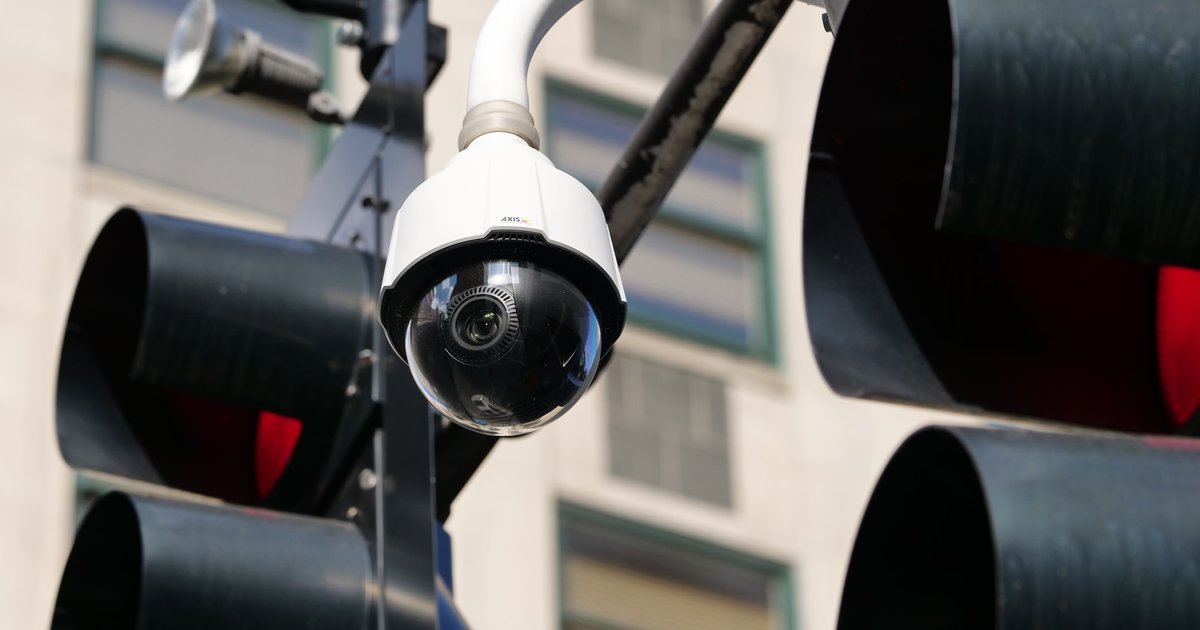
Flock Safety operates one of the largest private networks of automated license plate readers (ALPRs) in the country, with cameras installed in more than 5,000 communities. The core complaint driving the current wave of litigation is simple: these cameras photograph nearly every passing vehicle, log the plate, and store that data for 30 days by default — all without a warrant and often without drivers knowing. Plaintiffs argue this amounts to warrantless mass surveillance that violates the Fourth Amendment and, in some states, specific privacy statutes.
The term "Flock Safety class action" is actually being used loosely to describe a cluster of related cases, not one single nationwide suit. Some are federal constitutional challenges, some are state-level privacy claims, and at least one is backed by the Institute for Justice. Together they're reshaping how courts think about continuous, networked license-plate surveillance.
The Major Flock Safety Lawsuits You Should Know
Here are the most significant Flock Safety lawsuit filings as of 2026:
- Schmidt v. City of Norfolk (E.D. Virginia, 2024) — Filed by the Institute for Justice on behalf of Norfolk residents Lee Schmidt and Crystal Arrington. The suit challenges Norfolk's 172-camera Flock network as a Fourth Amendment violation, arguing the system creates a searchable record of residents' movements. A federal judge allowed the case to move forward in 2025.
- Housley v. Flock Group, Inc. (Illinois, 2025) — A proposed class action alleging Flock violated the Illinois Biometric Information Privacy Act (BIPA, 740 ILCS 14/) and the Illinois Automatic License Plate Reader Act by collecting plate and vehicle data without consent.
- Washington State consumer-protection claims — Several plaintiffs have alleged Flock's deployments conflict with RCW 46.08.065, which restricts how ALPR data can be retained and shared by state agencies.
- FOIA and public-records suits — Journalists and groups like the EFF have sued dozens of cities to force release of Flock audit logs, revealing that officers in multiple states ran lookups unrelated to active investigations.
None of these cases have produced a nationwide class settlement yet, but several have survived motions to dismiss — a meaningful early win for plaintiffs.
Why These Cases Matter Beyond the Courtroom
Even if you've never heard of Flock, there's a reasonable chance your plate has been photographed by one of their cameras in the past month. Flock's own marketing has stated the network captures over a billion vehicle detections per month. The lawsuits are forcing a public conversation about something that was quietly rolled out neighborhood by neighborhood, HOA by HOA, without most residents ever voting on it.
Court filings and FOIA responses have already produced real revelations: a Kansas officer searched a Flock network to track his estranged wife; ICE and other federal agencies have reportedly tapped into local Flock data despite "sanctuary" policies; and audit logs from cities like Oakland and Sedona have shown lookups with vague or missing justifications. These are the kinds of concrete harms a successful class action can address with injunctions, data-deletion requirements, and damages.
Who Can Join a Flock Safety Class Action?
Class membership depends on the specific case. Generally, you may be a potential class member if:
- You drove a vehicle through a jurisdiction where Flock cameras were deployed during the covered time period.
- Your plate was captured, stored, and/or searched by law enforcement without a warrant.
- You live in a state with a specific statute the suit relies on — for example, Illinois residents for the BIPA-based case, or Virginia residents for Schmidt v. Norfolk.
You don't typically need to "sign up" to be included in a class action — if the court certifies a class and you fit the definition, you're automatically in unless you opt out. Watch for official class-notice emails or mailings, and be skeptical of random texts or social-media ads claiming you're owed money; those are often scams piggybacking on real lawsuits.
How to Check if Your Plate Was Captured by Flock
One of the frustrating things about ALPR surveillance is that it's invisible by design. You generally won't know your plate was scanned unless someone forces the data into the open — which is exactly what public-records requests do. Journalists, activists, and ordinary residents across the country have filed FOIA requests to pull Flock audit logs from police departments, and those logs name the exact plates that were searched and when.
PlateQuery aggregates many of these publicly released audit logs into a free ALPR lookup history on every plate's page. You can type in your own plate (or any plate you're curious about) and see which agency's Flock network recorded it, and roughly when. It won't give you a complete surveillance record — only data from FOIA releases that are already public — but it's often the first time drivers see concrete proof that their movements have been logged.
Frequently Asked Questions
Is there one giant Flock Safety class action I can join?
No. There are multiple parallel lawsuits in different states and federal districts. Some are individual constitutional challenges and others are proposed class actions still awaiting certification.
Has anyone won money from a Flock Safety lawsuit yet?
Not in the form of a certified class settlement as of early 2026. The bigger wins so far have been procedural — courts refusing to dismiss cases — plus policy changes in cities that have voted to end or restrict their Flock contracts (including Seattle Park District and parts of San Marino, CA).
Can I sue Flock on my own?
You can file an individual claim, but ALPR privacy suits are complex and typically require a civil-rights or privacy attorney. Groups like the Institute for Justice, the ACLU, and the EFF sometimes take on representative plaintiffs for strategic cases.
Does opting out of one case affect others?
Yes, but only for that specific case. Each class action has its own notice and opt-out procedure. Read any class notice carefully before deciding.
Practical Takeaway: Know What's Out There About Your Plate
Whether or not you ever join a Flock Safety class action, the smart first move is simply knowing what public records already exist about your vehicle. Look up your plate on PlateQuery's free ALPR history page — if there are FOIA-released scans tied to your plate, you'll see which agency's network captured it and when. That information is useful whether you're considering joining a lawsuit, filing your own public-records request, or just want peace of mind.
If you'd rather keep that information out of public view, you can claim your plate's PlateQuery profile from its own page for about $1.99/month or $11.99/year. Once claimed, the ALPR lookup history and any messages tied to your plate become visible only to you — a small step toward reclaiming a little privacy in an increasingly scanned world.