What a Flock Camera Search Engine Actually Does
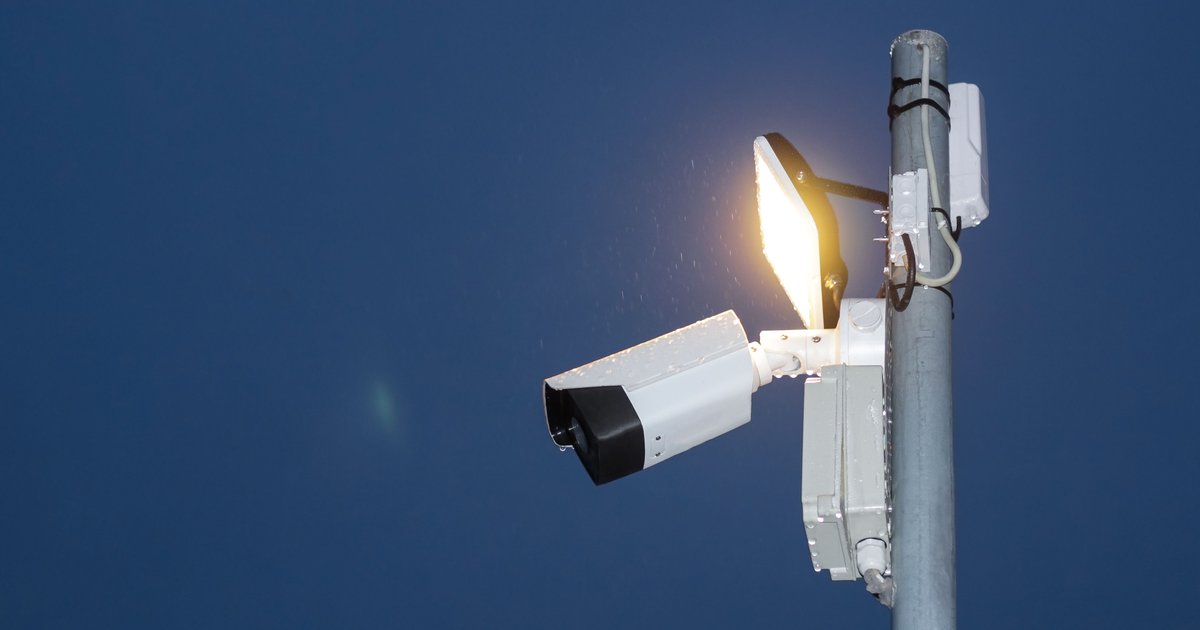
Flock Safety operates one of the largest automated license plate reader (ALPR) networks in the United States, with cameras installed by more than 5,000 law enforcement agencies and thousands of homeowner associations. Every time your vehicle passes one, the camera captures your plate, timestamps it, and logs the location. A flock camera search engine takes those scan logs — released to the public through Freedom of Information Act (FOIA) requests and open-records laws — and makes them searchable by plate number.
In practical terms, you type in a license plate and get back a list of recorded scans: the date, time, and the specific agency whose camera system logged the plate. It isn't a live feed into Flock's private law enforcement platform (that remains restricted to credentialed agencies). Instead, it's a public mirror of what agencies have already disclosed in response to records requests, giving everyday drivers the same visibility that researchers and journalists have had for years.
Why People Use a Flock Camera Lookup
The most common reason is simple curiosity mixed with privacy concern. Flock cameras capture roughly a billion vehicle images per month nationwide, and most drivers have no idea which jurisdictions are tracking them. A flock camera lookup lets you see, in black and white, whether your morning commute is being logged by three agencies or thirty.
Other users have more specific motivations. Journalists verify ALPR deployments in cities that officially deny having them. Attorneys build timelines for civil cases. Parents of new teen drivers check whether a vehicle has been scanned in neighborhoods it shouldn't be in. And people who suspect a vehicle has been following them look up the plate to see if its scan pattern overlaps with their own travel.
How the Data Gets There
Flock Safety itself doesn't publish a public database. The scan records available through a flock camera search engine come from police departments and city governments that have fulfilled FOIA or state-level public-records requests. Illinois, for example, has one of the strongest sunshine laws in the country — the Illinois Freedom of Information Act (5 ILCS 140) requires agencies to respond within five business days, and ALPR logs are generally considered public records absent an active investigation exemption.
California's equivalent, the California Public Records Act (Government Code §7920 et seq.), has produced extensive Flock datasets from cities like Vallejo and Piedmont. Each release typically arrives as a spreadsheet containing plate numbers, timestamps, camera IDs, and sometimes GPS coordinates. Transparency platforms ingest these spreadsheets, normalize them, and expose them as a per-plate lookup — which is exactly what powers the ALPR history section on every PlateQuery page.
What You'll See in a Scan History
A typical result for a frequently-driven vehicle might show dozens or hundreds of entries. Each row generally contains:
- Date and time of the scan, often accurate to the second
- Agency name — the police department, sheriff's office, or municipal entity that operates the camera
- Jurisdiction or city where the camera is installed
- Camera network identifier, which can sometimes be cross-referenced to a specific intersection
What you typically won't see: the actual photo of your vehicle, the direction of travel, or any personal information about the registered owner. Flock's imagery is held by the agencies themselves and is rarely released in bulk. The public search engine data is metadata — the fact that a scan happened, when, and by whom.
How to Run a Flock Camera Search on PlateQuery
PlateQuery includes a free ALPR lookup history section on every license plate's page, with no login required for public viewing. Here's the workflow:
- Go to PlateQuery and search for the license plate you want to look up. Include the state if you know it, since plate numbers repeat across states.
- Open that plate's dedicated page.
- Scroll to the ALPR Lookup History section. If any FOIA-sourced scans exist for that plate, they'll appear with timestamps and the recording agency.
- Review the entries. Agencies are typically named directly — for example, "Dekalb County Police Department" or "City of Cordova Police."
If no entries appear, it usually means no agency in our ingested public-records releases has logged that specific plate — not that the vehicle has never been scanned anywhere. Coverage grows as more FOIA responses are processed.
Privacy: What If It's Your Own Plate?
Here's where PlateQuery differs from a passive scraping site. If the plate you looked up is yours, you can claim it. Claiming a plate hides both the message board and the ALPR scan history from the general public, leaving them visible only to you when you're signed in.
To claim, open your plate's page on PlateQuery while signed in and click Claim Ownership. The button starts a Stripe Checkout subscription — currently about $1.99/month or $11.99/year — tied specifically to that plate. Once active, the public page still exists (so people can still leave you a message if your car is blocking a driveway), but the scan history and message contents are gated to you. It's a middle path: transparency stays the default, but owners get a privacy switch.
Frequently Asked Questions
Is a flock camera search engine legal?
Yes. The underlying scan data is lawfully obtained through public-records requests. The data belongs to the government agencies once collected, and those agencies are subject to state transparency laws. Republishing records already released under FOIA is well-established protected activity.
Can I remove my plate from the public scan history?
You can't delete the FOIA records themselves — those exist independently in agency files. What you can do on PlateQuery is claim your plate so the ALPR history is hidden from public view on your plate's page.
Does Flock Safety provide this search tool?
No. Flock Safety's own platform (sometimes called FlockOS or LPR Search) is restricted to law enforcement and vetted private users. The public search tools, including PlateQuery's, are built from independently obtained public records, not from Flock's internal systems.
Why doesn't my plate show any scans?
Three common reasons: (1) you drive mostly in areas without Flock deployments, (2) the agencies covering your area haven't yet responded to records requests that have been ingested, or (3) your state's public-records law makes ALPR data harder to obtain. Virginia, for example, exempts certain ALPR records under Code §2.2-3706.
The Practical Takeaway
A flock camera search engine turns an opaque surveillance network into something you can actually inspect. Whether you want peace of mind about your own vehicle, you're researching a plate that's been showing up in your rearview mirror, or you just want to understand which agencies are watching the roads you drive, a flock camera lookup is the fastest way to find out. Start with your own plate on PlateQuery — it takes about ten seconds — and if you'd prefer that history stay between you and the records office, claim the plate to keep it private.