Does the California DMV Offer a Public License Plate Lookup?
No. The California DMV does not provide a public-facing license plate lookup tool. Under the federal Driver's Privacy Protection Act (DPPA) and California Vehicle Code §1808.21, personal information tied to a license plate — like the owner's name, address, or contact details — is confidential and cannot be shared with the general public.
That means if you search for something like "CA DMV license plate lookup" hoping to type in a plate and get the owner's name, you won't find an official tool. However, there are still several legitimate ways to get the information you need, depending on your reason for searching.
When You Can Legally Access California Plate Information
The California DMV does release plate and vehicle record information in specific situations. You'll need to submit Form INF 70 (Request for Record Information) and demonstrate a valid reason under DPPA-approved uses, such as:
- You're involved in a court case, insurance claim, or accident with the vehicle.
- You're a licensed private investigator, attorney, or process server.
- You're a tow yard trying to locate the owner of an abandoned vehicle.
- You're a law enforcement officer or government agency employee.
- You have written consent from the vehicle owner.
Requests typically cost around $5 and can take several weeks to process. If your reason doesn't fall into one of these categories, the DMV will deny the request.
What You Can Learn From a California License Plate (Without the DMV)
Even without DMV access, a California license plate can tell you quite a bit. Here's what's publicly available or observable:
1. Plate Type and Design
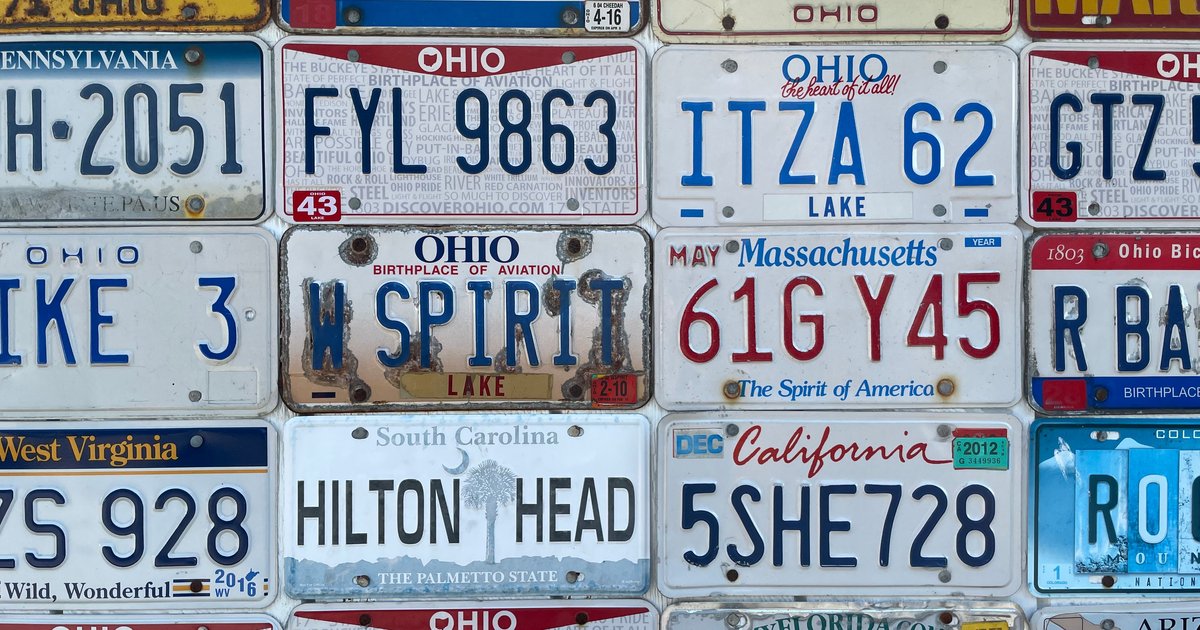
California issues standard plates, vanity plates (personalized combinations), and dozens of specialty plates that support causes like Yosemite conservation, veterans' organizations, and Lake Tahoe preservation. The design alone can tell you something about the owner's interests or affiliations.
2. Plate Format and Age
California's current 7-character format (1ABC234) started in 1980. Plates like 7A42815 follow this pattern. Older plates with three letters followed by three numbers date to earlier eras, which can help estimate when the vehicle was registered.
3. Registration Status (Sometimes)
Third-party VIN and plate lookup services can sometimes tell you whether registration is current, though they usually require the VIN rather than the plate.
You can browse examples of California plates at PlateQuery's California directory.
Common Reasons People Search for a CA License Plate
Most people running a license plate lookup fall into one of these situations:
- Illegal parking: Someone blocked your driveway or parked in a handicap spot.
- Hit-and-run or bad driver reports: You witnessed reckless driving and want to warn the owner or report it.
- Abandoned vehicles: A car has been sitting on your street for weeks.
- Reconnecting: You want to return a lost item or leave a compliment.
- Buying a used car: You want to verify the seller's plate matches the vehicle.
For most of these, you don't actually need the owner's name — you just need a way to contact the vehicle owner.
How to Contact a California Vehicle Owner Without the DMV
If you don't have a legal basis for a DMV record request, your best option is a communication platform that lets you leave a message tied to the plate. The owner is notified when they check or claim their plate — you never see their personal information, and they never see yours unless they choose to respond.
This approach works well for:
- Leaving a note about a parking issue without confrontation.
- Reporting dangerous driving in a documented way.
- Alerting an owner that their lights are on, their tire is flat, or their car may have been hit.
- Flagging a possibly abandoned vehicle.
California License Plate Laws to Know
A few quick license plate laws worth knowing in California:
- Both front and rear plates are required on most vehicles (CVC §5200).
- Plates must be clearly visible and unobstructed — no tinted covers.
- Vanity plates cannot contain profanity, references to drugs, or offensive language, per DMV review.
- Driving without valid plates or with expired registration can result in fines and towing.
Frequently Asked Questions
Can I look up a California license plate for free?
You can research plate format, type, and design for free, but the owner's personal information is not publicly available.
Is it illegal to look up someone's license plate in California?
No, but obtaining personal information tied to that plate without a DPPA-approved reason is illegal.
How do I report an abandoned vehicle in California?
Contact your local police non-emergency line or city parking enforcement. Provide the plate number, location, and how long it's been there.
Can the DMV tell me who hit my parked car?
Yes, if you file a police report and submit Form INF 70 with the report number, the DMV can release the owner's information for insurance purposes.
The Practical Takeaway
A traditional CA DMV license plate lookup won't give you an owner's name or address — and that's by design. But if your real goal is to get a message to a vehicle owner, you don't need their private information at all. PlateQuery lets you leave a message, report a parking issue, or flag a bad driver tied to any California plate. The owner is notified privately, and both sides stay anonymous unless they choose otherwise — a faster, safer alternative to chasing down DMV paperwork.