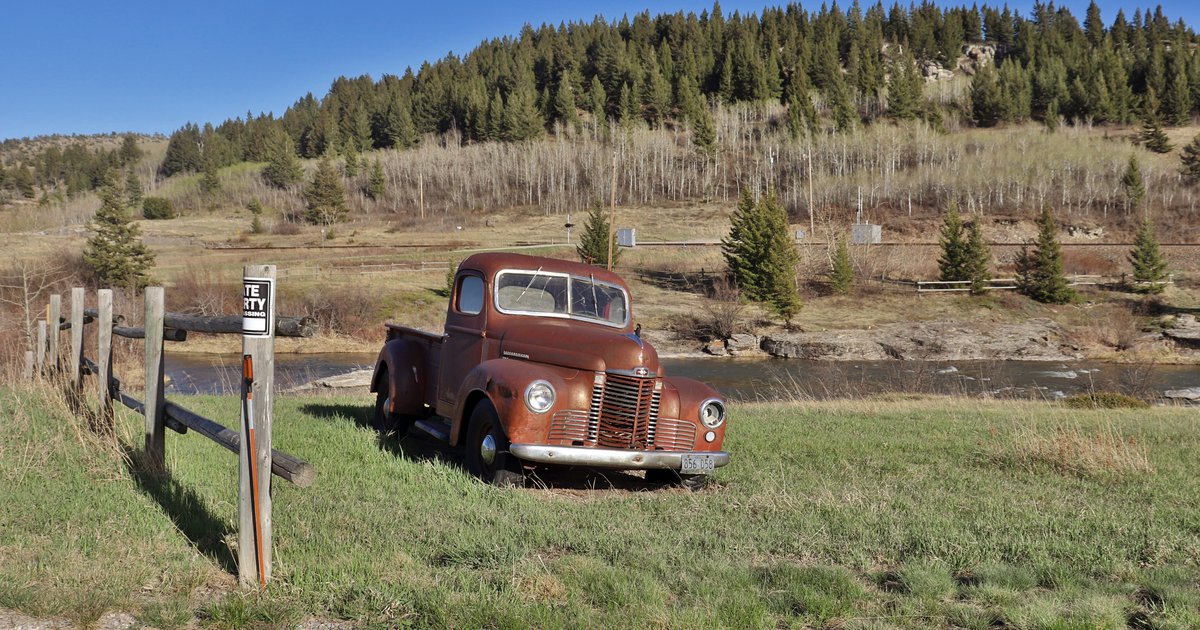
What Counts as an Abandoned Vehicle?
An abandoned vehicle is typically defined as a car, truck, trailer, or RV left on a property without the owner's permission for a specific period of time — often 48 to 72 hours, depending on the state. Other common indicators include expired registration, flat tires, broken windows, missing license plates, or visible damage that suggests the car hasn't been driven in weeks.
If the vehicle is on your driveway, parking lot, apartment complex, or private land — and you didn't authorize it — you may have a legal abandoned vehicle situation on your hands.
Step 1: Document Everything Before You Act
Before contacting anyone, gather evidence. This protects you legally and speeds up removal later.
- Take date-stamped photos from multiple angles.
- Write down the license plate number, VIN (visible through the windshield), make, model, and color.
- Note the exact location and the date you first noticed the vehicle.
- Record signs of abandonment — flat tires, debris on the windshield, expired tags.
For example, if a sedan with California plates has been sitting in your apartment complex's visitor parking for five days with two flat tires, document that timeline carefully. You'll need it if you escalate.
Step 2: Try to Contact the Vehicle Owner
Many "abandoned" vehicles aren't truly abandoned — sometimes the owner is traveling, in the hospital, or simply unaware their car is causing an issue. A polite note on the windshield is a reasonable first step.
If there's no response, a license plate lookup can help you reach the owner before involving authorities. Platforms like PlateQuery let you contact a vehicle owner through their plate without exposing personal information. A short, respectful message often resolves the situation within a day or two — without towing fees, paperwork, or police reports.
Step 3: Know Your State's Abandoned Vehicle Laws
Every state handles an abandoned vehicle on private property differently. Here are a few examples:
- California: Property owners can request removal through a licensed tow operator after the vehicle has been on the property for 24 hours, provided notice requirements are met. The tow company then notifies the DMV. You can look up California plates here.
- Texas: Under the Texas Abandoned Motor Vehicle Act, vehicles left on private property for more than 48 hours without consent can be reported to local law enforcement or removed by a licensed vehicle storage facility.
- Florida: Property owners must post notice and notify the sheriff before towing. The vehicle owner must be sent certified mail.
- New York: A vehicle left for more than 96 hours on private property without permission may be considered abandoned, but towing must be done through a licensed operator.
Always check your local municipal code — cities often add their own rules on top of state license plate laws and towing regulations.
Step 4: Contact Local Authorities or a Licensed Towing Company
If the owner doesn't respond and the vehicle clearly meets your state's abandonment criteria, your next call is either:
- Non-emergency police line — they can run the plate, check for theft reports, and document the vehicle officially.
- A licensed tow operator — in most states, only authorized companies can legally remove a vehicle from private property.
Never tow the vehicle yourself or damage it. Doing so could expose you to liability, even if the car is clearly abandoned.
What If the Vehicle Is Blocking Access?
If the abandoned car is blocking a driveway, fire lane, or accessible parking spot, it crosses into illegal parking territory and can typically be towed faster. Apartment managers and HOA boards usually have standing agreements with tow companies for exactly this scenario.
Frequently Asked Questions
Can I keep an abandoned vehicle left on my property?
Not without going through a legal title transfer process. Even if a car has been on your land for months, you must file paperwork with your state DMV — often after a tow operator completes a lien sale.
How long before a vehicle is legally abandoned?
It varies by state, but 48 to 72 hours is common on private property. Public roadways often have shorter timelines.
What if the plates are expired or missing?
Use the VIN through the windshield. Law enforcement can trace ownership even without plates, and a tow operator can initiate the abandoned vehicle process based on VIN.
The Easiest First Step
Before you deal with tow companies, police reports, or DMV paperwork, try reaching the owner directly. Most situations end quickly when the driver simply doesn't know there's a problem. PlateQuery lets you leave a message tied to a license plate, report parking issues, or research a vehicle — so you can resolve the situation without escalation when possible, and document it clearly when escalation is necessary.