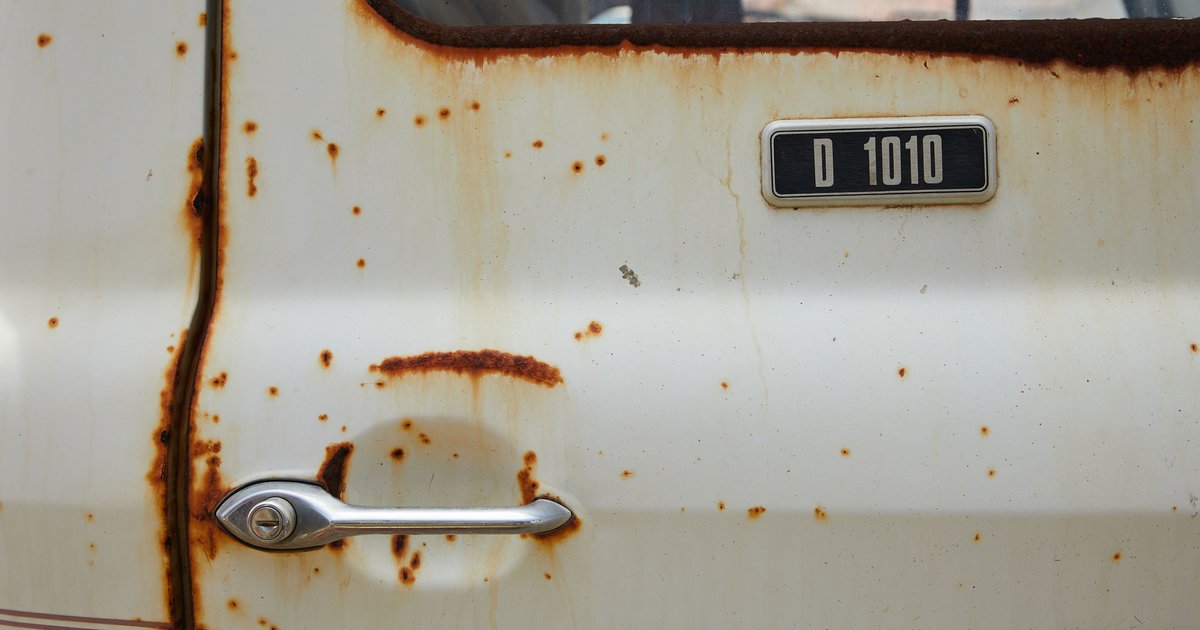
What Counts as an Abandoned Vehicle?
Before taking action, make sure the car actually qualifies as abandoned. Most states define an abandoned vehicle as one left on private or public property without the owner's permission for a specific period of time, often 48 to 72 hours. Common signs include:
- Flat tires, broken windows, or heavy dust buildup
- Expired registration or missing license plates
- No response from anyone claiming ownership
- Visible damage suggesting it was dumped
If the vehicle still has plates, jot down the plate number and state. That single piece of information is the fastest path to identifying who left it there.
Step 1: Try to Contact the Vehicle Owner First
Before involving authorities, it's often faster (and cheaper) to reach out to the owner directly. They may have parked there temporarily due to a breakdown, medical issue, or misunderstanding.
You can use a service like PlateQuery to leave a message tied to the license plate. For example, if you spot a California plate like 7A42815, you can post a note asking the owner to move the vehicle. Many owners respond quickly once they know their car is causing a problem.
This approach also creates a paper trail showing you made a good-faith effort to resolve the issue before escalating.
Step 2: Document Everything
If the vehicle isn't moved within a reasonable timeframe, start documenting:
- Photos of the vehicle from multiple angles
- Close-ups of the license plate, VIN (visible through the windshield), and expiration tags
- Timestamps showing how long the car has been there
- Any communication attempts you've made
Documentation matters because towing companies, police, and courts will ask for proof before removing a vehicle from private property.
Step 3: Contact Local Authorities
Rules vary by state, but generally you'll contact one of these:
- Local police non-emergency line — for vehicles that may be stolen, involved in a crime, or blocking access
- City or county code enforcement — for long-term abandonment on residential property
- State DMV — some states, like California and Texas, have specific abandoned vehicle reporting processes
State-Specific Examples
California: Property owners can request removal through the local police or CHP using a CHP 180 form. Vehicles left over 72 hours on private property may be towed at the owner's expense.
Texas: Under the Texas Abandoned Motor Vehicle Act, a car left on private property for more than 48 hours can be reported to law enforcement for removal.
Florida: Property owners can have vehicles towed after posting notice, but must follow strict notification rules under Florida Statute 715.07.
New York: Report to the local police; abandoned vehicles are handled by the NYPD or county sheriff depending on location.
Step 4: Arrange a Legal Tow
If authorities give you the green light — or if your state allows private property tows without police involvement — call a licensed towing company. Never tow a vehicle yourself. Doing so can expose you to civil liability if the "abandoned" car turns out to belong to a guest, tenant, or someone with a legitimate reason to be there.
Most tow companies will require:
- Proof you own or manage the property
- Photos and documentation
- A signed authorization form
What Not to Do
- Don't damage the vehicle. Even if it's clearly abandoned, tampering can lead to vandalism charges.
- Don't remove the license plates. That's a violation of license plate laws in most states.
- Don't sell or scrap it yourself unless you've legally obtained title through your state's abandoned vehicle process.
Frequently Asked Questions
How long before a vehicle is legally considered abandoned?
It depends on the state, but 48 to 72 hours on private property is a common threshold. Check with your local municipality for exact timeframes.
Can I claim ownership of an abandoned vehicle?
Yes, but only through a formal process. Most states require you to file paperwork with the DMV, notify the last known owner, and wait a set period before receiving title.
What if the vehicle has no license plate?
Look for a VIN through the windshield. Report it to police — a plate-less vehicle may be stolen or intentionally dumped.
Who pays for the tow?
Usually the registered owner. If they can't be found, the property owner may be responsible unless the vehicle is sold at auction to cover costs.
How PlateQuery Can Help
Before you spend hours on hold with police or code enforcement, try reaching the owner first. With PlateQuery, you can look up a plate and leave a message tied directly to the vehicle — no personal contact information needed. Many abandoned vehicle situations are resolved within 24 hours simply because the owner didn't realize their car was causing a problem. Start with a license plate lookup and give the owner a chance to respond before escalating.